
Digital Entry Lock for Smart Buildings: Intelligent Access Control for Modern Architecture
2026-05-29


Digital entry lock for smart buildings is an advanced access control system designed to provide secure, efficient, and intelligent entry management for residential, commercial, and institutional buildings. As urban development continues to integrate smart technologies, traditional mechanical locks are being replaced by digital entry systems that offer enhanced security, centralized control, and seamless user experience. These systems are a key component of modern smart building infrastructure, supporting safety, convenience, and digital transformation in property management.
At its core, a digital entry lock is an electronically controlled locking mechanism that allows authorized users to access a building or specific areas without using traditional physical keys. Instead, access is granted through digital authentication methods such as PIN codes, RFID cards, biometric recognition (fingerprint or facial recognition), or mobile applications. Some advanced systems also support Bluetooth, NFC, and cloud-based remote access, enabling flexible and intelligent entry management.
One of the primary advantages of digital entry locks for smart buildings is enhanced security. Unlike traditional keys that can be lost, copied, or stolen, digital credentials can be easily managed, modified, or revoked. This significantly reduces the risk of unauthorized access. Many systems also include encryption technology to protect digital communication and prevent hacking attempts. Anti-tamper alarms and real-time intrusion detection further strengthen security performance.
Another key benefit is centralized access management. In smart buildings such as apartment complexes, office towers, hotels, and mixed-use developments, property managers can control all entry points through a centralized platform. This allows administrators to assign access permissions, monitor entry logs, and manage users efficiently. Temporary access codes can be issued for visitors, maintenance staff, or delivery personnel, improving operational flexibility while maintaining security control.
Digital entry locks also improve convenience for users. Residents and employees no longer need to carry multiple physical keys. Instead, they can use smartphones, ID cards, or biometric data for quick and easy access. Mobile integration allows users to remotely unlock doors, check access history, and receive real-time notifications when someone enters or exits. This level of control enhances both security awareness and user experience.
In addition to security and convenience, digital entry locks contribute to the overall efficiency of smart building systems. They can be integrated with other building technologies such as elevators, surveillance systems, fire alarms, and energy management systems. For example, access control systems can automatically trigger elevator floor permissions or activate lighting and HVAC systems when a user enters a specific area, creating a fully connected smart environment.
Digital entry locks are widely used in various types of smart buildings, including residential apartments, commercial office buildings, hotels, hospitals, educational institutions, and industrial facilities. In residential environments, they provide homeowners with greater control over personal security. In commercial settings, they help organizations manage employee access and protect sensitive areas. In hospitality, they streamline guest check-in and improve operational efficiency.
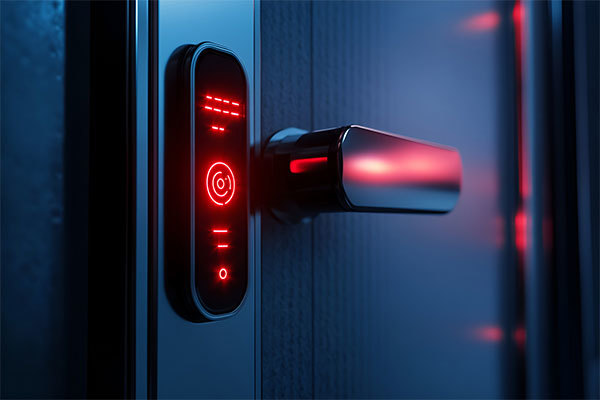
The design of digital entry locks is also evolving to match modern architectural aesthetics. Sleek, minimalist designs with touch panels, hidden sensors, and durable materials ensure that these systems blend seamlessly into contemporary building structures. Manufacturers focus on both functionality and appearance to meet the expectations of high-end smart building projects.
From a technical perspective, digital entry locks undergo strict quality control and testing procedures. These include mechanical durability testing, electronic stability testing, environmental resistance testing, and long-term operational cycle testing. Such tests ensure that the systems perform reliably under different conditions such as temperature variations, humidity, and continuous usage. Compliance with international security and electronic standards is essential for global deployment.
Power management is another important aspect of digital entry lock systems. Most devices are battery-powered with low-energy consumption designs, ensuring long-term operation without frequent maintenance. Many systems include low-battery alerts and emergency power interfaces such as USB backup ports or mechanical key overrides for emergency situations.
As smart building technology continues to evolve, digital entry locks are becoming increasingly intelligent. Integration with artificial intelligence, IoT platforms, and cloud-based management systems allows predictive maintenance, behavioral analysis, and advanced security monitoring. These innovations are transforming traditional access control into a dynamic and data-driven security ecosystem.
In conclusion, digital entry lock for smart buildings represents a fundamental component of modern intelligent infrastructure. It combines advanced security technology, digital convenience, and centralized management to deliver a safe, efficient, and user-friendly access control solution. As smart cities and intelligent buildings continue to expand, digital entry systems will play an increasingly important role in shaping the future of urban living and building management.
Related News

Lockai Obtains Official UL 294 Certification for Commercial Hotel Smart Lock Systems

Follow Lockai Lock Industry

Mobile Official Website
Lockai Lock Industry

Address: Building 10, Room 603, Optoelectronics Industrial Park, Leliu Street, Shunde District, Foshan City, Guangdong Province
Technical Support:China Enterprise Dynamics Shunde SEO Tags