
Smart Electronic Deadbolt for Home: Advanced Keyless Security Solution for Modern Living
2026-05-29


Smart electronic deadbolt for home is an advanced residential security system designed to provide enhanced protection, convenience, and intelligent access control for modern households. As home security technology continues to evolve, traditional mechanical locks are increasingly being replaced by smart electronic locking systems that offer keyless entry, remote management, and multi-layer authentication. The smart electronic deadbolt combines robust mechanical structure with digital intelligence, making it one of the most reliable and user-friendly home security solutions available today.
At its core, a smart electronic deadbolt functions as a reinforced locking mechanism that secures the door using an electronically controlled bolt. Unlike conventional locks that rely solely on physical keys, this system allows users to unlock doors through multiple access methods such as PIN codes, fingerprint recognition, RFID cards, mobile applications, Bluetooth, or Wi-Fi connectivity. This flexibility significantly improves convenience while maintaining a high level of security.
One of the key advantages of a smart electronic deadbolt for home is keyless entry. Homeowners no longer need to carry physical keys, reducing the risk of lost, stolen, or duplicated keys. Instead, access can be granted through personalized digital credentials. Many systems also allow temporary access codes, which are especially useful for guests, housekeepers, or delivery personnel. These codes can be time-limited or single-use, ensuring controlled and secure access to the home.
Security is the primary focus of smart electronic deadbolt design. These locks are typically constructed from high-strength materials such as stainless steel, zinc alloy, or reinforced metal components to resist physical attacks such as drilling, prying, or forced entry. In addition to mechanical strength, the electronic system is equipped with encryption technology to prevent hacking or unauthorized digital access. Many models also include anti-tamper alarms that trigger alerts in case of suspicious activity or forced manipulation.
Modern smart electronic deadbolts often integrate with smart home ecosystems. Through mobile applications, users can remotely lock or unlock doors, monitor access history, and receive real-time notifications. This connectivity allows homeowners to manage security even when they are away from home, providing peace of mind and greater control over property access. Integration with voice assistants such as Alexa, Google Assistant, or Apple HomeKit further enhances usability and automation.
Installation of smart electronic deadbolts is generally designed to be simple and compatible with most standard residential doors. Many models are retrofit-friendly, meaning they can replace traditional deadbolts without requiring major modifications to existing door structures. This makes them a practical upgrade option for homeowners seeking to improve security without extensive renovation.
Battery-powered operation is commonly used in smart electronic deadbolts, ensuring continued functionality even during power outages. Low-power consumption technology allows long battery life, and most systems provide low-battery alerts to prevent unexpected lockouts. Some advanced models also include emergency power interfaces, such as USB backup ports, for additional reliability.
User management is another important feature of smart electronic deadbolt systems. Homeowners can create multiple user profiles with different access permissions, making it ideal for families or shared living spaces. Activity logs provide detailed records of entry and exit times, improving transparency and security awareness. This feature is particularly useful for monitoring children, service staff, or rental properties.
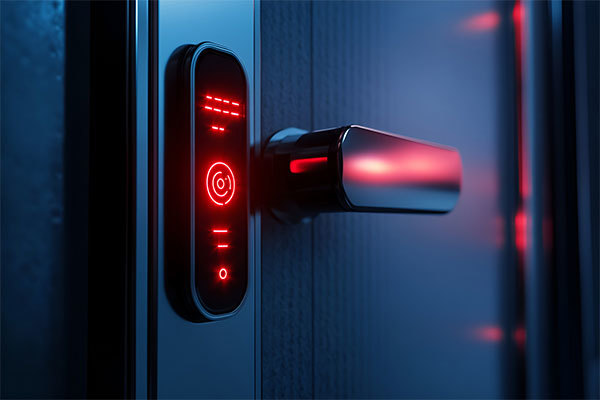
In terms of design, smart electronic deadbolts are built with modern aesthetics in mind. Sleek and minimalistic appearances allow them to blend seamlessly with various interior and exterior door styles. Touchscreen keypads, hidden fingerprint sensors, and compact lock bodies contribute to a clean and sophisticated look that complements contemporary home design.
Quality control and safety standards are critical in the manufacturing of smart electronic deadbolts. Each unit undergoes rigorous testing, including durability testing, environmental resistance testing, electronic stability testing, and long-term cycle testing. These procedures ensure that the product performs reliably under different weather conditions and extended usage scenarios. Compliance with international security and electronic standards ensures global market suitability.
Smart electronic deadbolts are widely used in residential homes, apartments, villas, rental properties, and smart housing developments. They are especially popular in modern urban living environments where convenience, safety, and digital integration are highly valued. As smart home technology continues to expand, electronic deadbolts are becoming a central component of integrated home security systems.
In conclusion, smart electronic deadbolt for home represents the future of residential security. By combining strong mechanical protection with advanced digital technology, it delivers enhanced safety, convenience, and intelligent access control. It not only improves home security but also transforms the way people interact with their living spaces, offering a smarter, safer, and more connected lifestyle.
Related News

Lockai Obtains Official UL 294 Certification for Commercial Hotel Smart Lock Systems

Follow Lockai Lock Industry

Mobile Official Website
Lockai Lock Industry

Address: Building 10, Room 603, Optoelectronics Industrial Park, Leliu Street, Shunde District, Foshan City, Guangdong Province
Technical Support:China Enterprise Dynamics Shunde SEO Tags