
Best Practices for Installing Hotel Locks: Ensuring Safety and Security
2026-04-13


Best Practices for Installing Hotel Locks: Ensuring Safety and Security
In the hospitality industry, the security of guests and their belongings is paramount. As hotel owners or managers, we understand that the installation of hotel locks is a critical component of this security. In this article, we will delve into **best practices for installing hotel locks**, exploring essential considerations,
Best Practices for Installing Hotel Locks: Ensuring Safety and Security
In the hospitality industry, the security of guests and their belongings is paramount. As hotel owners or managers, we understand that the installation of hotel locks is a critical component of this security. In this article, we will delve into **best practices for installing hotel locks**, exploring essential considerations, techniques, and types of locks that can ensure the safety of your establishment.
Table of Contents
1. Understanding the Importance of Hotel Lock Systems
2. Types of Locks Suitable for Hotels
2.1 Electronic Keycard Locks
2.2 Deadbolt Locks
2.3 Smart Locks
3. Factors to Consider Before Installation
3.1 Guest Experience
3.2 Budget Constraints
3.3 Lock Maintenance
4. Step-by-Step Guide to Installing Hotel Locks
4.1 Tools and Materials Needed
4.2 Preparing the Door
4.3 Installing the Lock
5. Common Mistakes to Avoid During Installation
6. Ensuring Proper Maintenance of Hotel Locks
7. Frequently Asked Questions (FAQs)
8. Conclusion
1. Understanding the Importance of Hotel Lock Systems
The safety of your guests starts with secure locking mechanisms. Installing effective hotel locks not only protects guests but also safeguards valuable property within the hotel. A robust locking system can minimize the risk of theft and unauthorized access, ultimately enhancing the reputation of your hotel. When guests feel safe, they are more likely to return and recommend your establishment to others.
2. Types of Locks Suitable for Hotels
When selecting hotel locks, it is crucial to consider the specific needs of your hotel. Various types of locks offer different levels of security and convenience.
2.1 Electronic Keycard Locks
Electronic keycard locks are increasingly popular in modern hotels. They offer convenience and enhanced security, as guests can easily access their rooms with a card instead of a traditional key. These locks often come with additional features such as programmable access controls and audit trails, allowing hotel staff to track who enters each room.
2.2 Deadbolt Locks
Deadbolt locks provide an extra layer of security, especially when combined with another locking mechanism. They are typically used in conjunction with a knob or lever handle lock. For hotel installations, ensure the deadbolt extends deep into the door frame for maximum strength and resistance against forced entry.
2.3 Smart Locks
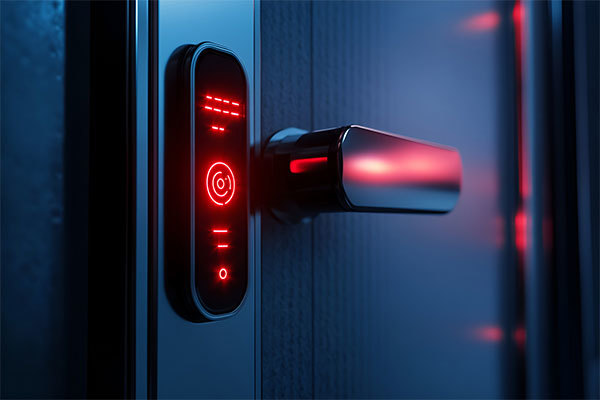
Smart locks represent the cutting edge of hotel security. They can be controlled via smartphones and allow for remote locking and unlocking. For hotels keen on providing high-tech experiences, these locks can enhance guest satisfaction while maintaining robust security measures.
3. Factors to Consider Before Installation
Before initiating the installation process, several factors should be evaluated to ensure a successful outcome.
3.1 Guest Experience
Consider the user experience when selecting lock types. Locks that are easy to operate while still providing security will improve guest satisfaction. Ensure that your chosen locks are intuitive and do not require extensive instructions for use.
3.2 Budget Constraints
While investing in high-quality locks is essential, budget constraints may impact your choices. Compare the initial costs of different lock systems with their long-term benefits, such as maintenance and durability.
3.3 Lock Maintenance
Choose locks that require minimal maintenance. Regular upkeep, including lubricating locks and replacing batteries for electronic systems, will ensure optimal performance and longevity.
4. Step-by-Step Guide to Installing Hotel Locks
Proper installation of hotel locks is crucial for functionality and security. Below is a comprehensive guide outlining the necessary steps.
4.1 Tools and Materials Needed
Before commencing, gather the following tools and materials:
- Electric drill
- Screwdrivers (flathead and Phillips)
- Measuring tape
- Level
- Chisel
- Wood glue
- Safety goggles and gloves
4.2 Preparing the Door
Before installing the lock, ensure the door is in good condition. Check for any damages that may affect the lock's functionality. Measure and mark the location for the lock according to manufacturers’ specifications.
4.3 Installing the Lock
1. **Drill Holes**: Use an electric drill to create holes for both the lock and the deadbolt, following the measurements marked earlier.
2. **Chisel the Edge**: If installing a deadbolt, chisel the door edge to accommodate the lock cylinder.
3. **Insert the Lock**: Place the locking mechanism into the door and secure it with screws.
4. **Test the Lock**: Once installed, test the lock to ensure it operates smoothly. Make adjustments if needed.
5. Common Mistakes to Avoid During Installation
Even the most experienced installers can make mistakes. Avoid these common pitfalls:
- **Ignoring Manufacturer Instructions**: Always follow the guidelines provided by the lock manufacturer.
- **Improper Measurements**: Incorrect measurements can lead to misalignment, compromising the lock's security.
- **Neglecting Security Features**: Ensure all security features are enabled and functioning during installation.
6. Ensuring Proper Maintenance of Hotel Locks
Maintaining hotel locks is essential for long-term usage. Implement a scheduled maintenance routine that includes:
- **Regular Inspections**: Check all locks periodically for signs of wear or damage.
- **Lubrication**: Use lock lubricant to keep mechanisms functioning smoothly.
- **Battery Replacement**: For electronic locks, regularly check battery levels and replace them as needed.
7. Frequently Asked Questions (FAQs)
Q1: What types of hotel locks provide the best security?
A1: Electronic keycard locks and smart locks are generally considered the most secure due to their advanced technology and access control features.
Q2: How often should hotel locks be maintained?
A2: It is advisable to inspect and maintain hotel locks at least twice a year, or more frequently based on guest usage.
Q3: Can we install hotel locks ourselves, or should we hire a professional?
A3: While some hotel owners may choose to install locks themselves, hiring a professional locksmith is recommended for optimal security and compliance with safety standards.
Q4: What should I do if a guest reports a malfunctioning lock?
A4: Respond promptly by inspecting the lock and ensuring it is repaired or replaced as necessary to maintain guest safety.
Q5: Are there smart locks that work without Wi-Fi?
A5: Yes, many smart locks operate through Bluetooth technology and do not require a Wi-Fi connection for basic functionality.
8. Conclusion
Installing hotel locks is a critical investment in the safety and security of your establishment. By following best practices and considering various factors such as guest experience and maintenance, you can ensure that your locks provide maximum protection. With the right approach, you’ll enhance guest satisfaction and safeguard your property, creating a secure environment that guests will appreciate. Ultimately, prioritizing hotel lock installation and maintenance can lead to long-term success in the hospitality industry.
Related News

Lockai Obtains Official UL 294 Certification for Commercial Hotel Smart Lock Systems
Foshan Lockai professional hotel smart lock factory gains UL 294 certification. Our UL-certified hotel door locks meet North America commercial building safety codes, ideal for hotel, apartment and resort projects. Full OEM/ODM & one-stop hotel lock system solutions available.


Follow Lockai Lock Industry

Mobile Official Website
Lockai Lock Industry

Address: Building 10, Room 603, Optoelectronics Industrial Park, Leliu Street, Shunde District, Foshan City, Guangdong Province
Technical Support:China Enterprise Dynamics Shunde SEO Tags