
Safety First: Protecting Your Home with Digital Locks on Metal Doors
2026-04-06


Safety First: Protecting Your Home with Digital Locks on Metal Doors
In today's rapidly evolving world, ensuring your home is secure has never been more critical. With crime rates fluctuating and new technologies emerging, homeowners are increasingly looking for advanced solutions to protect their properties. One such solution gaining popularity is the use of digital locks on metal doors. This article will delve into the myriad benefits of digital locks, how they enhance security, installation tips, and maintenance advice to ensure your digital lock remains effective over time.
Understanding Digital Locks: A Modern Security Solution
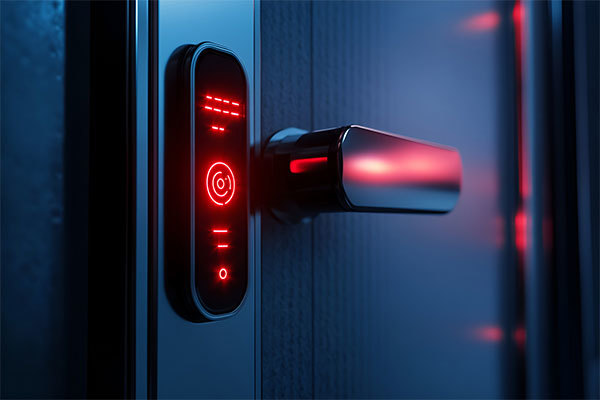
Digital locks are sophisticated locking mechanisms that rely on electronic components rather than traditional keys. They offer various methods for access, including keypads, biometric scanners, and smartphone integration. This technological progression is transforming the way homeowners secure their properties.
The Advantages of Digital Locks Over Traditional Locking Systems
While traditional locks have served us well for years, digital locks provide several notable advantages:
- Enhanced Security: Digital locks often come with advanced features such as tamper alerts and automatic locking mechanisms, which significantly decrease the likelihood of unauthorized access.
- Convenience: No more fumbling for keys! With digital locks, homeowners can easily enter their homes using codes or mobile devices.
- Access Control: Many digital locks allow users to create temporary access codes for guests, service personnel, or delivery drivers, adding an extra layer of flexibility and security.
- Audit Trails: Some models offer logs of entry and exit, allowing homeowners to track who accessed their home and when.
Why Metal Doors Pair Perfectly with Digital Locks
Metal doors inherently provide superior security compared to wooden doors. When combined with digital locks, they offer a formidable barrier against potential intruders. Metal doors are:
- Durable: They resist warping, cracking, and other forms of physical damage.
- Fire-Resistant: Metal doors can withstand higher temperatures than wood, offering additional protection in case of fire.
- Impact-Resistant: They are less likely to be breached with forced entry tools.
Choosing the Right Digital Lock for Your Metal Door
With numerous options available, selecting the appropriate digital lock can be overwhelming. To make an informed decision, consider the following factors:
1. Lock Type: Keypad vs. Biometric vs. Smartphone
Each type of lock offers different benefits:
- Keypad Locks: These are popular for their simplicity. Homeowners can set their codes without needing a smartphone.
- Biometric Locks: Utilizing fingerprint recognition, these locks provide maximum security, ensuring that only authorized users can gain access.
- Smartphone-Enabled Locks: These locks can connect to your smartphone via Bluetooth or Wi-Fi, allowing for remote access control and monitoring.
2. Security Features to Look For
When evaluating digital locks, check for:
- Anti-Tamper Alerts: These notifications will alert you if someone attempts to tamper with the lock.
- Backup Key Option: In case of battery failure, having a traditional key option can provide peace of mind.
- Weather Resistance: Ensure the lock is designed to withstand outdoor elements, especially if installed on exterior doors.
3. Installation Considerations
Digital locks often require specific installation steps to ensure they function correctly:
- Compatibility: Verify that the lock is compatible with your metal door. Some locks may require modifications.
- Professional Installation: Unless you're comfortable with DIY projects, hiring a professional locksmith can ensure proper installation.
Installation of Digital Locks: Step-by-Step Guide
Installing a digital lock on a metal door may seem daunting, but with the right guidance, it can be quite manageable. Follow these steps for a successful installation:
Step 1: Gather Your Tools
Ensure you have the following tools before starting:
- Power drill
- Screwdriver
- Measuring tape
- Pencil
- Level
Step 2: Remove the Existing Lock
Carefully remove the current lock from your metal door. This may involve unscrewing screws or using a power drill to detach hardware.
Step 3: Prepare the Door
Measure and mark the areas where the new lock will be installed. Use your level to ensure everything is straight.
Step 4: Install the Digital Lock
Follow the manufacturer's instructions for mounting the lock. Secure the lock in place, ensuring it operates smoothly.
Step 5: Program the Lock
Once installed, program your lock according to the manufacturer's guidelines. Test the lock multiple times to ensure functionality.
Maintaining Your Digital Locks: Tips for Longevity
To maximize the lifespan and effectiveness of your digital locks, regular maintenance is essential:
1. Regularly Replace Batteries
Most digital locks operate on batteries. To prevent unexpected lockouts, replace batteries at least once a year or as indicated by low battery alerts.
2. Keep Locks Clean
Dust and debris can interfere with the functionality of the locking mechanism. Clean your locks regularly with a dry microfiber cloth.
3. Update Access Codes Periodically
For security purposes, it’s wise to change access codes every few months or whenever someone who knows the code no longer needs access.
4. Monitor for Malfunctions
Be vigilant for any unusual sounds or performance issues. Addressing these problems early can prevent more extensive repairs later.
Addressing Common Concerns About Digital Locks
As with any security feature, homeowners often have concerns about digital locks. Here are some commonly asked questions:
1. Are digital locks safe from hacking?
While digital locks can be vulnerable to cyber attacks, reputable manufacturers implement encryption and other security measures to protect against these risks. Choose a lock from a trusted brand with robust security features.
2. What happens during a power outage?
Most digital locks have backup systems in place, such as battery power. However, it’s advisable to check the specific lock’s features to understand its operation during outages.
3. Can I install a digital lock myself?
While some homeowners may find installation straightforward, hiring a professional locksmith is recommended for best results and to avoid potential damage to your door.
4. Do digital locks work in extreme weather conditions?
Many digital locks are designed to withstand various weather conditions. However, always check the manufacturer's specifications to ensure you select a weather-resistant model.
5. How do I troubleshoot a malfunctioning digital lock?
If your digital lock is malfunctioning, consult the user manual for troubleshooting tips. Common issues often relate to low battery or misalignment that can be adjusted easily.
Conclusion
Embracing the technology of digital locks for your metal doors is a proactive step towards enhancing your home’s security. The benefits they offer, from convenience to advanced security features, make them an excellent choice for modern homeowners. By understanding how to select, install, and maintain these locks, you can ensure that your home remains safe and secure. Investing in digital locks not only protects your property but also provides peace of mind, knowing that you are safeguarding your loved ones in today’s uncertain world.
Related News

Lockai Obtains Official UL 294 Certification for Commercial Hotel Smart Lock Systems

Follow Lockai Lock Industry

Mobile Official Website
Lockai Lock Industry

Address: Building 10, Room 603, Optoelectronics Industrial Park, Leliu Street, Shunde District, Foshan City, Guangdong Province
Technical Support:China Enterprise Dynamics Shunde SEO Tags