
The Evolution of Home Security: From Traditional Locks to Smart Electronic Deadbolts
2026-01-07


The Evolution of Home Security: From Traditional Locks to Smart Electronic Deadbolts
Table of Contents
Introduction to Home Security Evolution
A Brief History of Locks and Home Security
Types of Traditional Locks: Understanding the Basics
Limitations of Traditional Locks in Modern Security
The Rise of Smart Lock Technology
Benefits of Smart Electronic Deadbol
The Evolution of Home Security: From Traditional Locks to Smart Electronic Deadbolts
Table of Contents
- Introduction to Home Security Evolution
- A Brief History of Locks and Home Security
- Types of Traditional Locks: Understanding the Basics
- Limitations of Traditional Locks in Modern Security
- The Rise of Smart Lock Technology
- Benefits of Smart Electronic Deadbolts
- Choosing the Right Smart Lock for Your Home
- The Future of Home Security Systems
- Frequently Asked Questions
- Conclusion
Introduction to Home Security Evolution
In an age where **home security** is more crucial than ever, understanding the evolution of security systems helps homeowners make informed decisions. Traditionally, locks served as the first line of defense against intruders, but advancements in technology have led to the development of smart electronic deadbolts. This article explores how home security has transformed over the years, highlighting the advantages of modern security solutions and what homeowners should consider when upgrading their security systems.
A Brief History of Locks and Home Security
Locks have been around for thousands of years, evolving from simple wooden devices to the complex mechanisms we use today.
Early Beginnings of Lock Design
The earliest known locks date back to ancient Egypt, made from wood and requiring a key to unlock. These locks were rudimentary but effective for their time. As civilizations advanced, so too did the complexity of locks. The Romans improved lock design by incorporating metal, which provided more durability and security.
Advancements in the Industrial Revolution
The Industrial Revolution brought about significant innovations in lock manufacturing. Mass production allowed for the creation of more intricate locking mechanisms, such as the **pin tumbler lock**, which is still widely used today. This period marked a shift toward more secure and reliable home security solutions, setting the stage for the modern locking systems we rely on.
Types of Traditional Locks: Understanding the Basics
Traditional locks can be categorized into several types, each offering different levels of security.
Deadbolts
Deadbolts are known for their strength and reliability. They require a key to unlock from the outside and can only be locked or unlocked by turning the knob from the inside. This simple mechanism provides a solid defense against forced entry.
Knob Locks
Knob locks are commonly found on interior doors. While they are easier to install and more affordable, they offer less security compared to deadbolts, as they can be easily compromised.
Lever Handle Locks
Lever handle locks are often used in commercial settings but can also be found in residential homes. They are user-friendly and provide moderate security, making them a popular choice for interior doors.
Limitations of Traditional Locks in Modern Security
Despite their historical reliability, traditional locks have several limitations that can compromise home security.
Vulnerability to Picking and Bumping
Traditional locks can be susceptible to techniques such as lock picking and bumping. Intruders often have the tools and skills necessary to gain access through these methods, highlighting the need for enhanced security.
Convenience and Accessibility Issues
Traditional locks can pose challenges for homeowners, such as lost keys or the need for multiple keys for different locks. This inconvenience can lead to frustration and potential security risks if keys fall into the wrong hands.
The Rise of Smart Lock Technology
The advent of smart technology has revolutionized the way we think about home security. Smart locks offer an array of features that address the limitations of traditional locks.
How Smart Locks Work
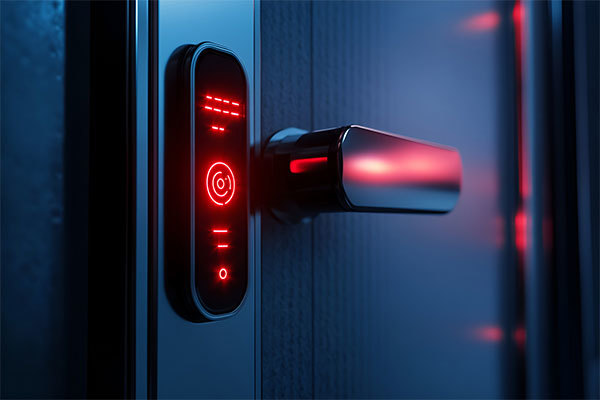
Smart locks utilize Wi-Fi or Bluetooth technology to connect to a homeowner's smartphone or other devices. This connectivity enables users to lock and unlock doors remotely, monitor access, and receive notifications about entry activity.
Integration with Home Automation Systems
Smart locks can be integrated with home automation systems, such as smart security cameras and alarm systems. This integration allows for greater control and monitoring of home security, creating a comprehensive safety solution.
Benefits of Smart Electronic Deadbolts
Smart electronic deadbolts provide numerous advantages for homeowners looking to enhance their security measures.
Remote Access and Monitoring
One of the most significant benefits of smart electronic deadbolts is the ability to control access remotely. Homeowners can lock or unlock their doors from anywhere, providing convenience and peace of mind.
Keyless Entry Options
Smart locks often feature keyless entry options, such as keypad access or smartphone unlocking. This eliminates the need for physical keys, reducing the risk of lost or stolen keys.
Access Logs and Notifications
Smart locks provide access logs that track who enters and exits the home and when. Homeowners receive real-time notifications of door activity, ensuring they are always aware of who is accessing their property.
Choosing the Right Smart Lock for Your Home
Selecting the right smart lock requires careful consideration of various factors.
Security Features
Evaluate the security features of each smart lock, such as two-factor authentication, encryption, and tamper alarms. Prioritize locks that offer robust security measures.
Compatibility with Existing Systems
Ensure that the smart lock is compatible with your existing home automation systems. Compatibility allows for seamless integration and greater functionality.
User-Friendliness
Choose a smart lock that is easy to install and user-friendly. Homeowners should be able to operate the lock without technical difficulties or extensive setup procedures.
The Future of Home Security Systems
As technology continues to advance, the future of home security looks promising. Emerging trends include biometric locks, artificial intelligence integration, and increased connectivity options.
Biometric Locks
Biometric locks utilize fingerprint or facial recognition technology, offering enhanced security by ensuring that only authorized individuals can access the home.
Artificial Intelligence in Security Systems
AI technology can analyze patterns in home security data to predict and prevent potential threats, providing homeowners with an added layer of protection.
Frequently Asked Questions
1. Are smart locks more secure than traditional locks?
Yes, smart locks generally offer enhanced security features such as remote access, monitoring, and advanced encryption, making them more secure than traditional locks.
2. What happens if the battery dies in a smart lock?
Most smart locks have backup options, such as a physical key or an emergency power supply, ensuring you can still access your home in case the battery dies.
3. Can I use a smart lock with my existing door hardware?
Many smart locks are designed to fit standard door hardware. However, it’s essential to verify compatibility before purchasing.
4. How do I install a smart lock?
Installation varies by model, but most smart locks come with detailed instructions and require basic tools. Some homeowners may prefer professional installation for added assurance.
5. Are smart locks prone to hacking?
While smart locks can be vulnerable to hacking, using strong, unique passwords, enabling two-factor authentication, and keeping software updated can mitigate these risks significantly.
Conclusion
The evolution of home security from traditional locks to smart electronic deadbolts highlights the importance of adapting to modern threats. While traditional locks have served their purpose, the benefits of smart technology, such as remote access and enhanced security features, make smart electronic deadbolts a superior choice for homeowners today. By understanding the various options and selecting the right system for their needs, homeowners can significantly improve their security and enjoy the peace of mind that comes with modern home protection.
Related News

Lockai Obtains Official UL 294 Certification for Commercial Hotel Smart Lock Systems
Foshan Lockai professional hotel smart lock factory gains UL 294 certification. Our UL-certified hotel door locks meet North America commercial building safety codes, ideal for hotel, apartment and resort projects. Full OEM/ODM & one-stop hotel lock system solutions available.


Follow Lockai Lock Industry

Mobile Official Website
Lockai Lock Industry

Address: Building 10, Room 603, Optoelectronics Industrial Park, Leliu Street, Shunde District, Foshan City, Guangdong Province
Technical Support:China Enterprise Dynamics Shunde SEO Tags