
Step into the Future: Smart Inductive Hotel Locks for Modern Hotels
2026-01-06


Step into the Future: Smart Inductive Hotel Locks for Modern Hotels
In today’s fast-paced world, security technology is evolving rapidly, and the hospitality industry is no exception. With the increasing demand for enhanced security measures and improved guest experiences, hotels are now turning to smart inductive locks. These smart locking systems not only provide superior security but also add a layer of convenience that traditional locks simply cannot match. In this comprehensive article, we will explore the features, benefits, and future trends of smart inductive hotel locks, providing a detailed insight that will help modern hotels stay ahead of the competition.
Table of Contents
- Introduction to Smart Inductive Hotel Locks
- What Are Smart Inductive Locks?
- Key Features of Smart Inductive Hotel Locks
- The Benefits of Smart Inductive Locking Systems
- Installation and Integration in Hotels
- Comparing Smart Inductive Locks with Traditional Locks
- Future Trends in Hotel Lock Technology
- Frequently Asked Questions
- Conclusion
Introduction to Smart Inductive Hotel Locks
The landscape of hotel security is undergoing a significant transformation. With the advent of smart technology, traditional locking mechanisms are being replaced by innovative solutions that cater to the evolving needs of both hotel operators and guests. Smart inductive locks offer a unique blend of convenience, safety, and efficiency, making them a preferred choice among modern hotels. This article will provide an in-depth analysis of these locks and their impact on the hospitality sector.
What Are Smart Inductive Locks?
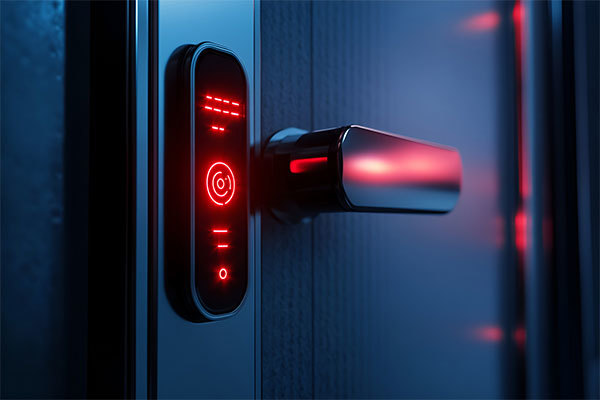
Smart inductive locks utilize advanced technology to secure hotel rooms and other sensitive areas within the premises. They typically operate via a contactless induction system, allowing guests to unlock doors with a simple wave of a smart card or mobile device. This technology eliminates the need for physical keys and minimizes the hassle associated with traditional locks. Smart inductive locks are also designed to be integrated into a hotel's existing security infrastructure, making them a versatile solution for modern hospitality.
How Do Smart Inductive Locks Work?
At the core of smart inductive locks is an inductive coupling mechanism that allows for communication between the lock and the authentication device (such as a key card or smartphone). When the guest approaches the door with the appropriate device, the lock's reader detects the signal, and if the device is valid, it activates the lock mechanism, allowing entry. This system not only enhances security but also streamlines the guest experience.
Key Features of Smart Inductive Hotel Locks
Smart inductive locks come with a plethora of features designed to enhance security and convenience:
1. Contactless Entry
Guests can unlock doors without physical contact, reducing the risk of transferring germs and enhancing hygiene—an aspect that has become increasingly important in the wake of global health concerns.
2. Remote Management
Hotel staff can manage lock access remotely, allowing for easy updates and changes to room access without the need for physical intervention. This feature is particularly useful for managing group bookings and events.
3. Audit Trails
Smart inductive locks can log entries and exits, providing hotels with valuable data on guest movements. This information can be vital for security analysis and operational adjustments.
4. Integration with Hotel Management Systems
Many smart inductive lock systems can seamlessly integrate with existing hotel management software, enabling a streamlined operation and enhanced guest experience.
5. Compatibility with Smart Devices
Guests can often use their smartphones as key cards, adding a layer of convenience that aligns with modern technological lifestyles. This feature caters to the tech-savvy traveler who prefers mobile solutions.
The Benefits of Smart Inductive Locking Systems
Adopting smart inductive locks offers various benefits for hotels:
1. Enhanced Security
With advanced encryption and access control, smart locks significantly reduce the risk of unauthorized access. Unlike traditional keys, which can be easily duplicated, smart locks provide a higher level of security.
2. Improved Guest Experience
Guests appreciate the convenience of contactless entry and mobile access, leading to a more enjoyable stay. This ease of use can translate into positive reviews and repeat business.
3. Cost-Effective Maintenance
Though the initial investment may be higher, smart inductive locks often require less maintenance than traditional systems. They also minimize the need for lock rekeying, which can be costly and time-consuming.
4. Energy Efficiency
Many smart locks come with energy-saving features, such as automatic locking mechanisms that reduce energy consumption when rooms are unoccupied, contributing to the hotel's sustainability efforts.
5. Future-Proofing Security
As technology continues to evolve, investing in smart inductive locks ensures that hotels are equipped to handle future advancements in security technology, keeping them competitive in the market.
Installation and Integration in Hotels
Implementing smart inductive locks requires careful planning and coordination. Here’s a brief overview of the installation process:
1. Assessment of Hotel Needs
Hotels should begin by assessing their specific security needs and identifying areas where smart locks can be implemented. This assessment will guide the selection of the appropriate locking system.
2. Choosing a Reliable Provider
Selecting a reputable supplier with a proven track record in smart locking solutions is crucial. Considerations should include customer service, warranty options, and integration capabilities with existing systems.
3. Installation Process
The installation typically involves replacing existing locks with smart inductive systems and configuring the software for remote management. Professional installation is recommended to ensure that the systems function correctly.
4. Staff Training
Hotel staff should be trained on how to use and manage the new locking systems. This training should cover troubleshooting procedures, access management, and customer support protocols.
Comparing Smart Inductive Locks with Traditional Locks
While traditional locks have served their purpose for decades, smart inductive locks offer numerous advantages:
1. Security
Traditional locks can be picked or bumped, while smart inductive locks provide advanced encryption and access control that significantly enhances security.
2. Convenience
Guests using traditional keys must manage physical keys, which can be lost or forgotten. Smart locks allow for contactless entry, reducing friction during check-in and access.
3. Operational Efficiency
Smart locks can be managed remotely, allowing hotels to control access with ease. This operational efficiency is a marked improvement over traditional systems, which require physical presence for changes.
4. Data Collection
With traditional locks, data on guest access is limited. Smart inductive locks create logs of entries and exits, providing valuable insights for hotel management.
Future Trends in Hotel Lock Technology
As the hospitality industry continues to evolve, so will locking technology. Some anticipated trends include:
1. Increasing Integration with IoT
The Internet of Things (IoT) will play a crucial role in future locking solutions, enabling even greater connectivity and control over hotel security systems.
2. Biometric Solutions
As technology advances, biometric locks that use fingerprints or facial recognition may become commonplace, offering an additional layer of security and convenience.
3. Artificial Intelligence
AI could enhance security features by analyzing access patterns and identifying anomalies, further protecting hotel premises and guests.
4. Sustainable Solutions
With an increasing focus on sustainability, future smart locks may incorporate eco-friendly materials and energy-efficient designs, aligning with global sustainability goals.
Frequently Asked Questions
1. What are the main advantages of smart inductive hotel locks?
Smart inductive locks offer enhanced security, convenience through contactless entry, remote management, and data collection capabilities, improving the overall guest experience.
2. Are smart inductive locks compatible with traditional hotel management systems?
Many smart inductive locks are designed to integrate seamlessly with existing hotel management systems, facilitating a smooth transition and operations management.
3. How do I choose the right smart lock system for my hotel?
Assess your hotel's specific needs, budget, and security requirements, and partner with a reputable provider that offers customizable solutions.
4. Are smart locks secure against hacking?
While no system is entirely foolproof, smart inductive locks use advanced encryption and security measures to minimize the risk of unauthorized access.
5. What is the typical lifespan of a smart inductive lock?
With proper maintenance, smart inductive locks can last many years, often exceeding the lifespan of traditional locks due to their durable construction and advanced technology.
Conclusion
In conclusion, smart inductive hotel locks are paving the way for a new era of security and convenience in the hospitality industry. By adopting these advanced locking systems, modern hotels can enhance guest experiences, improve operational efficiency, and ensure a higher level of security. As technology continues to advance, embracing smart solutions will be crucial for hotels aiming to stay competitive and meet the evolving needs of today’s travelers. The future of hotel security is here—are you ready to step into it?
Related News

Lockai Obtains Official UL 294 Certification for Commercial Hotel Smart Lock Systems


Follow Lockai Lock Industry

Mobile Official Website
Lockai Lock Industry

Address: Building 10, Room 603, Optoelectronics Industrial Park, Leliu Street, Shunde District, Foshan City, Guangdong Province
Technical Support:China Enterprise Dynamics Shunde SEO Tags