
Smart Electronic Deadbolts vs. Keyed Locks: Which is Safer?
2026-01-02


Introduction to Smart Electronic Deadbolts and Keyed Locks
In today's world, securing our homes has become more vital than ever. As technology evolves, so do the options we have for protecting our properties. Among the most popular choices are smart electronic deadbolts and traditional keyed locks. Each of these locking mechanisms offers unique advantages and disadvantages, raising a critical ques
Introduction to Smart Electronic Deadbolts and Keyed Locks
In today's world, securing our homes has become more vital than ever. As technology evolves, so do the options we have for protecting our properties. Among the most popular choices are smart electronic deadbolts and traditional keyed locks. Each of these locking mechanisms offers unique advantages and disadvantages, raising a critical question: **Which is safer?** In this article, we will delve deep into the features, benefits, and security aspects of both systems, equipping you with the knowledge needed to make an informed choice.
Understanding the Basics of Smart Electronic Deadbolts
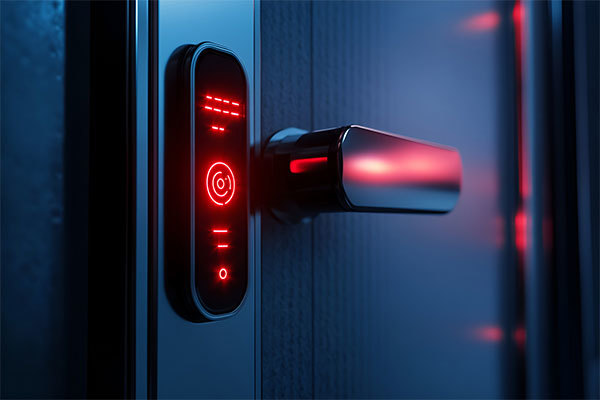
Smart electronic deadbolts represent the pinnacle of modern locking technology. Unlike conventional locks that rely on physical keys, these locks operate using various digital methods, including keypads, mobile apps, and biometric scanners.
Key Features of Smart Electronic Deadbolts
1. **Keyless Entry**: One of the primary benefits of smart deadbolts is the elimination of keys. Users can unlock their doors using smartphone applications, numeric codes, or fingerprints, enhancing convenience.
2. **Remote Accessibility**: Many smart deadbolts allow homeowners to control and monitor their locks remotely. This feature is particularly useful for people who travel frequently or want to grant access to visitors when they're not home.
3. **Activity Logs**: Advanced smart locks come with tracking features, providing logs of who accessed the lock and when. This capability aids homeowners in monitoring entry points.
4. **Integration with Smart Home Systems**: Smart deadbolts can often be integrated into broader smart home ecosystems, allowing for automated routines, such as locking doors at a specific time or syncing with security cameras.
Safety Features of Smart Electronic Deadbolts
Smart electronic deadbolts typically come equipped with advanced security features that enhance their reliability:
- **Encryption Technology**: Most smart locks use advanced encryption methods, making it significantly harder for hackers to breach the system.
- **Automatic Locking**: Some models offer automatic locking capabilities, ensuring your door is locked after a set period, reducing human error.
- **Tamper Alerts**: Many smart locks send alerts to your smartphone if someone attempts to tamper with them, allowing you to respond quickly.
Keyed Locks: The Traditional Choice
Keyed locks have been around for centuries and remain a staple in securing homes. Their simplicity and reliability have made them a favored option among homeowners.
Key Features of Keyed Locks
1. **Simplicity**: Keyed locks are easy to operate. All you need is a physical key to unlock the door, making them straightforward for anyone to use.
2. **Fewer Technical Issues**: Unlike electronic locks, keyed locks do not rely on batteries or software updates, which means they are less susceptible to malfunctions.
3. **Variety of Options**: Traditional locks come in various designs, materials, and security levels, allowing homeowners to choose a lock that fits their specific needs.
Safety Features of Keyed Locks
Keyed locks offer robust security features, making them a reliable choice for many homes:
- **Physical Security**: The solid construction and design of keyed locks provide a strong barrier against forced entry.
- **Pick Resistance**: Many keyed locks are designed to resist picking and bumping, common methods used by burglars.
- **Diverse Keying Options**: Homeowners can opt for high-security locks that utilize unique keyways and intricate designs to enhance protection against unauthorized duplication.
Comparing Safety: Smart Electronic Deadbolts vs. Keyed Locks
When it comes to safety, both smart electronic deadbolts and keyed locks have their merits. To determine which is safer, we need to analyze various factors.
Vulnerability to Unauthorized Access
Smart electronic deadbolts may seem more vulnerable to hacking, but with proper security measures, they can be quite secure. Many models employ multifactor authentication and encryption to safeguard against unauthorized access.
Conversely, keyed locks can be vulnerable to physical attacks, such as picking or bumping, especially if they are not of high quality. However, the absence of electronic components means fewer avenues for digital intrusion.
Emergency Situations
In an emergency, such as a power outage or the failure of a smart deadbolt system, traditional keyed locks have the advantage of reliability. You can easily access your home with a key, whereas smart locks may become inoperable without power or connectivity.
User Error and Convenience
Smart electronic deadbolts significantly reduce the chances of forgetting keys but introduce the risk of forgetting codes or failing to charge batteries. Conversely, while keyed locks eliminate digital errors, forgetting or losing physical keys can lead to lockouts.
Cost Considerations: Which Lock is More Cost-Effective?
When evaluating costs, it’s essential to consider both the initial investment and the long-term expenses associated with each locking system.
Initial Costs
Smart electronic deadbolts typically have a higher upfront cost than traditional keyed locks, due to their advanced technology and features. Prices can range from $100 to over $300, depending on the brand and features.
Keyed locks, on the other hand, are generally more affordable, starting at around $30 and going up to $200 for high-security models.
Long-Term Maintenance Costs
Smart locks may incur ongoing costs related to battery replacements, software updates, and potential service fees if issues arise. However, they often save on the cost of replacing physical keys, which can be beneficial for homeowners with multiple entry points.
Keyed locks have minimal ongoing costs, primarily related to occasional maintenance and potential key replacements, making them a low-maintenance option in the long run.
Installation Process: Smart Locks vs. Keyed Locks
The installation process can also influence your choice between smart electronic deadbolts and keyed locks.
Smart Electronic Deadbolt Installation
Installing a smart electronic deadbolt may require more technical expertise compared to traditional locks. Homeowners must consider wiring, battery placement, and connectivity to ensure proper operation. Many brands offer detailed instructions, and professional installation services are available for those who prefer expert assistance.
Keyed Lock Installation
In contrast, installing a keyed lock is typically straightforward and can often be done with basic tools. Homeowners can easily replace or install a new keyed lock without professional help, making it a convenient option.
FAQs About Smart Electronic Deadbolts and Keyed Locks
1. Are smart electronic deadbolts more secure than keyed locks?
While both offer security, smart electronic deadbolts can provide enhanced features such as remote access and activity logs, making them a strong contender. However, their vulnerability to hacking is a consideration.
2. What happens if the battery dies in a smart lock?
Most smart locks have backup methods for unlocking, such as a physical key or a keypad. It's advisable to check the battery regularly to avoid lockouts.
3. Can smart deadbolts be hacked?
While there is a potential risk, reputable smart locks use encryption and security features to minimize this risk. Regular updates and strong passwords enhance security.
4. How do I maintain my keyed lock?
Regularly lubricating the lock and ensuring the key doesn’t get stuck can prolong its life. Additionally, inspect the lock for wear and tear.
5. Can smart locks be integrated with home security systems?
Yes, many smart locks can integrate with home automation systems, allowing for comprehensive control and monitoring.
Conclusion: Making the Right Choice for Your Home Security
Choosing between smart electronic deadbolts and traditional keyed locks ultimately depends on your specific needs, lifestyle, and preferences. Smart locks offer advanced security features and convenience, ideal for tech-savvy homeowners seeking modern solutions. In contrast, keyed locks provide simplicity and reliability, appealing to those who prefer a no-frills approach to home security.
In summary, consider the factors of convenience, safety, cost, and installation when making your decision. By understanding the strengths and weaknesses of each option, you can confidently choose the locking mechanism that best protects your home and gives you peace of mind.
Related News

Lockai Obtains Official UL 294 Certification for Commercial Hotel Smart Lock Systems
Foshan Lockai professional hotel smart lock factory gains UL 294 certification. Our UL-certified hotel door locks meet North America commercial building safety codes, ideal for hotel, apartment and resort projects. Full OEM/ODM & one-stop hotel lock system solutions available.

Follow Lockai Lock Industry

Mobile Official Website
Lockai Lock Industry

Address: Building 10, Room 603, Optoelectronics Industrial Park, Leliu Street, Shunde District, Foshan City, Guangdong Province
Technical Support:China Enterprise Dynamics Shunde SEO Tags