
The Eco-Friendly Advantages of Smart Inductive Hotel Locks
2026-01-01


The Eco-Friendly Advantages of Smart Inductive Hotel Locks
As the hospitality industry evolves, the need for eco-friendly solutions becomes increasingly critical. One such innovation is the **smart inductive hotel lock**, a technology that not only enhances security but also aligns with sustainable practices. In this comprehensive guide, we will explore the eco-friendly advantages of these locks, examining their components, functionality, and the broader impact on the environment. Join us as we delve into how these locks are transforming hotel security while supporting our planet.
Table of Contents
- Understanding Smart Inductive Hotel Locks
- How Smart Inductive Hotel Locks Work
- The Environmental Impact of Traditional Locking Systems
- Eco-Friendly Features of Smart Inductive Locks
- Benefits of Using Smart Inductive Hotel Locks
- Enhanced Security Measures
- Energy Efficiency and Sustainability
- Cost Savings for Hotels
- Integrating Smart Locks into Hotel Operations
- Future Trends in Eco-Friendly Hotel Security
- Frequently Asked Questions
Understanding Smart Inductive Hotel Locks
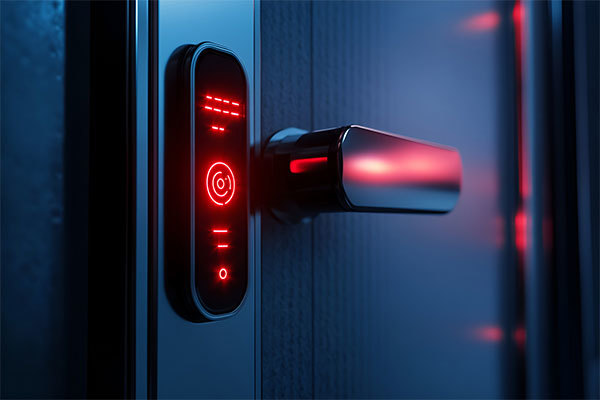
Smart inductive hotel locks are advanced locking mechanisms that utilize electromagnetic induction technology. These state-of-the-art locks offer enhanced security features, eliminating the need for traditional keys. Instead, guests can access their rooms using smartphones or key cards equipped with inductive technology, providing a seamless and secure experience.
Key Components of Smart Inductive Locks
Smart inductive locks consist of several key components:
- Inductive Reader: This device reads the signals emitted from the key card or smartphone, verifying the identity of the user.
- Electronic Lock Mechanism: This part secures the door, releasing it only when given the appropriate signal from the inductive reader.
- Power Source: Most smart locks are powered by rechargeable batteries or hardwired systems, reducing their reliance on disposable batteries.
How Smart Inductive Hotel Locks Work
The operation of smart inductive locks revolves around electromagnetic induction. When a user approaches with a compatible device, the inductive reader sends out a signal. The device responds, transmitting a unique code that the lock recognizes. Once verified, the electronic locking mechanism disengages, allowing access. This streamlined process not only enhances convenience for users but also minimizes physical wear and tear on the lock itself, extending its lifespan and reducing waste.
The Environmental Impact of Traditional Locking Systems
Traditional locking systems often pose significant environmental challenges. The manufacturing process for conventional locks typically involves the use of metals and plastics, which contribute to resource depletion and pollution. Furthermore, the frequent need for key replacements and the disposal of old keys result in unnecessary waste. These factors highlight the urgency for more sustainable options in the hospitality sector.
Eco-Friendly Features of Smart Inductive Locks
Smart inductive hotel locks come with a variety of eco-friendly features that make them a sustainable choice for modern hotels. Let's explore some of these features in depth:
1. Reduced Energy Consumption
Many smart inductive locks are designed to be energy efficient. They utilize low-power technology, which significantly reduces their environmental footprint. By minimizing energy consumption, hotels can lower their operational costs while also contributing to a more sustainable future.
2. Long-Lasting Durability
Smart inductive locks are built to last. Their robust construction and advanced materials mean that they have a longer lifespan compared to traditional locks. This durability not only reduces the frequency of replacements but also minimizes waste, as fewer materials are required over time.
3. Elimination of Disposable Batteries
Many smart locks operate on rechargeable batteries, thereby reducing the reliance on single-use batteries that often end up in landfills. Some systems can even be hardwired, eliminating the need for batteries altogether. This transition is vital in addressing the growing issue of battery waste and environmental pollution.
4. Minimal Resource Use in Production
The production of smart inductive locks often requires fewer resources than traditional locks. Manufacturers are increasingly adopting sustainable practices, such as using recycled materials and eco-friendly manufacturing processes. This shift contributes to a lower overall environmental impact.
Benefits of Using Smart Inductive Hotel Locks
Implementing smart inductive hotel locks offers numerous advantages that go beyond environmental sustainability. Let’s delve into some of the key benefits:
Enhanced Security Measures
Security is paramount in the hospitality industry. Smart inductive locks provide enhanced security features, such as encryption and real-time monitoring. These advanced systems help to prevent unauthorized access, ensuring the safety of guests and their belongings.
Energy Efficiency and Sustainability
As highlighted earlier, the energy efficiency of smart inductive locks significantly contributes to sustainability. By reducing energy consumption, hotels can achieve their green initiatives and appeal to environmentally conscious travelers.
Cost Savings for Hotels
Although the initial investment in smart inductive locks may be higher than traditional systems, the long-term savings are substantial. Reduced energy bills, lower replacement costs, and fewer security breaches result in significant savings over time, making these locks a financially sound choice.
Integrating Smart Locks into Hotel Operations
Integrating smart inductive locks into hotel operations requires a strategic approach. Here are some steps to consider:
1. Assess Current Security Systems
Before transitioning to smart locks, conduct a thorough assessment of the existing security systems. Identify areas where improvements can be made and determine the best integration strategy.
2. Choose the Right Technology
Not all smart locks are created equal. Research various options and choose a system that aligns with the hotel's specific needs. Consider factors such as compatibility with existing systems, user-friendliness, and energy efficiency.
3. Train Staff Appropriately
Ensure that hotel staff are properly trained in the operation and maintenance of the new locking systems. This training will help to minimize security risks and enhance the overall guest experience.
Future Trends in Eco-Friendly Hotel Security
The trend towards eco-friendly technologies is likely to continue shaping the hospitality industry. Here are some expected developments in hotel security:
1. Increased Adoption of IoT Technologies
The Internet of Things (IoT) is set to play a significant role in the evolution of hotel security. Smart locks that connect to other devices in the hotel can enhance guest experiences, enabling features such as remote check-in and personalized room access.
2. Integration with Sustainable Practices
As hotels strive for sustainability, smart security systems will increasingly integrate with other eco-friendly practices, such as energy-efficient lighting and HVAC systems, creating a comprehensive approach to environmental responsibility.
3. Enhanced Data Security Measures
With the rise of smart technologies comes the need for heightened data security. Future smart inductive locks will likely incorporate advanced encryption methods to protect both guest information and the hotel’s operational data.
Frequently Asked Questions
What are smart inductive hotel locks?
Smart inductive hotel locks are advanced locking systems that utilize electromagnetic induction technology, allowing guests to access their rooms using smartphones or key cards rather than traditional keys.
Are smart inductive locks more secure than traditional locks?
Yes, smart inductive locks offer enhanced security features, such as encryption and real-time monitoring, making them more secure than traditional locking systems.
How do smart locks contribute to sustainability?
Smart locks reduce energy consumption, minimize waste through durability, and often eliminate the need for disposable batteries, all of which contribute to a more sustainable hospitality industry.
What are the cost implications of switching to smart locks?
While the initial investment in smart inductive locks may be higher, the long-term savings from reduced energy bills, lower replacement costs, and enhanced security make them a cost-effective choice for hotels.
Can smart locks be integrated with existing hotel systems?
Yes, many smart inductive locks are designed to integrate seamlessly with existing hotel management systems, enhancing operational efficiency.
Conclusion
The transition to **smart inductive hotel locks** represents a significant step forward for the hospitality industry. With their eco-friendly advantages, these locks not only enhance security but also support sustainability goals. By reducing energy consumption, minimizing waste, and promoting innovative technology, hotels can create a safer, more environmentally responsible experience for their guests. As we continue to embrace these advancements, the future of hotel security appears brighter and greener.
Related News

Lockai Obtains Official UL 294 Certification for Commercial Hotel Smart Lock Systems


Follow Lockai Lock Industry

Mobile Official Website
Lockai Lock Industry

Address: Building 10, Room 603, Optoelectronics Industrial Park, Leliu Street, Shunde District, Foshan City, Guangdong Province
Technical Support:China Enterprise Dynamics Shunde SEO Tags