
The Evolution of Hotel Security: Smart Inductive Locks Take Charge
2025-12-18


The Evolution of Hotel Security: Smart Inductive Locks Take Charge
Table of Contents
Introduction to Hotel Security Innovations
Understanding Smart Inductive Locks
A Brief History of Hotel Security Measures
Benefits of Smart Lock Technology in Hotels
How Inductive Locks Function
Case Studies: Inductive Locks in Action
The Future of Hotel Security with Smart Technology
The Evolution of Hotel Security: Smart Inductive Locks Take Charge
Table of Contents
- Introduction to Hotel Security Innovations
- Understanding Smart Inductive Locks
- A Brief History of Hotel Security Measures
- Benefits of Smart Lock Technology in Hotels
- How Inductive Locks Function
- Case Studies: Inductive Locks in Action
- The Future of Hotel Security with Smart Technology
- Frequently Asked Questions
- Conclusion: Embracing the Future of Hotel Security
Introduction to Hotel Security Innovations
The landscape of hotel security has witnessed significant transformations over the years, adapting to the evolving needs of guests and the hospitality industry. As travelers increasingly prioritize safety and convenience, hotels are turning to **smart inductive locks** as a cutting-edge solution. This article delves into the evolution of hotel security, focusing on how inductive lock technology is reshaping the guest experience while enhancing safety.
Understanding Smart Inductive Locks
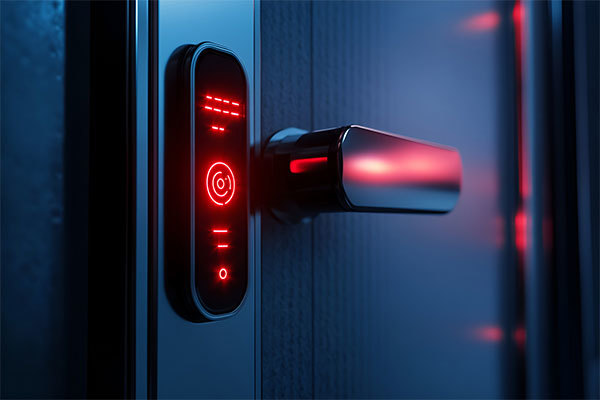
Smart inductive locks utilize advanced technology to provide secure access to hotel rooms and common areas. Unlike traditional key-and-lock systems, these locks operate using **electromagnetic induction**, which enables them to communicate wirelessly with authorized devices. Guests can enjoy seamless access to their rooms through the use of smartphones, smart cards, or wearable devices.
The transition to inductive locks signifies a shift towards greater **convenience**, allowing guests to move effortlessly within the hotel. Furthermore, hotel operators benefit from enhanced security features and real-time monitoring capabilities, ensuring a safer environment for all.
A Brief History of Hotel Security Measures
To understand the significance of smart inductive locks, it is essential to look back at the history of hotel security measures.
The Pre-Digital Era
In the early days of hospitality, hotels relied heavily on **traditional locks** and keys. These mechanical systems were prone to wear and tear, and lost or stolen keys often compromised security. The need for more reliable and secure systems led to the introduction of keycard technology in the late 20th century.
The Rise of Keycard Systems
The introduction of **keycard systems** marked a turning point in hotel security. Keycards provided hotels with centralized control over room access, enabling quick changes to guest access permissions. However, these systems were still limited by their reliance on physical cards and could be susceptible to cloning or misplacement.
The Shift to Smart Technology
As technology advanced, so did hotel security measures. The emergence of **smart locks** brought forth a new era, allowing hotels to implement features such as remote access, guest notifications, and integration with mobile apps. The development of inductive locks is the latest evolution in this ongoing journey towards enhanced security.
Benefits of Smart Lock Technology in Hotels
Smart inductive locks offer numerous benefits that have made them an appealing choice for hotels worldwide.
Enhanced Security
One of the primary advantages of smart inductive locks is the heightened security they provide. Unlike traditional locks, which can be easily picked or tampered with, inductive locks utilize encryption and secure communication protocols to safeguard access. This significantly reduces the risk of unauthorized entry.
Convenience for Guests
Smart inductive locks enable a more convenient experience for guests. With the ability to unlock doors using their smartphones or smart devices, guests no longer need to worry about carrying physical keys or cards. This technology also allows for **contactless entry**, adding an extra layer of safety, especially in a post-pandemic world.
Remote Management
Hotel operators can manage access permissions remotely, granting and revoking access as needed. This is particularly beneficial for housekeeping and maintenance staff, who can be granted temporary access without the need for physical keys. Additionally, hotels can monitor entry logs in real-time, enhancing security and accountability.
Integration with Other Systems
Another advantage is the seamless integration of smart inductive locks with other hotel management systems. This allows for a more cohesive approach to hospitality management, including features like automated check-in and check-out processes, guest notifications, and personalized room settings.
How Inductive Locks Function
Understanding the technology behind smart inductive locks can give hotels and guests a clearer picture of their operation.
The Technology Behind Induction
Inductive locks operate on the principle of electromagnetic induction, which involves the generation of an electromagnetic field to communicate securely. When an authorized device, such as a smartphone, comes within range of the inductive lock, it generates a unique signal that the lock recognizes.
Components of Smart Inductive Locks
Each inductive lock comprises several key components:
- **Locking Mechanism:** This is the physical part of the lock that secures the door.
- **Inductive Reader:** This component detects the signal from the authorized device.
- **Power Source:** Many inductive locks are battery-operated, offering flexibility in installation.
- **Communication Protocol:** Secure protocols ensure that data exchanged between the lock and the device remains protected from interception.
Case Studies: Inductive Locks in Action
Examining real-world implementations of smart inductive locks can provide valuable insights into their effectiveness and benefits.
Case Study 1: A Luxury Hotel Chain
A well-known luxury hotel chain recently transitioned to smart inductive locks across all its properties. The implementation resulted in a **30% reduction in unauthorized access incidents** and improved guest satisfaction rates, with many guests appreciating the convenience of mobile access.
Case Study 2: A Boutique Hotel
A boutique hotel adopted smart inductive locks to enhance security while maintaining a unique guest experience. By offering guests the option to unlock their rooms with wearable devices, the hotel reported an increase in repeat bookings and positive online reviews.
The Future of Hotel Security with Smart Technology
As technology continues to evolve, so too will the landscape of hotel security. The future of hotel security likely includes even more advanced features, such as **biometric authentication**, artificial intelligence integration for predictive security, and enhanced data analytics for understanding guest behaviors.
Continued Advances in Technology
With ongoing advancements, we can expect to see smart inductive locks becoming more intuitive and user-friendly. Hotels may implement systems that learn guest preferences and provide tailored experiences based on individual behaviors.
Increasing Importance of Cybersecurity
As hotels adopt more connected devices, the importance of cybersecurity will be paramount. Hotels must invest in robust security measures to protect sensitive guest information and ensure the integrity of their access systems.
Frequently Asked Questions
1. What are smart inductive locks?
Smart inductive locks are advanced locking systems that use electromagnetic induction to provide secure access to hotel rooms and areas. They can be operated via smartphones or other authorized devices.
2. How do inductive locks enhance hotel security?
Inductive locks offer improved security through encryption and secure communication protocols, making them less susceptible to unauthorized access compared to traditional locking systems.
3. Can guests still use traditional keys with smart locks?
While most hotels with smart inductive locks focus on mobile and contactless access, some facilities may still provide physical keys for guests who prefer them.
4. How can hotels manage access to smart locks?
Hotels can manage access remotely, granting and revoking permissions as needed. This allows for efficient management of housekeeping and maintenance staff access.
5. What is the future of hotel security technology?
The future of hotel security technology will likely include advancements such as biometric authentication, AI integration, and enhanced data analytics to improve guest experiences and security measures.
Conclusion: Embracing the Future of Hotel Security
The evolution of hotel security through smart inductive locks represents a significant leap towards safer, more convenient accommodations. As hotels continue to adopt these advanced systems, guests can expect a more personalized and secure experience. The future of hotel security is bright, driven by technology that prioritizes both safety and convenience. Embracing these innovations not only enhances guest satisfaction but also strengthens the overall reputation of hotels in a competitive industry. The journey of hotel security is far from over, and smart inductive locks are leading the charge into a new era of hospitality excellence.
Related News

Lockai Obtains Official UL 294 Certification for Commercial Hotel Smart Lock Systems
Foshan Lockai professional hotel smart lock factory gains UL 294 certification. Our UL-certified hotel door locks meet North America commercial building safety codes, ideal for hotel, apartment and resort projects. Full OEM/ODM & one-stop hotel lock system solutions available.


Follow Lockai Lock Industry

Mobile Official Website
Lockai Lock Industry

Address: Building 10, Room 603, Optoelectronics Industrial Park, Leliu Street, Shunde District, Foshan City, Guangdong Province
Technical Support:China Enterprise Dynamics Shunde SEO Tags