
Understanding Different Types of Hotel Door Locks: A Comprehensive Guide
2025-12-17


Understanding Different Types of Hotel Door Locks: A Comprehensive Guide
Table of Contents
1. Introduction to Hotel Door Locks
2. Importance of Hotel Security
3. Types of Hotel Door Locks
3.1 Mechanical Locks
3.2 Electronic Locks
3.3 Smart Locks
3.4 Keyless Entry Systems
4. Choosing the Right Hotel Door Lock
Understanding Different Types of Hotel Door Locks: A Comprehensive Guide
Table of Contents
- 1. Introduction to Hotel Door Locks
- 2. Importance of Hotel Security
- 3. Types of Hotel Door Locks
- 4. Choosing the Right Hotel Door Lock
- 5. Installation and Maintenance of Hotel Door Locks
- 6. Future Trends in Hotel Door Lock Technology
- 7. Frequently Asked Questions
- 8. Conclusion
1. Introduction to Hotel Door Locks
In the hospitality industry, security is paramount. Hotel door locks serve as the first line of defense against unauthorized access, ensuring the safety of guests and their belongings. Understanding the various types of hotel door locks can empower hoteliers to make informed choices that enhance guest experience and hotel security.
2. Importance of Hotel Security
The significance of robust security measures in hotels cannot be overstated. Guests expect a safe environment, and a secure hotel is crucial for maintaining trust and reputation. Effective locks not only protect guests but also safeguard hotel assets. In this section, we will delve into the key reasons why security is essential in the hospitality sector.
2.1 Guest Safety and Peace of Mind
A secure hotel provides guests with peace of mind, enabling them to relax and enjoy their stay. When guests feel safe, they are more likely to return and recommend the hotel to others.
2.2 Protection of Property
Hotels house valuable items, from personal belongings to high-end equipment. Effective door locks prevent theft and vandalism, ensuring that both guests and hotel property remain secure.
2.3 Compliance with Regulations
Many regions have regulations regarding hotel security. Implementing modern locking systems helps hotels comply with these laws and avoid potential legal issues.
3. Types of Hotel Door Locks
In this section, we will explore the various types of hotel door locks available today, providing detailed insights into their features, benefits, and drawbacks.
3.1 Mechanical Locks
Mechanical locks have been a staple in the hospitality industry for decades. These locks operate using a physical key or a combination, offering a simple and reliable security solution.
Advantages of Mechanical Locks
- **Simplicity**: Mechanical locks are easy to operate and require minimal training for staff.
- **Cost-Effective**: Generally, they are less expensive than electronic alternatives, making them a budget-friendly option for smaller establishments.
Disadvantages of Mechanical Locks
- **Key Management**: The need for physical keys can lead to issues with lost or duplicated keys.
- **Limited Features**: Mechanical locks do not offer advanced features such as remote access or tracking.
3.2 Electronic Locks
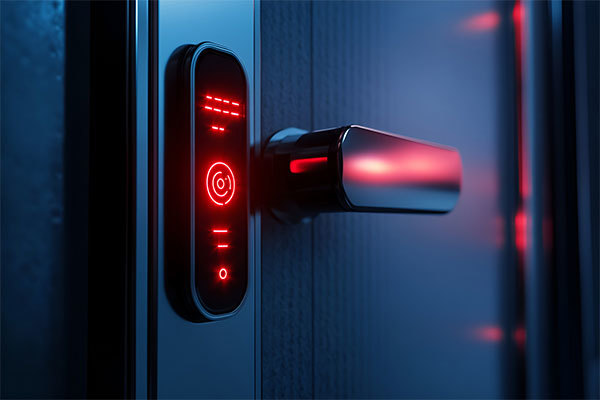
Electronic locks have gained popularity due to their advanced features and enhanced security measures. These locks use electronic mechanisms to operate, often requiring key cards or codes for access.
Advantages of Electronic Locks
- **Enhanced Security**: Electronic locks can be reprogrammed, reducing the risk of unauthorized access.
- **User-Friendly**: They often come with user-friendly interfaces, making access easier for guests and staff.
Disadvantages of Electronic Locks
- **Higher Initial Cost**: The upfront investment for electronic locking systems can be significant.
- **Dependency on Power**: Electronic locks require a power source, which can be a concern during outages.
3.3 Smart Locks
Smart locks represent the latest innovation in hotel door security. These locks integrate with smartphones and other devices, providing a seamless and convenient experience for guests.
Advantages of Smart Locks
- **Convenience**: Guests can unlock doors using their smartphones, eliminating the need for physical keys.
- **Remote Management**: Hotel staff can monitor and manage access remotely, improving operational efficiency.
Disadvantages of Smart Locks
- **Potential for Hacking**: As with any connected device, smart locks may be vulnerable to cyber threats.
- **Technology Dependence**: Guests must have compatible devices, which may not be suitable for everyone.
3.4 Keyless Entry Systems
Keyless entry systems are an evolution of electronic locks, offering greater flexibility and ease of use. These systems allow guests to access their rooms without traditional keys or cards.
Advantages of Keyless Entry Systems
- **Streamlined Check-In**: Guests can receive access codes via email or app, reducing wait times at the front desk.
- **Increased Security**: Codes can be easily changed after each guest's stay, enhancing security.
Disadvantages of Keyless Entry Systems
- **Technical Issues**: Relying on technology can lead to complications, such as guests forgetting codes.
- **Limited Accessibility**: Older guests or those unfamiliar with smartphones may find keyless systems challenging.
4. Choosing the Right Hotel Door Lock
Selecting the appropriate door lock for a hotel involves a careful assessment of various factors, including the type of guests, the hotel’s architecture, and the budget. Here are some considerations to keep in mind.
4.1 Assessing Guest Demographics
Understanding the preferences and needs of your target guests can guide your choice of locking systems. Business travelers may favor smart locks for convenience, while families may prefer traditional mechanical locks for simplicity.
4.2 Evaluating Hotel Architecture
The design and structure of the hotel can impact the type of locks that are suitable. For instance, older hotels with traditional doors may be best served with mechanical locks, while modern establishments can benefit from electronic and smart locks.
4.3 Budget Considerations
Budget plays a crucial role in the decision-making process. While investing in high-tech locking systems may offer long-term savings and benefits, it's essential to balance this with initial costs and ongoing maintenance.
5. Installation and Maintenance of Hotel Door Locks
Proper installation and maintenance of hotel door locks are vital for ensuring their longevity and effectiveness. This section outlines best practices for both.
5.1 Professional Installation
Engaging professional locksmiths or security experts for installation ensures that locks are fitted correctly and securely. Improper installation can lead to vulnerabilities.
5.2 Regular Maintenance Checks
Routine maintenance is essential to keep locks functioning optimally. Regular inspections can help identify wear and tear, allowing for timely repairs or replacements.
5.3 Staff Training
Training hotel staff on the proper use and management of locking systems is crucial. Staff should be familiar with emergency procedures and troubleshooting common issues.
6. Future Trends in Hotel Door Lock Technology
As technology continues to evolve, so does the landscape of hotel door locks. Here are some anticipated trends that are shaping the future of hotel security.
6.1 Biometric Access
Biometric locks that use fingerprints or facial recognition are on the rise, offering an unprecedented level of security and convenience.
6.2 Integration with IoT
The Internet of Things (IoT) is set to revolutionize hotel security. Locks that integrate with smart home systems can provide a more cohesive user experience.
6.3 Sustainable Solutions
Eco-friendly locking systems that utilize sustainable materials and energy-efficient technologies are becoming increasingly popular among environmentally conscious consumers.
7. Frequently Asked Questions
7.1 What is the most secure type of hotel door lock?
The most secure type of hotel door lock often depends on the specific needs of the hotel, but smart locks with biometric features typically offer the highest level of security.
7.2 Are electronic locks more reliable than mechanical locks?
While both types have their advantages, electronic locks generally offer enhanced security features and easier management, making them more reliable for modern hotels.
7.3 How often should hotel door locks be changed?
It is recommended to change locks whenever there is a change in occupancy or if a key is reported lost. Regular audits can help determine when locks need to be updated.
7.4 Can hotel door locks be hacked?
While no system is entirely foolproof, reputable electronic and smart locks employ robust encryption methods to minimize the risk of hacking.
7.5 What should I consider when upgrading hotel locks?
Consider guest demographics, budget, hotel architecture, and the latest technology trends when upgrading locks to ensure the best fit for your establishment.
8. Conclusion
Understanding the various types of hotel door locks is essential for hoteliers seeking to enhance security and improve guest experiences. With options ranging from traditional mechanical locks to advanced smart systems, the right choice will depend on individual hotel needs and guest expectations. By prioritizing security, conducting regular maintenance, and staying informed about emerging trends, hotels can ensure a safe and welcoming environment for all guests.
Related News

Lockai Obtains Official UL 294 Certification for Commercial Hotel Smart Lock Systems
Foshan Lockai professional hotel smart lock factory gains UL 294 certification. Our UL-certified hotel door locks meet North America commercial building safety codes, ideal for hotel, apartment and resort projects. Full OEM/ODM & one-stop hotel lock system solutions available.


Follow Lockai Lock Industry

Mobile Official Website
Lockai Lock Industry

Address: Building 10, Room 603, Optoelectronics Industrial Park, Leliu Street, Shunde District, Foshan City, Guangdong Province
Technical Support:China Enterprise Dynamics Shunde SEO Tags