
Digital Locks vs. Traditional Locks: Which is Better for Metal Doors?
2025-12-10


Digital Locks vs. Traditional Locks: Which is Better for Metal Doors?
Choosing the right locking system for metal doors is crucial for safeguarding your property. With advancements in technology, we face a pivotal choice: **digital locks** or **traditional locks**? Each type comes with its own set of advantages and drawbacks, and understanding these can significantly impact your decision. In this article, we delve into the details of both locking systems, weighing their pros and cons, and offering guidance on how to select the right one for your needs.
Table of Contents
- 1. Introduction
- 2. Understanding Digital and Traditional Locks
- 3. Pros and Cons of Digital Locks
- 4. Pros and Cons of Traditional Locks
- 5. Security Features Comparison
- 6. Installation and Maintenance
- 7. Cost Analysis: Digital vs. Traditional Locks
- 8. Conclusion
1. Introduction
The need for security is universal, and with the variety of locking mechanisms available today, making the right choice can be overwhelming. Metal doors, known for their durability and strength, require a locking system that not only complements their robust nature but also meets modern security demands. In this article, we will explore **digital locks** and **traditional locks**, providing a detailed analysis that will aid you in making the most informed decision for your property.
2. Understanding Digital and Traditional Locks
2.1 What are Digital Locks?
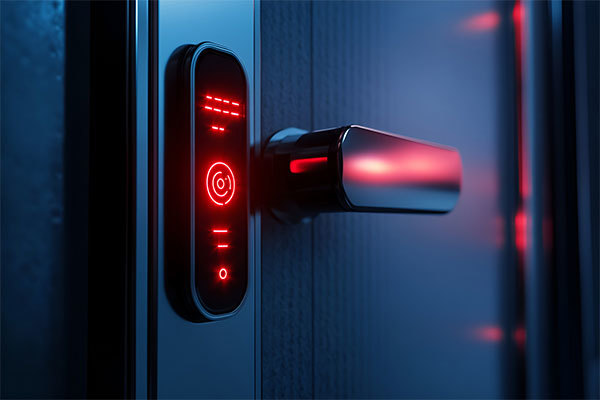
Digital locks, also known as electronic locks, utilize advanced technology to secure doors. These locks can be operated via keypads, smartphones, or biometrics, allowing for keyless entry. **Digital locks** often incorporate features such as remote access, audit trails, and temporary codes, making them a popular choice for both residential and commercial properties.
2.2 What are Traditional Locks?
**Traditional locks**, on the other hand, rely on mechanical components, such as keys and tumblers. This time-tested locking mechanism has been in use for centuries. Common types include deadbolts, knob locks, and mortise locks. Traditional locks are often more straightforward in design and operation, offering a sense of familiarity and reliability.
3. Pros and Cons of Digital Locks
**Digital locks** come with several distinct advantages:
- Convenience: Keyless entry allows for easy access without the need for physical keys.
- Security Features: Many digital locks offer enhanced security features such as two-factor authentication and remote monitoring.
- Audit Trails: They can provide logs of who accessed the lock and when, which is particularly beneficial for businesses.
- Temporary Access: You can grant temporary codes to guests or service personnel.
However, there are some drawbacks to consider:
- Power Dependency: Digital locks require batteries or electricity, which can be a vulnerability if power is lost.
- Complexity: They can be more complicated to install and operate for those unfamiliar with technology.
- Cost: Generally, digital locks are more expensive than traditional counterparts.
4. Pros and Cons of Traditional Locks
**Traditional locks** also present their own set of benefits:
- Reliability: They have a proven track record of effectiveness and reliability over many years.
- Affordability: Traditional locks are typically less expensive than digital options.
- Ease of Use: Simple to operate and install, requiring no technological expertise.
Yet, there are some limitations:
- Physical Key Management: Losing a key can result in security breaches or the need for lock replacement.
- Lack of Advanced Features: They don't offer the high-tech features or convenience of digital locks.
- Limited Access Control: Granting temporary access can be cumbersome, requiring key duplication.
5. Security Features Comparison
When it comes to security, both types of locks have unique strengths. **Digital locks** are often equipped with features that enhance security. For instance, many digital locks come with tamper alerts, automatic locking mechanisms, and encryption technology. In contrast, **traditional locks** rely on robust physical materials and can be reinforced with high-security features, such as pick-resistant designs and hardened steel shanks.
In general, digital locks provide a high-tech approach to security with their advanced features, while traditional locks offer the reliability of mechanical systems. The choice depends on the specific security needs of your property.
6. Installation and Maintenance
**Installation** of digital locks often requires more technical expertise than traditional locks. Depending on the model, the setup may involve connecting to Wi-Fi networks or integrating with home automation systems. Maintenance of digital locks may also involve software updates and battery replacements.
Conversely, **traditional locks** are straightforward to install and maintain. Regular lubrication and checking for wear and tear can keep them functional for years. However, if a lock is damaged, it could require complete replacement rather than simple repairs.
7. Cost Analysis: Digital vs. Traditional Locks
When evaluating cost, **digital locks** typically range from $100 to $500, depending on features and brand. Installation costs may also be higher due to the need for professional assistance. Maintenance costs can add up over time, particularly regarding battery replacements and software updates.
In contrast, **traditional locks** generally cost between $20 and $100. Installation is often less expensive, and they require minimal ongoing maintenance. For those on a budget, traditional locks present a cost-effective solution.
8. Conclusion
In the debate between digital locks and traditional locks for metal doors, the best choice hinges on your specific needs and lifestyle. **Digital locks** offer cutting-edge convenience, advanced security features, and ease of access, making them ideal for tech-savvy individuals and businesses requiring flexible access controls. On the other hand, **traditional locks** provide reliability, affordability, and simple functionality, appealing to those who prefer a straightforward, time-tested approach to security. Ultimately, assessing your priorities—be it modern technology or classic reliability—will guide you in making the right decision for your locking needs.
FAQs
1. Are digital locks secure?
Yes, digital locks can be secure if they use robust encryption and security features. However, it's essential to select a reputable brand and regularly update any software.
2. Can I use a digital lock on a metal door?
Yes, many digital locks are designed specifically for metal doors and provide a secure fit.
3. How long do digital locks last?
Digital locks generally last several years, but battery life may vary depending on usage. Regular maintenance can extend their lifespan.
4. What happens if I forget my digital lock code?
Most digital locks have a backup solution, such as a physical key or a master code, to regain access if you forget your code.
5. Are traditional locks still effective?
Yes, traditional locks remain effective and are widely used. They can be reinforced with high-security features to enhance their durability and resistance to tampering.
Related News

Lockai Obtains Official UL 294 Certification for Commercial Hotel Smart Lock Systems

Follow Lockai Lock Industry

Mobile Official Website
Lockai Lock Industry

Address: Building 10, Room 603, Optoelectronics Industrial Park, Leliu Street, Shunde District, Foshan City, Guangdong Province
Technical Support:China Enterprise Dynamics Shunde SEO Tags