
The Future of Home Security: Smart Electronic Deadbolts Explained
2025-12-09


The Future of Home Security: Smart Electronic Deadbolts Explained
Table of Contents
1. Introduction to Smart Electronic Deadbolts
2. A Brief History of Home Security
3. What Are Smart Electronic Deadbolts?
4. Benefits of Smart Electronic Deadbolts
5. How Do Smart Electronic Deadbolts Work?
6. Installing Smart Electronic Deadbolts
7. Choosing the Right Smart Deadbolt fo
The Future of Home Security: Smart Electronic Deadbolts Explained
Table of Contents
- 1. Introduction to Smart Electronic Deadbolts
- 2. A Brief History of Home Security
- 3. What Are Smart Electronic Deadbolts?
- 4. Benefits of Smart Electronic Deadbolts
- 5. How Do Smart Electronic Deadbolts Work?
- 6. Installing Smart Electronic Deadbolts
- 7. Choosing the Right Smart Deadbolt for Your Home
- 8. Future Trends in Home Security Technology
- 9. FAQs About Smart Electronic Deadbolts
- 10. Conclusion
1. Introduction to Smart Electronic Deadbolts
As technology continues to evolve, so does the landscape of home security. **Smart electronic deadbolts** represent a significant advancement in how we protect our homes. Gone are the days of traditional keys and locks that can be easily lost, stolen, or duplicated. In this article, we will delve into what smart electronic deadbolts are, how they function, and why they are an essential component of modern home security systems.
2. A Brief History of Home Security
Understanding the development of home security measures provides context for the rise of smart electronic deadbolts. Historically, home security relied on physical locks and keys. Early locks were made from simple mechanisms that required manual operation. With the Industrial Revolution, more sophisticated locking mechanisms emerged, and by the 20th century, locks had evolved significantly.
The introduction of **electronic locks** marked a turning point, allowing homeowners to eliminate the need for physical keys. This laid the groundwork for the modern smart electronic deadbolts we see today. These advancements represent a shift towards **integrated security solutions** that offer convenience, monitoring, and enhanced safety.
3. What Are Smart Electronic Deadbolts?
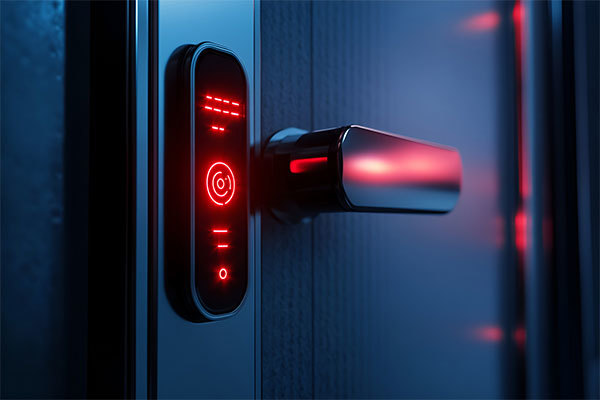
Smart electronic deadbolts combine traditional locking mechanisms with advanced technology. Typically, these locks can be controlled via smartphones, tablets, or integrated home automation systems. They often utilize Bluetooth, Z-Wave, or Wi-Fi connectivity, enabling users to lock and unlock their doors remotely.
Some key features of smart electronic deadbolts include:
- **Keyless Entry**: Users can access their homes without a physical key, using PIN codes, smartphone apps, or biometric scans.
- **Remote Access**: Control your lock from anywhere, receiving alerts and notifications about your door's status.
- **Access Logs**: Many smart deadbolts provide users with a history of who entered or exited their home and when.
By utilizing these features, homeowners can enhance their security while enjoying the convenience of modern technology.
4. Benefits of Smart Electronic Deadbolts
The benefits of opting for smart electronic deadbolts extend far beyond mere convenience. Here are several key advantages:
4.1 Enhanced Security
Smart locks come with numerous security features, including automatic locking, tamper alerts, and the ability to set up temporary access codes for visitors, ensuring that you can control who enters your home.
4.2 Convenience and Flexibility
Forgetfulness is no longer a concern. With **keyless entry**, you can enter your home effortlessly using your smartphone or a personal code. This is especially useful when your hands are full or when you’re coming home late at night.
4.3 Remote Monitoring and Notifications
Smart deadbolts can send real-time notifications to your smartphone, alerting you if someone enters your home. This monitoring capability enhances your awareness of what is happening around your property.
4.4 Integration with Smart Home Systems
Many smart electronic deadbolts can easily integrate into your existing smart home ecosystem, working alongside devices like smart lights, cameras, and alarm systems for a cohesive security strategy.
5. How Do Smart Electronic Deadbolts Work?
Understanding how smart electronic deadbolts function can help you appreciate their security benefits. At their core, these locks operate through electronic mechanisms powered by batteries or hardwired systems.
5.1 Connectivity
Smart deadbolts are typically connected to your home’s Wi-Fi or utilize Bluetooth technology. This connectivity allows you to control the lock via an app or through voice commands with smart assistants like Amazon Alexa or Google Assistant.
5.2 User Authentication
Authentication methods vary by model but commonly include PIN codes, mobile app access, or biometric scanning (like fingerprint recognition). The lock verifies the user's credentials before granting access.
5.3 Emergency Override
Most smart deadbolts include a physical key slot as a backup. In case of battery failure or other issues, users can still gain access using a traditional key.
6. Installing Smart Electronic Deadbolts
Installing a smart electronic deadbolt can be a straightforward process, often requiring just a few tools and a little time. Here are the general steps involved:
6.1 Gather Your Tools
Before starting, ensure you have a screwdriver, drill (if needed), and any other tools specified in the installation manual.
6.2 Remove the Old Lock
Begin by removing your existing deadbolt. Install the new smart deadbolt according to the manufacturer's instructions, ensuring all components fit securely.
6.3 Set Up Connectivity
Follow the manufacturer's guidelines to connect the smart deadbolt to your home’s Wi-Fi or Bluetooth. Download the associated app, and create an account if necessary.
6.4 Test the Functionality
Once installed, test the lock to ensure it operates correctly via both the app and any physical access methods (PIN, key, etc.).
7. Choosing the Right Smart Deadbolt for Your Home
Selecting the ideal smart electronic deadbolt for your home requires consideration of various factors. Here are some key points to keep in mind:
7.1 Security Features
Look for features such as auto-lock, tamper alerts, and advanced encryption protocols to ensure your home remains secure.
7.2 Compatibility
Ensure that the smart deadbolt is compatible with your existing smart home ecosystem. If you already use a specific platform (e.g., Apple HomeKit, Google Home), choose a lock that integrates seamlessly.
7.3 Battery Life
Consider models with long battery life or those that provide low-battery alerts to prevent unexpected lockouts.
7.4 User-Friendly App
Evaluate the associated app's user interface to ensure it is intuitive and easy to navigate. User reviews can provide insights into app performance.
8. Future Trends in Home Security Technology
As technology advances, we can expect several trends to shape the future of home security, particularly concerning smart electronic deadbolts:
8.1 AI Integration
Artificial intelligence may play a larger role in home security, helping to analyze patterns and detect anomalies in access behavior.
8.2 Enhanced Biometric Security
Future models may incorporate more advanced biometric features, such as facial recognition, providing a higher level of security.
8.3 Greater Home Automation Integration
As homes become increasingly automated, smart deadbolts will likely work in tandem with other security features, creating a comprehensive home safety net.
9. FAQs About Smart Electronic Deadbolts
9.1 Are smart electronic deadbolts safe?
Yes, smart electronic deadbolts offer advanced security features and encryption, making them a secure option for protecting your home.
9.2 What happens if the battery dies?
Most smart deadbolts include a physical key override, allowing you to enter your home even if the battery is dead.
9.3 Can I use my smartphone to unlock the door?
Yes, most smart deadbolts allow you to unlock your door using a smartphone app, provided the lock is connected to your home network.
9.4 How difficult is installation?
Installation can typically be done by homeowners in less than an hour, following the provided instructions. Basic tools are usually all that is required.
9.5 Can I give temporary access to guests?
Yes, many smart deadbolts allow you to create temporary access codes for guests, making it easy to grant access without giving out your main code.
10. Conclusion
The rise of **smart electronic deadbolts** marks a significant evolution in home security technology. These advanced locks not only provide enhanced safety features but also offer convenience and integration with other smart home devices. By understanding their benefits and how they work, homeowners can make informed decisions that will keep their families safe in an increasingly complex world.
As we look toward the future, it’s clear that smart electronic deadbolts will play an essential role in shaping home security, providing innovative solutions that adapt to our changing lifestyles. Investing in this technology is not just about securing your home; it's about embracing a smarter, more connected way of living.
Related News

Lockai Obtains Official UL 294 Certification for Commercial Hotel Smart Lock Systems
Foshan Lockai professional hotel smart lock factory gains UL 294 certification. Our UL-certified hotel door locks meet North America commercial building safety codes, ideal for hotel, apartment and resort projects. Full OEM/ODM & one-stop hotel lock system solutions available.

Follow Lockai Lock Industry

Mobile Official Website
Lockai Lock Industry

Address: Building 10, Room 603, Optoelectronics Industrial Park, Leliu Street, Shunde District, Foshan City, Guangdong Province
Technical Support:China Enterprise Dynamics Shunde SEO Tags