
Guest Safety and Comfort: The Role of Smart Inductive Hotel Locks
2025-12-03


Guest Safety and Comfort: The Role of Smart Inductive Hotel Locks
In the evolving landscape of the hospitality industry, ensuring guest safety and comfort is paramount. One of the most significant advancements in hotel security is the introduction of smart inductive hotel locks. These locks are not merely a trend; they represent a fundamental shift in how hotels manage access and improve guest experiences. This comprehensive article delves into the importance of smart inductive hotel locks, their technology, advantages, and impact on overall hotel operations.
Understanding Smart Inductive Hotel Locks
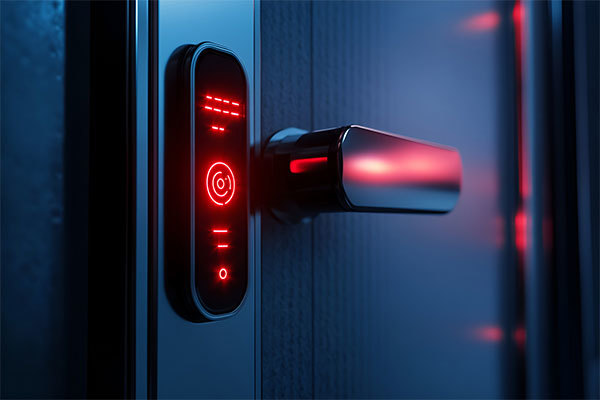
Smart inductive hotel locks utilize advanced technology to provide secure and convenient access to hotel rooms. Unlike traditional locks that rely on physical keys, these systems function via electronic access control, allowing guests to enter their rooms using smartphones, key cards, or biometric identifiers.
The Technology Behind Smart Inductive Locks
At the core of smart inductive locks is a technology known as inductive coupling. This technique involves two coils: one in the lock and the other in the keycard or mobile device. When the device is brought close to the lock, it generates a magnetic field that powers the lock, allowing it to unlock. This system offers enhanced security by eliminating the risk of unauthorized key duplication.
Key Features of Smart Inductive Hotel Locks
- Keyless Entry: Guests can use mobile apps or smart cards, enhancing convenience and security.
- Real-Time Monitoring: Hotel staff can monitor lock status and guest access in real-time, ensuring a swift response to any security issues.
- Integration with Hotel Management Software: These locks can integrate seamlessly with property management systems, streamlining operations.
- Data Security: Advanced encryption methods protect user data, ensuring privacy and safety.
The Advantages of Smart Inductive Hotel Locks
Enhanced Guest Safety
Guest safety is a primary concern for hotels. Smart inductive locks offer multiple layers of security, reducing the chances of unauthorized access. With features such as automatic locking and temporary access codes for staff, hotels can ensure that guests feel secure in their rooms.
Convenience and Comfort for Guests
Guests appreciate the ease of keyless entry. Checking in and out becomes a streamlined process, allowing them to bypass long lines at the front desk. The ability to use their smartphones as room keys adds an extra layer of convenience. Furthermore, guests can share temporary access with family members, enhancing their overall experience.
Cost-Effectiveness for Hotel Operators
Though the initial investment in smart inductive locks may be higher than traditional systems, the long-term benefits outweigh the costs. Hotels can save on key replacement expenses and reduce the need for physical keycard management. Moreover, the integration with management systems allows for more efficient operations, leading to cost savings across the board.
Improved Operational Efficiency
Smart inductive locks streamline hotel operations. Maintenance staff can quickly and easily access rooms for cleaning or repairs without the need for physical keys. Additionally, hotel management can monitor access logs to identify trends or areas of concern, thereby enhancing overall security management.
Implementing Smart Inductive Hotel Locks: A Step-by-Step Guide
Transitioning to smart inductive locks requires careful planning and execution. Here’s a step-by-step guide for hotels considering this upgrade:
Step 1: Assess Current Security Systems
Before implementing smart inductive locks, hotels should conduct a thorough assessment of their existing security systems. Understanding current weaknesses will help in selecting the appropriate technology that meets both security and guest comfort needs.
Step 2: Choose the Right Technology Partner
Selecting a reputable vendor is crucial for success. Look for a partner with experience in the hospitality sector, and ensure they offer robust support and customization options. An experienced partner will assist in integrating the locks with existing property management systems.
Step 3: Plan the Installation Process
Coordinate with your chosen vendor to develop an installation timeline that minimizes disruption to guests. Consider phased installations, starting with key areas of the hotel before a full rollout.
Step 4: Train Staff on New Systems
Proper training is essential for staff to utilize the new systems effectively. Training should cover everything from troubleshooting common issues to understanding how to manage guest access.
Step 5: Gather Guest Feedback
After implementation, gather guest feedback to assess the effectiveness of the new locks. This feedback can provide insights into areas for improvement and help ensure the system meets guest expectations.
Security Considerations for Smart Inductive Hotel Locks
While smart inductive locks offer enhanced security features, there are still potential threats to consider. Understanding these threats is crucial for maintaining guest safety.
Potential Vulnerabilities
- Cybersecurity Risks: As smart locks connect to the internet, they may be vulnerable to hacking attempts.
- Physical Tampering: Although difficult, determined individuals might attempt to tamper with the lock hardware.
Mitigation Strategies
Hotels should implement robust cybersecurity protocols, including regular software updates and encryption measures. Staff training on recognizing fraudulent activities and maintaining physical security can further enhance safety.
Case Studies: Success Stories of Smart Inductive Hotel Locks
Case Study 1: Hotel XYZ
Hotel XYZ implemented smart inductive locks in all rooms and experienced a 30% reduction in security-related incidents. Guests reported higher satisfaction rates due to the convenience and security offered by the keyless entry system.
Case Study 2: Luxury Resort ABC
Luxury Resort ABC integrated smart locks with their mobile app, allowing guests to unlock their rooms with smartphones. This led to a significant increase in positive online reviews, as guests praised the seamless experience and enhanced security.
Future Trends in Hotel Lock Technology
The hospitality industry is constantly evolving, and as technology advances, so too will hotel locking systems. Future trends may include:
Biometric Access Systems
Biometric systems, such as fingerprint or facial recognition, could become standard, offering even greater security and personalization for guests.
AI-Powered Security Features
Artificial intelligence could play a role in monitoring access patterns and identifying suspicious activities, enhancing overall security management.
Integration with Smart Room Technologies
Future locks may integrate with other smart technologies in hotel rooms, allowing guests to control lighting, temperature, and entertainment systems through the same mobile app used for room access.
Conclusion
Smart inductive hotel locks represent a significant leap forward in enhancing guest safety and comfort. As hotels adopt this technology, they not only improve security but also elevate the overall guest experience. By understanding the technology, advantages, and implementation strategies, hotel operators can ensure their properties remain at the forefront of hospitality innovation. As we look to the future, the integration of advanced locking systems will play a critical role in defining guest experiences and maintaining hotel security.
FAQs
1. What is a smart inductive hotel lock?
A smart inductive hotel lock is an advanced locking system that uses electronic access control, allowing guests to enter their rooms using smartphones, key cards, or biometric identifiers.
2. How do smart inductive locks improve guest safety?
Smart inductive locks enhance safety by eliminating the risk of unauthorized key duplication, providing real-time monitoring, and offering temporary access codes for staff, increasing overall security measures.
3. Are smart inductive locks cost-effective for hotels?
While the initial investment may be higher, the long-term savings on key replacement, streamlined operations, and increased guest satisfaction make smart inductive locks a cost-effective choice for hotels.
4. How can hotels implement smart inductive locks?
Hotels should assess their current security systems, choose a reliable technology partner, plan the installation process, train staff, and gather guest feedback for a successful implementation.
5. What are the potential risks associated with smart inductive locks?
Potential risks include cybersecurity threats and physical tampering. However, these risks can be mitigated through strong cybersecurity protocols and staff training on security practices.
Related News

Lockai Obtains Official UL 294 Certification for Commercial Hotel Smart Lock Systems


Follow Lockai Lock Industry

Mobile Official Website
Lockai Lock Industry

Address: Building 10, Room 603, Optoelectronics Industrial Park, Leliu Street, Shunde District, Foshan City, Guangdong Province
Technical Support:China Enterprise Dynamics Shunde SEO Tags