
The Evolution of Hotel Door Locks: A Journey Through Time
2025-12-02


The Evolution of Hotel Door Locks: A Journey Through Time
Table of Contents
1. Introduction to Hotel Door Locks
2. Historical Overview of Door Locks
3. Advancements in Lock Technology
4. The Role of Security in Hotels
5. The Rise of Electronic Locks
6. Smart Locks in Modern Hotels
7. Sustainability and Lock Design
8. Future Trends in Hotel Locks
9. FAQs
10.
The Evolution of Hotel Door Locks: A Journey Through Time
Table of Contents
- 1. Introduction to Hotel Door Locks
- 2. Historical Overview of Door Locks
- 3. Advancements in Lock Technology
- 4. The Role of Security in Hotels
- 5. The Rise of Electronic Locks
- 6. Smart Locks in Modern Hotels
- 7. Sustainability and Lock Design
- 8. Future Trends in Hotel Locks
- 9. FAQs
- 10. Conclusion
1. Introduction to Hotel Door Locks
In the dynamic world of hospitality, security is paramount. Hotel door locks serve as the first line of defense for guests and their possessions. This article delves into the evolution of hotel door locks, highlighting key developments that have transformed these essential security devices over the centuries.
2. Historical Overview of Door Locks
The history of locks dates back thousands of years. The earliest known lock, discovered in the ruins of Nineveh, was made of wood and used a pin tumbler mechanism. Ancient civilizations, including the Egyptians and Romans, improved lock designs, leading to more complex mechanisms.
By the Middle Ages, locks had become more sophisticated, often featuring intricate designs and robust materials. These locks were not only functional but also served as decorative elements, showcasing craftsmanship.
2.1 The Development of Mechanical Locks
The 18th and 19th centuries marked a significant turning point in the evolution of locks. The introduction of mass production techniques made locks more accessible to the general public. Innovations such as the lever lock and the combination lock emerged during this period, laying the groundwork for modern locking systems.
3. Advancements in Lock Technology
With the advent of the 20th century, advancements in technology began to influence lock design significantly. The introduction of new materials, such as steel and brass, increased durability and security. Furthermore, the development of standardized key systems made locks easier to use and manufacture.
3.1 The Impact of World Wars
Both World Wars spurred technological advancements in various industries, including mechanics. Lock manufacturers began to explore new materials and designs to enhance security. This period saw the rise of more sophisticated locking mechanisms, which became essential in securing military installations and personnel.
4. The Role of Security in Hotels
In the hospitality industry, security is critical for maintaining guest trust and satisfaction. Hotel management must prioritize safety to create a welcoming environment. Guestroom locks must not only prevent unauthorized access but also offer a sense of security to guests.
4.1 Understanding Guest Concerns
Today's travelers are increasingly aware of security issues, seeking accommodations that prioritize guest safety. A hotel’s choice of locking mechanisms can significantly influence customer perception and satisfaction, making it vital to stay updated with the latest security technologies.
5. The Rise of Electronic Locks
As technology progressed, electronic locks began to replace traditional mechanical systems in many hotels. These locks offer numerous advantages, such as keyless entry and remote access management.
5.1 The Benefits of Electronic Locks
Electronic locks provide enhanced security features, such as audit trails and the ability to change access codes remotely. These capabilities allow hotel managers to monitor access and respond swiftly to security breaches.
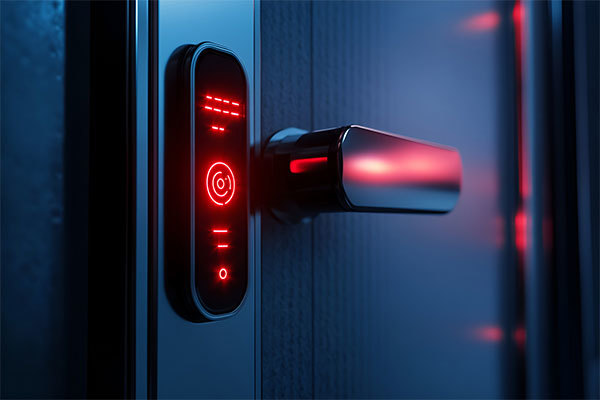
6. Smart Locks in Modern Hotels
The rise of the Internet of Things (IoT) has ushered in a new era of smart locks in the hospitality sector. Smart locks offer guests unprecedented convenience, enabling them to access their rooms using mobile devices or biometrics.
6.1 How Smart Locks Enhance Guest Experience
Smart locks streamline the check-in process, allowing guests to bypass the front desk. This convenience is particularly appealing to tech-savvy travelers who value efficiency.
7. Sustainability and Lock Design
As environmental concerns grow, the hospitality industry is increasingly focused on sustainability. Lock manufacturers are exploring eco-friendly materials and designs that minimize environmental impact.
7.1 The Importance of Sustainable Practices
Implementing sustainable practices in lock design not only benefits the environment but also appeals to eco-conscious travelers. Hotels that prioritize green initiatives often attract guests who value sustainability, enhancing their marketability.
8. Future Trends in Hotel Locks
The future of hotel door locks promises continued innovation. Trends such as biometric identification, AI-enhanced security, and further integration of smart technologies are on the horizon.
8.1 The Role of AI in Security
Artificial intelligence can analyze guest behavior and enhance security protocols, making it a game-changer for hotel management. AI-driven systems can detect unusual patterns and alert staff to potential threats in real-time.
9. FAQs
9.1 What types of locks are used in hotels?
Hotels typically use a variety of locks, including traditional mechanical locks, electronic locks, and smart locks, depending on their security needs and guest preferences.
9.2 How do electronic hotel locks work?
Electronic locks use key cards or mobile devices for entry. They are programmed to allow access and can be rekeyed remotely by hotel staff.
9.3 Are smart locks safe for hotels?
Yes, smart locks are designed with advanced security features, making them a safe choice for hotels. They often include encryption and secure access protocols.
9.4 What is the average lifespan of a hotel lock?
The lifespan of a hotel lock can vary, but electronic locks typically last between 7 to 10 years with proper maintenance.
9.5 How can hotels enhance their security measures?
Hotels can enhance security by implementing advanced locking systems, conducting regular security audits, and training staff on emergency procedures.
10. Conclusion
The journey of hotel door locks is a testament to human ingenuity and the constant pursuit of security and convenience. From ancient mechanisms to cutting-edge smart technology, the evolution of hotel locks reflects the changing landscape of the hospitality industry. As we move forward, embracing innovative technologies while prioritizing sustainability will be crucial for hotels seeking to provide enhanced security and exceptional guest experiences. Understanding these developments not only enriches our appreciation for hotel security but also prepares us for future advancements in this essential aspect of hospitality.
Related News

Lockai Obtains Official UL 294 Certification for Commercial Hotel Smart Lock Systems
Foshan Lockai professional hotel smart lock factory gains UL 294 certification. Our UL-certified hotel door locks meet North America commercial building safety codes, ideal for hotel, apartment and resort projects. Full OEM/ODM & one-stop hotel lock system solutions available.


Follow Lockai Lock Industry

Mobile Official Website
Lockai Lock Industry

Address: Building 10, Room 603, Optoelectronics Industrial Park, Leliu Street, Shunde District, Foshan City, Guangdong Province
Technical Support:China Enterprise Dynamics Shunde SEO Tags