
Transforming Security: Smart Inductive Hotel Locks Explained
2025-11-23


Transforming Security: Smart Inductive Hotel Locks Explained
Table of Contents
1. Introduction to Smart Inductive Hotel Locks
2. The Need for Enhanced Security in Hotels
3. How Smart Inductive Locks Work
3.1. The Technology Behind Inductive Locks
3.2. Keyless Entry Systems Explained
4. Advantages of Smart Inductive Hotel Locks
4.1. Enhanced Security Features
4.2. Improved Guest E
Transforming Security: Smart Inductive Hotel Locks Explained
Table of Contents
1. Introduction to Smart Inductive Hotel Locks
2. The Need for Enhanced Security in Hotels
3. How Smart Inductive Locks Work
3.1. The Technology Behind Inductive Locks
3.2. Keyless Entry Systems Explained
4. Advantages of Smart Inductive Hotel Locks
4.1. Enhanced Security Features
4.2. Improved Guest Experience
5. Implementing Smart Inductive Locks in Hotels
5.1. Installation Considerations
5.2. Integration with Hotel Management Systems
6. The Future of Hotel Security: Trends and Innovations
7. Frequently Asked Questions
8. Conclusion
1. Introduction to Smart Inductive Hotel Locks
The rise of smart technology has transformed various industries, including hospitality. As hotels strive to enhance guest experiences while ensuring safety, smart inductive hotel locks have emerged as a cutting-edge solution. These locks provide advanced security features coupled with convenience, making them an attractive option for modern hotels. In this article, we will explore how smart inductive locks work, their benefits, and their potential to redefine hotel security.
2. The Need for Enhanced Security in Hotels
In an era where security is paramount, hotels face the challenge of ensuring the safety of their guests and their belongings. Traditional locking systems often fall short, leading to vulnerabilities that can compromise safety. Guests are increasingly concerned about security, making it essential for hotels to adopt innovative solutions. Smart inductive locks not only address these concerns but also elevate the overall guest experience.
3. How Smart Inductive Locks Work
Smart inductive locks leverage advanced technology to provide a secure and convenient access solution for hotel guests. Understanding the inner workings of these locks is crucial for appreciating their advantages.
3.1. The Technology Behind Inductive Locks
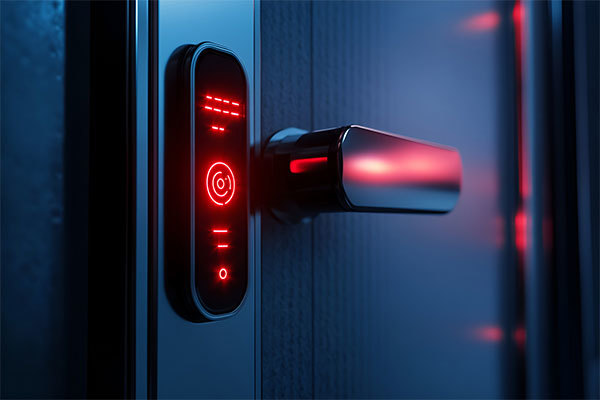
Inductive locks utilize electromagnetic induction principles to function. These locks consist of a reader that communicates with a keycard or smartphone through an electromagnetic field. When guests approach their room, the lock recognizes the encrypted signals from the keycard or mobile device, allowing them to unlock the door seamlessly.
3.2. Keyless Entry Systems Explained
Keyless entry systems are a significant component of smart inductive locks. Instead of traditional metal keys, guests receive keycards or use their smartphones to gain access. This technology enhances security by reducing the risk of lost or duplicated keys and allows for easier reprogramming in case of lost access devices.
4. Advantages of Smart Inductive Hotel Locks
Adopting smart inductive locks comes with a myriad of benefits that enhance both security and guest satisfaction.
4.1. Enhanced Security Features
One of the primary advantages of smart inductive locks is their robust security features. These locks often include encryption technologies that protect against hacking and unauthorized access. Additionally, many smart locks allow for real-time monitoring, enabling hotel staff to keep track of who enters and exits rooms, thereby enhancing safety.
4.2. Improved Guest Experience
Guests appreciate convenience, and smart inductive locks offer just that. With keyless entry options, guests can access their rooms without fumbling for traditional keys. This not only streamlines the check-in process but also allows for a more personalized experience, as hotels can offer mobile check-in or access via smartphone apps.
5. Implementing Smart Inductive Locks in Hotels
Transitioning to smart inductive locks involves careful planning and execution. Here are some key considerations for effective implementation.
5.1. Installation Considerations
When installing smart inductive locks, hotels must evaluate their existing infrastructure. Older doors may require modifications or replacements to accommodate new locking systems. It’s also essential to ensure that the locks are compatible with other security systems already in place.
5.2. Integration with Hotel Management Systems
For maximum efficacy, smart locks should integrate seamlessly with hotel management systems. This integration allows for efficient tracking of room occupancy, keycard management, and guest preferences. A well-integrated system enhances operational efficiency and streamlines guest services.
6. The Future of Hotel Security: Trends and Innovations
As technology continues to evolve, so too will the landscape of hotel security. Here are some trends and innovations we can expect to see in the near future.
- **Increased Use of Biometrics**: Biometrics, such as fingerprint or facial recognition, may become more prevalent in hotel security systems.
- **Artificial Intelligence**: AI can help analyze security metrics and predict potential vulnerabilities, allowing hotels to respond proactively.
- **Enhanced Privacy Features**: As guests become more privacy-conscious, hotels may implement systems that provide greater control over who can access guest information and rooms.
7. Frequently Asked Questions
What are smart inductive hotel locks?
Smart inductive hotel locks are advanced locking systems that use electromagnetic induction technology for secure, keyless entry.
How secure are smart inductive locks?
Smart inductive locks are generally very secure, utilizing encryption technologies and real-time monitoring to prevent unauthorized access.
Can I use my smartphone as a key?
Yes, many smart inductive locks allow guests to use their smartphones as keys, providing a convenient and secure access method.
What should hotels consider before implementing smart locks?
Hotels should assess their existing infrastructure, ensure compatibility with other systems, and plan for the installation process before implementing smart locks.
Are smart inductive locks expensive?
While the initial investment for smart inductive locks may be higher than traditional locks, the long-term savings from reduced security risks and improved operational efficiency often justify the cost.
8. Conclusion
The emergence of smart inductive hotel locks marks a significant step forward in enhancing security and improving guest experiences in the hospitality industry. As hotels increasingly prioritize safety and convenience, these advanced locking systems provide a solution that meets both needs. By understanding how smart inductive locks work, their benefits, and the trends shaping the future of hotel security, hotel operators can make informed decisions that not only secure their properties but also enrich their guests' experiences. Embracing this technology is not just an upgrade in security; it’s a commitment to innovation and excellence in hospitality.
Related News

Lockai Obtains Official UL 294 Certification for Commercial Hotel Smart Lock Systems
Foshan Lockai professional hotel smart lock factory gains UL 294 certification. Our UL-certified hotel door locks meet North America commercial building safety codes, ideal for hotel, apartment and resort projects. Full OEM/ODM & one-stop hotel lock system solutions available.


Follow Lockai Lock Industry

Mobile Official Website
Lockai Lock Industry

Address: Building 10, Room 603, Optoelectronics Industrial Park, Leliu Street, Shunde District, Foshan City, Guangdong Province
Technical Support:China Enterprise Dynamics Shunde SEO Tags