
Enhancing Guest Safety with Advanced Hotel Door Locks: The Future of Secure Accommodations
2025-11-22


Enhancing Guest Safety with Advanced Hotel Door Locks
In today’s competitive hospitality industry, guest safety is paramount. As hotels strive to provide a secure and welcoming environment, the evolution of door lock technology plays a critical role. This comprehensive guide examines how advanced hotel door locks enhance guest safety, ensuring peace of mind and elevating the overall guest experience.
The Importance of Hotel Door Locks in Guest Safety
When lodging at a hotel, guests expect a secure atmosphere. The door locks are the first line of defense against unauthorized access, making them essential for ensuring safety. With rising security concerns and the increasing sophistication of criminal activities, hotels cannot afford to overlook the importance of high-quality locking systems. A secure door lock not only protects guests’ belongings but also fosters trust and loyalty.
Understanding the Evolution of Door Lock Technology
The journey of door locks from traditional mechanical systems to modern electronic solutions is fascinating. Mechanical locks, while reliable, often lack the flexibility and security features required in today’s fast-paced world. Electronic locks present a wide array of advantages, including:
- Increased security: They often include features such as anti-theft alarms and encryption.
- Convenience: Key cards or mobile access eliminate the need for traditional keys.
- Remote management: Hotel staff can manage guest access permissions remotely, improving operational efficiency.
Types of Advanced Hotel Door Locks
Understanding the various types of advanced hotel door locks is crucial for making informed decisions. Here are some leading options:
Smart Locks
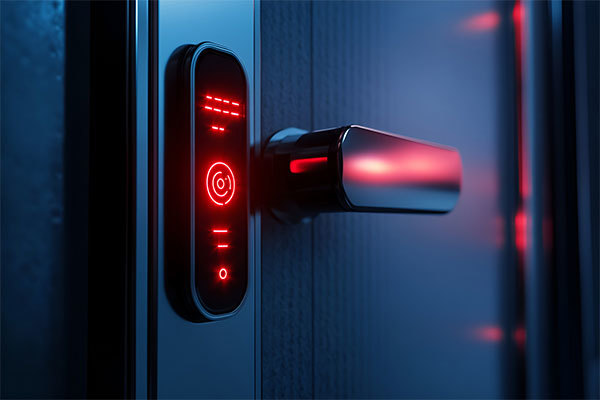
Smart locks utilize Bluetooth or Wi-Fi technology, allowing guests to unlock their doors using smartphones. These locks can also be integrated with hotel management systems, enabling real-time access control.
Keyless Entry Systems
Keyless entry systems replace traditional metal keys with smart cards or biometric identifiers. These systems increase security by reducing the risk of key duplication and unauthorized access.
Biometric Locks
Biometric locks offer the highest level of security. By using fingerprints or retinal scans, these locks ensure that only authorized individuals can access the room.
Advantages of Upgrading to Advanced Door Lock Systems
Investing in advanced hotel door locks brings numerous benefits that extend beyond enhanced security:
1. Increased Guest Confidence and Satisfaction
Guests are more likely to choose a hotel that prioritizes their safety. Featuring advanced locking systems demonstrates a commitment to security, fostering positive reviews and repeat visits. Satisfaction ratings often improve with enhanced safety measures in place.
2. Reduced Operating Costs
Although the initial investment may be higher, advanced locking systems can lead to cost savings in the long run. They reduce the likelihood of theft, damage, and the need for frequent rekeying. Additionally, smart locks decrease the workload on staff by streamlining access management.
3. Better Integration with Hotel Management Systems
Modern door locks can seamlessly integrate with hotel management software, enabling efficient operations. Real-time data on room occupancy, lock status, and guest access can enhance decision-making and improve service delivery.
4. Enhanced Emergency Preparedness
Advanced door lock systems often include features that facilitate quick responses during emergencies. For instance, hotels can instantly lock or unlock multiple doors remotely, ensuring the safety of guests in critical situations.
Best Practices for Choosing Hotel Door Locks
Selecting the right hotel door locks involves careful consideration of various factors:
1. Assess Hotel Size and Layout
Understanding the hotel’s size and layout is crucial. Larger hotels may benefit from systems that offer centralized management, while boutique hotels may opt for simpler solutions that maintain their aesthetic appeal.
2. Evaluate Guest Demographics
Consider the preferences and needs of your guests. Business travelers may prioritize convenience, while families might seek enhanced safety features. Tailoring your locking solutions to your target audience can significantly enhance guest satisfaction.
3. Look for Scalability and Future-Proofing
Choose locking systems that can scale with your hotel’s growth. As technology evolves, it’s essential to invest in solutions that can adapt to future advancements without requiring a complete overhaul.
4. Consider Integration with Other Security Systems
Look for locks that can integrate with your hotel’s existing security systems, such as surveillance cameras, alarms, and access control measures. A holistic approach to security creates a more robust defense against potential threats.
5. Seek Professional Installation
Professional installation is key to ensuring the effectiveness of advanced locking systems. Skilled technicians can guarantee proper setup and functionality, reducing the risk of malfunctions that could compromise security.
Installation and Maintenance of Advanced Hotel Door Locks
Proper installation and maintenance are vital for maximizing the lifespan and security of hotel door locks:
1. Planning the Installation Process
Before installation, conduct a thorough assessment of the hotel premises. Identify high-risk areas that may require additional security measures. Collaborating with experienced locksmiths or security professionals will ensure a well-planned installation process.
2. Regular Maintenance Checks
Routine maintenance checks help identify potential issues before they become significant problems. Schedule regular inspections to ensure that locks function correctly and to address any wear and tear caused by daily use.
3. Staff Training and Awareness
All hotel staff should receive training on the operation and management of advanced locking systems. Educating employees about security protocols will foster a culture of safety and vigilance throughout the hotel.
Guest Education on Security Features
Informing guests about the security features of their room is essential for peace of mind:
1. Orientation on Lock Operation
Upon check-in, provide guests with clear instructions on how to operate electronic locks. Offering written materials or visual aids can be beneficial in ensuring guests feel confident in using the technology.
2. Highlighting Safety Features
Take the opportunity to highlight safety features, such as automatic locking mechanisms or emergency exit protocols. When guests understand the measures in place, they are more likely to feel secure during their stay.
Case Studies: Successful Implementations of Advanced Hotel Door Locks
Several hotels worldwide have successfully implemented advanced door locking systems, yielding remarkable results:
1. The Ritz-Carlton
The Ritz-Carlton chain has invested heavily in smart locking systems that allow guests to access their rooms via mobile devices. This innovation has significantly enhanced guest satisfaction and contributed to a decrease in lost key incidents.
2. Marriott Hotels
Marriott has also adopted keyless entry technology across many of its properties. Feedback from guests indicates a strong preference for the convenience and security offered by mobile access.
Future Trends in Hotel Door Lock Technology
As technology continues to evolve, several trends are emerging in the realm of hotel door locks:
1. Integration of AI and Machine Learning
Artificial Intelligence (AI) and machine learning will increasingly play a role in enhancing security features. These technologies can analyze guest behavior and predict potential security breaches, allowing hotels to respond proactively.
2. Biometric Innovations
Biometric locking systems are expected to become more widespread, offering enhanced security through unique personal identifiers. This trend will likely appeal to guests seeking the utmost in safety.
3. Eco-Friendly Solutions
With growing environmental concerns, sustainable locking systems that reduce energy consumption and utilize recyclable materials will become more popular among eco-conscious hotels.
Frequently Asked Questions (FAQs)
1. How do advanced hotel door locks enhance guest safety?
Advanced hotel door locks provide enhanced security features such as smart access control, remote management, and integration with security systems, significantly improving guest safety.
2. Are smart locks safe for hotels?
Yes, smart locks utilize encryption and multiple authentication methods to ensure safety. They often include features like alerts for unauthorized access attempts.
3. How often should hotel door locks be maintained?
Regular maintenance checks are recommended every six months to ensure locks operate correctly and address any wear and tear.
4. What should we consider when choosing hotel door locks?
Consider factors such as hotel size, guest demographics, integration capabilities, and the scalability of the locking system when making your selection.
5. Can guests use their smartphones to unlock doors?
Yes, many advanced locking systems allow guests to use their smartphones as digital keys, providing convenience and enhanced security.
Conclusion
Enhancing guest safety through advanced hotel door locks is not just a trend; it’s a necessity in today’s hospitality landscape. As hotels invest in innovative locking systems, they not only protect their guests but also bolster their reputation and operational efficiency. By understanding the various locking technologies, making informed purchasing decisions, and maintaining these systems, hotels can create a safe and welcoming environment that leads to increased guest satisfaction and loyalty. Embrace the future of hotel security and watch your establishment thrive!
Related News

Lockai Obtains Official UL 294 Certification for Commercial Hotel Smart Lock Systems


Follow Lockai Lock Industry

Mobile Official Website
Lockai Lock Industry

Address: Building 10, Room 603, Optoelectronics Industrial Park, Leliu Street, Shunde District, Foshan City, Guangdong Province
Technical Support:China Enterprise Dynamics Shunde SEO Tags