
Enhancing Home Security: The Benefits of Smart Electronic Deadbolts
2025-11-14


Enhancing Home Security: The Benefits of Smart Electronic Deadbolts
Table of Contents
1. Introduction to Smart Electronic Deadbolts
2. What Are Smart Electronic Deadbolts?
3. Key Benefits of Smart Electronic Deadbolts
3.1 Enhanced Security Features
3.2 Convenience of Use and Access
3.3 Remote Access and Control
3.4 Integration with Smart Home Systems
4. I
Enhancing Home Security: The Benefits of Smart Electronic Deadbolts
Table of Contents
- 1. Introduction to Smart Electronic Deadbolts
- 2. What Are Smart Electronic Deadbolts?
- 3. Key Benefits of Smart Electronic Deadbolts
- 3.1 Enhanced Security Features
- 3.2 Convenience of Use and Access
- 3.3 Remote Access and Control
- 3.4 Integration with Smart Home Systems
- 4. Installation and Maintenance of Smart Deadbolts
- 5. Choosing the Right Smart Electronic Deadbolt
- 6. Common Questions About Smart Electronic Deadbolts
- 6.1 Do I Need Wi-Fi for Smart Deadbolts?
- 6.2 How Long Do Smart Deadbolt Batteries Last?
- 6.3 Are Smart Deadbolts Vulnerable to Hacking?
- 6.4 Can I Use a Key with Smart Deadbolts?
- 6.5 What If the Power Goes Out?
- 7. Conclusion
1. Introduction to Smart Electronic Deadbolts
In our increasingly digital world, home security is more critical than ever. With rising concerns about break-ins and thefts, homeowners are seeking innovative solutions to safeguard their properties. One of the most effective advancements in security technology is the **smart electronic deadbolt**. These modern locking systems offer enhanced protection, convenience, and integration with various smart home devices, making them a popular choice for homeowners looking to elevate their security measures.
2. What Are Smart Electronic Deadbolts?
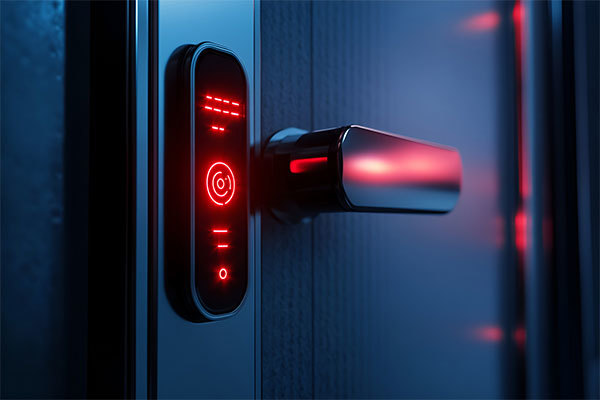
Smart electronic deadbolts are advanced locking mechanisms that replace traditional keys with electronic access methods. These locks typically utilize a combination of a keypad, smartphone app, or even biometric recognition to grant access to your home. The major advantage of these deadbolts lies in their ability to provide not only enhanced security but also features that traditional locks simply cannot offer.
Understanding the Technology Behind Smart Deadbolts
Most smart electronic deadbolts operate via Wi-Fi or Bluetooth connections, allowing you to access and control them remotely through a smartphone application. This technology enables homeowners to lock or unlock their doors from virtually anywhere, providing unprecedented convenience and peace of mind.
3. Key Benefits of Smart Electronic Deadbolts
Choosing smart electronic deadbolts over traditional locks comes with a multitude of benefits that enhance both security and convenience. Let’s delve into some of the key advantages:
3.1 Enhanced Security Features
Smart electronic deadbolts are designed with advanced security features that make it exceedingly difficult for intruders to breach your home's security. Some of these features include:
- **Auto-locking Mechanisms**: Many smart deadbolts can automatically lock your door after a specified time, ensuring you never forget to lock up.
- **Tamper Alerts**: Receive real-time notifications if someone attempts to tamper with your lock.
- **Temporary Access Codes**: Provide guests, maintenance workers, or service personnel with temporary access without giving out a physical key.
3.2 Convenience of Use and Access
The convenience that smart electronic deadbolts offer is unparalleled. With options such as:
- **Keypad Access**: Entering a code to unlock your door means no more fumbling for keys.
- **Keyless Entry**: Forgetting your keys is a thing of the past, as you can access your home using just your smartphone.
- **Guest Access Management**: Easily send digital keys to friends or family for easy entry without the need to be physically present.
3.3 Remote Access and Control
One of the standout features of smart electronic deadbolts is their ability to offer **remote access and control**. This means that you can check the status of your door and lock or unlock it from anywhere, giving you peace of mind, especially when traveling.
3.4 Integration with Smart Home Systems
Smart electronic deadbolts can seamlessly integrate with existing smart home systems, such as Google Home or Amazon Alexa. This integration allows you to control your deadbolt with voice commands and set it to work alongside other smart devices, enhancing your overall home automation experience.
4. Installation and Maintenance of Smart Deadbolts
Installing a smart electronic deadbolt is typically a straightforward process that can be completed in a matter of minutes. Most models come with detailed instructions, and many do not require professional installation. However, if you're unsure, hiring a professional locksmith can ensure that the deadbolt is installed correctly.
Regular Maintenance for Optimal Performance
While smart electronic deadbolts are generally low-maintenance, periodic checks and updates are essential for optimal performance:
- **Battery Replacement**: Regularly check and replace batteries as needed, usually every 6-12 months, depending on the model.
- **Software Updates**: Make sure to keep your smart deadbolt's software updated to protect against vulnerabilities and enhance performance.
5. Choosing the Right Smart Electronic Deadbolt
Selecting the best smart electronic deadbolt for your home requires careful consideration of several factors:
- **Compatibility with Your Door**: Ensure that the deadbolt you choose fits your existing door frame and hardware.
- **Features That Suit Your Needs**: Decide which features are most important to you—be it remote access, voice control, or integration with other smart home devices.
- **Brand Reputation and Reviews**: Research brands and read customer reviews to find a product that offers reliability and good customer support.
6. Common Questions About Smart Electronic Deadbolts
6.1 Do I Need Wi-Fi for Smart Deadbolts?
While many smart deadbolts operate via Wi-Fi, some models function using Bluetooth, allowing you to unlock your door when you're in close proximity without needing an internet connection.
6.2 How Long Do Smart Deadbolt Batteries Last?
Battery life typically ranges from 6 to 12 months, depending on usage and the specific lock model. Smart locks often provide low-battery alerts to prompt replacement.
6.3 Are Smart Deadbolts Vulnerable to Hacking?
While no technology is completely immune to hacking, reputable smart deadbolts include encryption and security measures to protect your home. Regular firmware updates can further enhance security.
6.4 Can I Use a Key with Smart Deadbolts?
Many smart electronic deadbolts come with a traditional key option, providing a backup in case of battery failure or other issues.
6.5 What If the Power Goes Out?
Smart electronic deadbolts typically rely on battery power, meaning you can still access your home even during a power outage.
7. Conclusion
Smart electronic deadbolts represent a significant advancement in home security technology. With enhanced security features, convenience, and seamless integration into smart home ecosystems, these locks not only protect your home but also simplify your life. As modern threats evolve, investing in a smart electronic deadbolt offers homeowners peace of mind and a proactive approach to safeguarding their properties. By understanding their features and benefits, you can make an informed decision that enhances your home's security for years to come.
Related News

Lockai Obtains Official UL 294 Certification for Commercial Hotel Smart Lock Systems
Foshan Lockai professional hotel smart lock factory gains UL 294 certification. Our UL-certified hotel door locks meet North America commercial building safety codes, ideal for hotel, apartment and resort projects. Full OEM/ODM & one-stop hotel lock system solutions available.

Follow Lockai Lock Industry

Mobile Official Website
Lockai Lock Industry

Address: Building 10, Room 603, Optoelectronics Industrial Park, Leliu Street, Shunde District, Foshan City, Guangdong Province
Technical Support:China Enterprise Dynamics Shunde SEO Tags