
Why Smart Inductive Hotel Locks Are Revolutionizing Guest Experience
2025-11-13


Why Smart Inductive Hotel Locks Are Revolutionizing Guest Experience
Table of Contents
1. Introduction to Smart Inductive Hotel Locks
2. What Are Smart Inductive Hotel Locks?
3. How Do Smart Inductive Hotel Locks Work?
4. Enhanced Security Features of Smart Inductive Locks
5. Streamlined Guest Experience with Smart Locks
6. Costs and Savings for Hotels Usin
Why Smart Inductive Hotel Locks Are Revolutionizing Guest Experience
Table of Contents
- 1. Introduction to Smart Inductive Hotel Locks
- 2. What Are Smart Inductive Hotel Locks?
- 3. How Do Smart Inductive Hotel Locks Work?
- 4. Enhanced Security Features of Smart Inductive Locks
- 5. Streamlined Guest Experience with Smart Locks
- 6. Costs and Savings for Hotels Using Smart Inductive Locks
- 7. The Future of Hotel Security and Guest Experience
- 8. Frequently Asked Questions
- 9. Conclusion
1. Introduction to Smart Inductive Hotel Locks
The hospitality industry is continually evolving, driven by advancements in technology that enhance guest satisfaction and operational efficiency. One notable innovation is the **smart inductive hotel lock** system. These locks not only improve security but also offer guests a seamless experience, redefining what it means to stay in a hotel. In this article, we will explore the various aspects of smart inductive locks and how they are revolutionizing guest experiences in hotels.
2. What Are Smart Inductive Hotel Locks?
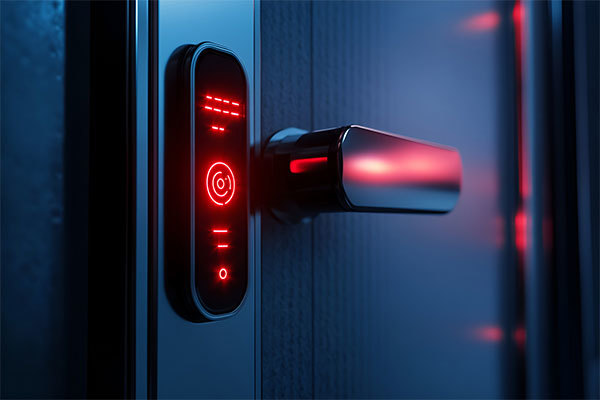
Smart inductive hotel locks are electronic locking systems that utilize **induction technology** to secure hotel room doors. Unlike traditional mechanical locks, these smart locks operate through **electronic signals**, enabling features that significantly enhance both security and convenience.
**Key Characteristics** of Smart Inductive Hotel Locks:
- **Keyless Entry**: Guests can access their rooms using mobile devices or specialized keycards, eliminating the need for physical keys.
- **Remote Access Management**: Hotel staff can manage access remotely, making it easier to handle guest arrivals and departures.
- **Real-Time Monitoring**: Security personnel can monitor the status of doors in real-time, enhancing overall safety.
The technology behind smart inductive locks represents a substantial leap from the traditional mechanisms that have served the hospitality industry for decades.
3. How Do Smart Inductive Hotel Locks Work?
The functionality of smart inductive hotel locks revolves around **induction technology** and wireless communication protocols. Here’s a breakdown of how they operate:
3.1 Induction Technology
Induction locks utilize a **magnetic field** to detect and authenticate the keycard or mobile device. When a guest approaches the door with their keycard or phone, the lock’s reader activates. If the credentials are valid, the lock disengages, allowing entry.
3.2 Wireless Communication
Many smart locks use **Bluetooth** or **NFC (Near Field Communication)** technology to facilitate communication between the lock and the guest’s device. This wireless capability ensures that guests can unlock their doors without needing to physically touch the lock, thereby enhancing convenience and hygiene.
3.3 Integration with Hotel Management Systems
Smart inductive locks can be integrated with a hotel’s **Property Management System (PMS)**. This integration allows staff to grant or revoke access in real-time, manage check-ins remotely, and streamline guest services.
4. Enhanced Security Features of Smart Inductive Locks
Security is a paramount concern for hotels and their guests. Smart inductive locks come equipped with features that significantly enhance safety:
4.1 Audit Trails
Smart locks maintain an **audit trail** that records each access attempt, including successful entries and unauthorized attempts. This feature provides invaluable data for security personnel.
4.2 Temporary Access Codes
Hotels can generate **temporary access codes** for guests or service personnel, which expire automatically after a defined period. This feature minimizes the risk associated with lost or stolen keys.
4.3 Intrusion Alerts
Many systems are designed to send alerts to hotel management in case of forced entry attempts, ensuring swift response to potential threats.
5. Streamlined Guest Experience with Smart Locks
The integration of smart inductive locks not only boosts security but also enhances the overall guest experience in several ways:
5.1 Faster Check-In and Check-Out
With mobile key technology, guests can bypass the front desk entirely. They receive their room key directly on their smartphones, reducing wait times and providing a smoother check-in and check-out process.
5.2 Personalization
Hotels can customize guest access based on preferences, enabling personalized experiences. For instance, guests can enter their rooms using their phones, which can also be configured to adjust room settings like lighting and temperature upon entry.
5.3 Enhanced Hygiene
In a post-pandemic world, contactless solutions have become essential. Smart inductive locks allow guests to avoid touching surfaces, aligning with health and safety protocols.
6. Costs and Savings for Hotels Using Smart Inductive Locks
While the initial investment in smart inductive locks may be significant, the long-term savings and benefits make them a wise choice for hotel operators:
6.1 Reduced Labor Costs
Smart locks facilitate remote access management, which can lead to reduced labor costs associated with front desk operations and traditional key management.
6.2 Lower Replacement Costs
Unlike traditional mechanical locks, which require frequent re-keying and maintenance, smart locks reduce the need for physical key replacements, resulting in lower overall maintenance costs.
6.3 Increased Guest Satisfaction
Satisfied guests are more likely to return and leave positive reviews, ultimately improving occupancy rates and profitability. Investing in guest experience technologies like smart inductive locks can lead to higher revenue in the long run.
7. The Future of Hotel Security and Guest Experience
As technology continues to evolve, the future of hotel security and guest experience looks promising. We anticipate several key trends:
7.1 AI Integration
The incorporation of **Artificial Intelligence (AI)** into hotel management systems will enhance predictive analytics, enabling hotels to tailor services better and improve security measures.
7.2 IoT Connectivity
Smart inductive locks will increasingly connect with other **Internet of Things (IoT)** devices within hotel rooms, creating a more integrated and personalized guest experience.
7.3 Sustainable Practices
With growing concerns about sustainability, hotels will seek eco-friendly locking systems that reduce energy consumption and minimize their environmental impact.
8. Frequently Asked Questions
8.1 What are the main advantages of smart inductive hotel locks?
The primary advantages include enhanced security, streamlined guest experiences, and reduced operational costs for hotels.
8.2 Are smart inductive locks safe?
Yes, they are equipped with advanced security features such as audit trails, intrusion alerts, and temporary access codes that enhance safety.
8.3 Can I still use a physical key with smart locks?
Most smart inductive locks can accommodate traditional keycards, but many guests prefer the convenience of mobile access.
8.4 How do hotels manage the technology behind smart locks?
Smart locks can be integrated with the hotel’s Property Management System, enabling staff to manage access and monitor security remotely.
8.5 Are smart inductive locks cost-effective for hotels?
While there is an initial investment, the long-term savings from reduced labor and maintenance costs make them a cost-effective solution.
9. Conclusion
Smart inductive hotel locks are at the forefront of a technological revolution in the hospitality industry. By enhancing security, streamlining processes, and improving the guest experience, these innovative locking systems are setting new standards for hotels worldwide. As we move forward, their integration into hotel operations will likely become more widespread, paving the way for a safer and more efficient hospitality environment. Investing in smart inductive locks not only benefits hotel operators but also ensures memorable and satisfying stays for guests, ultimately leading to greater success in the competitive hospitality market.
Related News

Lockai Obtains Official UL 294 Certification for Commercial Hotel Smart Lock Systems
Foshan Lockai professional hotel smart lock factory gains UL 294 certification. Our UL-certified hotel door locks meet North America commercial building safety codes, ideal for hotel, apartment and resort projects. Full OEM/ODM & one-stop hotel lock system solutions available.

Follow Lockai Lock Industry

Mobile Official Website
Lockai Lock Industry

Address: Building 10, Room 603, Optoelectronics Industrial Park, Leliu Street, Shunde District, Foshan City, Guangdong Province
Technical Support:China Enterprise Dynamics Shunde SEO Tags