How Smart Inductive Hotel Locks Revolutionize Cost Management in the Hospitality Industry
2026-10-19


How Smart Inductive Hotel Locks Revolutionize Cost Management in the Hospitality Industry
In today’s competitive hospitality landscape, hotels are constantly seeking innovative solutions to enhance guest experience while minimizing operational costs. One technological advancement that has garnered significant attention is **smart inductive hotel locks**. These cutting-edge locking systems not only improve security but also streamline operational efficiency, ultimately leading to substantial cost savings. In this article, we will delve deep into how smart inductive hotel locks can transform the cost structure of hotel management.
Understanding Smart Inductive Hotel Locks
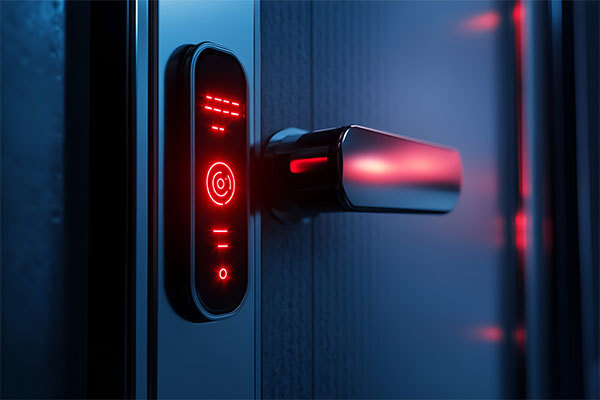
Smart inductive locks are electronic locking systems that utilize inductive charging technology to function. Unlike traditional locks that rely on physical keys or magnetic cards, these systems operate via smart devices or specific RFID-enabled key fobs. The key benefits of smart inductive locks include:
- Enhanced Security: They provide advanced encryption and secure communication protocols.
- Convenience: Guests can access their rooms effortlessly using smartphones or key fobs.
- Real-time Monitoring: Hotel staff can monitor lock activity remotely, enhancing operational efficiency.
The Financial Implications of Smart Hotel Locks
Transitioning to smart inductive locks has profound financial implications for hotels. The initial setup costs are often outweighed by the long-term savings and revenue enhancements. Here’s how:
1. Reduced Labor Costs
Traditional lock systems necessitate significant human resources for maintenance and operation. Hotel staff spend considerable time managing lost keys and re-keying locks. Smart locks minimize these challenges by:
- Eliminating the need for physical key management.
- Reducing the frequency of lock re-keying due to lost keys.
- Allowing remote access control, which reduces the necessity for front desk personnel.
2. Lower Maintenance Costs
Smart inductive locks require less maintenance compared to their mechanical counterparts. Their durable design and advanced technology lead to fewer breakdowns and service calls. The benefits include:
- Longer lifespan of locking mechanisms.
- Fewer service interruptions, which can affect guest satisfaction.
- Reduced costs associated with physical lock repairs and replacements.
3. Enhanced Energy Efficiency
Many smart inductive locks incorporate energy-efficient technology. This means they can operate on low-energy modes, contributing to overall energy savings in hotels. Advantages of energy-efficient locks are:
- Lower electricity bills due to reduced energy consumption.
- Long-lasting battery life, leading to fewer replacements and ongoing costs.
Improved Guest Experience
In addition to cost savings, smart inductive locks significantly enhance guest experience. A positive guest experience is essential for retaining customers and driving repeat business.
1. Streamlined Check-In Process
With smart locks, guests can bypass traditional check-in processes. They can receive access codes or digital keys via their smartphones, allowing them to access their rooms without waiting at the front desk. This streamlined check-in process leads to:
- Reduced wait times for guests.
- A more personalized and efficient customer service experience.
2. Customizable Access Rights
Smart inductive locks can be programmed to provide different access rights based on guest needs. For example, staff can grant temporary access to maintenance personnel or housekeeping without compromising overall security. Key benefits include:
- Enhanced security through controlled access.
- Increased flexibility for staff and guests.
Integrating Smart Locks into Hotel Operations
The implementation of smart inductive locks requires careful planning and consideration. To optimize their operational benefits, hotels should consider the following steps:
1. Assess Current Security Infrastructure
Before installing smart locks, it is essential to evaluate the existing security systems in place. Identify areas that require improvement and determine how smart locks can address these issues.
2. Choose the Right Technology Partner
Selecting a reliable technology partner is crucial. Evaluate vendors based on their reputation, customer service, and the technology offered. A strong partnership ensures smooth installation and ongoing support.
3. Train Staff on New Systems
To maximize the benefits of smart inductive locks, hotel staff must be adequately trained on how to operate the new systems. Proper training helps to minimize technical issues and enhances overall efficiency.
The Future of Smart Hotel Locks
The hospitality sector is evolving, and smart inductive locks are poised to become the norm rather than the exception. As technology continues to advance, we can expect the following trends in smart hotel locks:
1. Integration with IoT
The Internet of Things (IoT) is revolutionizing how devices communicate. Future smart locks may integrate with other hotel systems, including lighting, heating, and security cameras, offering a comprehensive solution for hotel management.
2. Blockchain Technology for Enhanced Security
Blockchain technology can provide an additional layer of security for smart locks, ensuring that access credentials are tamper-proof and secure. This can significantly reduce the risk of unauthorized access.
3. Greater Customization and User Friendliness
As the technology matures, we can expect smart locks to offer even more customization options, allowing hotels to tailor security protocols to their specific needs. User-friendly interfaces will also become standard, making it easier for guests to navigate.
FAQs About Smart Inductive Hotel Locks
1. What is a smart inductive hotel lock?
Smart inductive hotel locks are electronic locking systems that utilize RFID technology, allowing guests to access their rooms using smartphones or key fobs.
2. How do smart inductive locks enhance security?
These locks utilize advanced encryption and secure communication protocols, reducing the risk of unauthorized access and enhancing overall security.
3. What are the initial costs associated with installing smart locks?
The initial costs can vary based on the technology provider and the number of locks needed, but many hotels find that the long-term savings justify the investment.
4. Are smart locks energy efficient?
Yes, many smart inductive locks are designed to operate on low energy consumption, contributing to overall energy savings for hotels.
5. Can I integrate smart locks with other hotel systems?
Yes, smart locks can often be integrated with other hotel management systems, including booking platforms and security systems, for streamlined operations.
Conclusion
Smart inductive hotel locks represent a significant advancement in hotel security and operational efficiency. By reducing labor and maintenance costs, enhancing guest experience, and integrating seamlessly with existing hotel systems, these locks provide a comprehensive solution for modern hospitality challenges. As the industry continues to evolve, embracing smart inductive locks is not just an option—it’s a necessity for hotels aiming to stay competitive and financially viable. The long-term benefits, including cost savings and improved guest satisfaction, make these innovative locking systems a valuable investment for any hotelier.
Related News



Follow Lockai Lock Industry

Mobile Official Website
Lockai Lock Industry

Address: Building 10, Room 603, Optoelectronics Industrial Park, Leliu Street, Shunde District, Foshan City, Guangdong Province
Technical Support:China Enterprise Dynamics Shunde SEO Tags