
Assessing the Security Risks of Outdated Hotel Door Locks: Ensuring Guest Safety in the Hospitality Industry
2026-10-12


Assessing the Security Risks of Outdated Hotel Door Locks
The Importance of Hotel Security in Guest Satisfaction
In today’s hospitality industry, the safety of guests is not just a luxury—it’s a necessity. A secure hotel environment fosters trust and comfort, which are essential for guest satisfaction. **Outdated door locks can serve as an open invitation to potential intruders, jeopardizing both
Assessing the Security Risks of Outdated Hotel Door Locks
The Importance of Hotel Security in Guest Satisfaction
In today’s hospitality industry, the safety of guests is not just a luxury—it’s a necessity. A secure hotel environment fosters trust and comfort, which are essential for guest satisfaction. **Outdated door locks can serve as an open invitation to potential intruders, jeopardizing both property and personal safety**. In this article, we will explore the myriad risks associated with obsolete locking mechanisms and discuss modern solutions to enhance security.
Understanding Hotel Door Lock Technologies
A Brief History of Hotel Door Locks
Traditionally, hotel door locks have evolved from simple mechanical designs to sophisticated electronic systems. Early locks relied on physical keys, which were easily duplicated or lost. As technology advanced, hotels began implementing more secure systems, including magnetic stripe cards and electronic keypads. However, many establishments continue to use outdated locks that may not provide adequate security.
Types of Hotel Door Locks
1. **Mechanical Locks**: These are the most basic forms of locking systems, often found in older hotels. They rely on physical keys, which can be easily copied.
2. **Magnetic Stripe Locks**: Popular in the 1980s and 1990s, these locks utilize credit card-like keys but are susceptible to cloning.
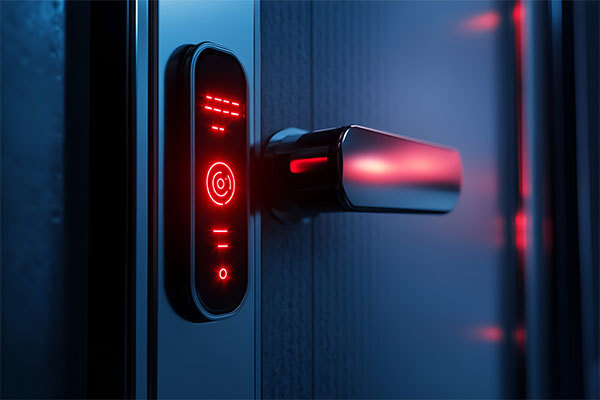
3. **Keyless Entry Systems**: Utilizing Bluetooth or RFID technology, these locks offer enhanced security by allowing guests to use their smartphones or special key fobs.
4. **Smart Locks**: The latest innovation in hotel security, smart locks can be controlled remotely, provide access logs, and integrate with other security systems.
Identifying the Risks of Outdated Hotel Door Locks
Increased Vulnerability to Break-Ins
Hotels using outdated locks are at a significantly higher risk of break-ins. **Intruders can exploit the weaknesses in old mechanisms**, easily bypassing them with basic tools or knowledge. A recent study revealed that hotels with mechanical locks faced a 34% higher rate of break-ins compared to those with modern security systems.
Consequences of Security Breaches
The implications of compromised security extend beyond financial losses. Security breaches can lead to:
- **Legal Liabilities**: Hotels may face lawsuits if guests are harmed due to inadequate security measures.
- **Reputation Damage**: News of a security incident can spread quickly, leading to a loss of customer trust and negative reviews.
- **Decreased Revenue**: A tarnished reputation can result in reduced bookings and financial instability.
Guest Safety: A Top Priority
**Guests expect a safe environment** when choosing accommodations. Older door locks can lead to feelings of unease and dissatisfaction. Ensuring that all locking mechanisms are up-to-date and secure is vital to maintaining guest confidence.
Assessing the Condition of Existing Locks
Visual Inspections and Regular Maintenance
Conducting regular inspections of existing locks is crucial. A thorough examination can reveal:
- Rust or physical damage
- Difficulty in locking or unlocking the door
- Signs of tampering or forced entry
Hotels should implement a routine maintenance schedule to address any issues promptly and ensure locks are functioning optimally.
Guest Feedback: A Valuable Resource
Guests often notice security concerns that staff might overlook. **Encouraging feedback about door locks can uncover hidden vulnerabilities**, allowing hotels to proactively address issues and enhance security.
Modern Solutions for Enhanced Lock Security
Upgrading to Smart Lock Systems
Investing in smart lock technology can significantly bolster hotel security. These locks often feature:
- Remote access capabilities, allowing management to lock or unlock doors from a distance.
- Access logs that track who enters and exits rooms.
- Integration with mobile apps for seamless guest experiences.
Implementing Electronic Key Card Systems
Electronic key card systems are a staple in many modern hotels. They offer several benefits over traditional locks, including:
- **Customizable access**: Key cards can be programmed for specific time frames and access levels.
- Enhanced security features such as encryption to prevent unauthorized access.
Cost Considerations for Lock Upgrades
Budgeting for Security Enhancements
Upgrading hotel door locks can be a substantial investment. However, the costs associated with security breaches far outweigh the expenses of implementing modern locking systems. **Hotels should budget for these upgrades as part of their long-term operational strategy**.
Analyzing Return on Investment (ROI)
When considering security upgrades, hotels should evaluate the potential ROI. Factors to consider include:
- Increased guest satisfaction and occupancy rates
- Reduced insurance premiums due to enhanced security measures
- Long-term savings from avoiding security-related incidents
Regulatory Standards and Compliance
Understanding Safety Regulations
Hotels must comply with local and national safety regulations that dictate security standards. Familiarizing oneself with these regulations can prevent legal repercussions and ensure that security measures meet industry standards.
Certification and Training for Staff
Training staff on the importance of security and proper use of locking systems is essential. **Properly trained employees are less likely to make mistakes that could compromise guest safety**, such as leaving doors unlocked or failing to report maintenance issues.
Future Trends in Hotel Security Technologies
Biometric Access Systems
Emerging technologies such as biometric access systems—utilizing fingerprints or facial recognition—are paving the way for enhanced security. While still relatively new in the hotel industry, these systems could revolutionize how guests access their rooms, offering unparalleled security.
Integration of IoT in Hotel Security
The Internet of Things (IoT) is gradually making its way into hotel security. Integrating IoT devices can provide real-time monitoring of security systems, allowing for immediate responses to potential threats.
FAQs about Hotel Door Locks and Security
1. What are the most common types of hotel door locks?
The most common types of hotel door locks include mechanical locks, magnetic stripe locks, electronic key card systems, and smart locks.
2. How often should hotel door locks be inspected?
Hotels should conduct visual inspections of door locks at least once a month or following any guest complaints.
3. What are the signs that a hotel door lock needs to be replaced?
Signs include rust or physical damage, difficulty locking or unlocking, or visible tampering.
4. Are smart locks worth the investment for hotels?
Yes, smart locks often provide enhanced security features and can improve guest satisfaction, making them a worthwhile investment.
5. How can hotels ensure compliance with security regulations?
Hotels can ensure compliance by staying informed about local regulations, conducting regular training for staff, and regularly updating their security systems.
Conclusion
Assessing the security risks of outdated hotel door locks is a crucial step in maintaining a safe environment for guests. With the rise of modern technology, hotels have access to innovative solutions that significantly enhance security. Investing in updated locking mechanisms not only protects guests but also contributes to overall guest satisfaction and the hotel’s reputation. By prioritizing security, hotels can create a welcoming and secure atmosphere that encourages repeat business and fosters trust.
Related News



Follow Lockai Lock Industry

Mobile Official Website
Lockai Lock Industry

Address: Building 10, Room 603, Optoelectronics Industrial Park, Leliu Street, Shunde District, Foshan City, Guangdong Province
Technical Support:China Enterprise Dynamics Shunde SEO Tags