
The Cost-Effectiveness of Upgrading Hotel Lock Systems: A Comprehensive Guide
2026-10-05


The Cost-Effectiveness of Upgrading Hotel Lock Systems
In the hospitality industry, ensuring guest safety and satisfaction is paramount. One critical aspect that often goes overlooked is the lock system of a hotel. Upgrading hotel lock systems can significantly impact the overall guest experience, security, and operational efficiency. This article delves into the cost-effectiveness of implementing
The Cost-Effectiveness of Upgrading Hotel Lock Systems
In the hospitality industry, ensuring guest safety and satisfaction is paramount. One critical aspect that often goes overlooked is the lock system of a hotel. Upgrading hotel lock systems can significantly impact the overall guest experience, security, and operational efficiency. This article delves into the cost-effectiveness of implementing modern lock solutions, providing insights and analysis that can help hotel owners make informed decisions.
Understanding the Importance of Hotel Security
The security of guests and their belongings is a primary concern for hotel operators. In an era where security breaches can tarnish a hotel's reputation, investing in advanced lock systems is not merely a choice but a necessity. Modern lock systems not only provide enhanced security features but also offer a range of functionalities that improve operational efficiency.
Guest Trust and Hotel Reputation
In the hospitality sector, guest trust directly correlates with a hotel's reputation. A secure environment fosters confidence, encouraging guests to return and recommend the hotel to others. Conversely, incidents of theft or security breaches can lead to negative reviews and loss of business. Therefore, upgrading lock systems is crucial for maintaining a positive reputation.
Types of Hotel Lock Systems
Before evaluating the cost-effectiveness of upgrading, it is essential to understand the types of lock systems available for hotels today.
1. **Traditional Key Locks**: These are the standard locks that have been in use for decades. While they are cost-effective initially, they lack the advanced security features that modern systems offer.
2. **Electronic Key Card Systems**: Utilizing key cards, these systems provide better security than traditional locks. They allow for easy reprogramming and tracking of access, making them a popular choice among hotels.
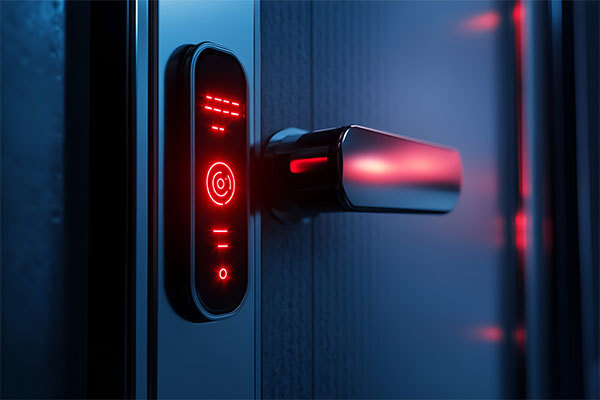
3. **Smart Locks**: These are the latest in lock technology, offering mobile access and integration with other smart devices. Smart locks enhance guest experience by allowing for keyless entry and remote monitoring.
Cost Analysis of Upgrading Hotel Lock Systems
When considering an upgrade, it is crucial to analyze both upfront and long-term costs. While the initial investment can be significant, the potential savings and benefits often outweigh these costs.
Initial Investment: Breaking Down the Costs
The initial cost of upgrading to a modern lock system can vary widely depending on the type of system selected and the size of the hotel. Key factors influencing the cost include:
- **Hardware Costs**: The price of the locks themselves can range from hundreds to thousands of dollars based on the technology involved.
- **Installation Fees**: Professional installation is often necessary for electronic and smart locks, which can add to the overall expense.
- **Training for Staff**: Employees may require training to effectively use new systems, contributing to initial costs.
Long-Term Savings and Benefits
While the upfront costs may be high, several long-term savings can offset these expenses:
- **Reduced Theft and Liability**: Enhanced security features reduce the likelihood of theft, potentially lowering insurance premiums and liability costs.
- **Operational Efficiency**: Modern lock systems can streamline operations, saving time and labor costs associated with traditional key management.
- **Energy Savings**: Many smart locks integrate with energy management systems, allowing hotels to monitor and control room access, leading to energy savings.
Enhanced Security Features of Modern Lock Systems
Upgrading to modern lock systems enables hotels to take advantage of advanced security features that enhance guest safety.
Real-Time Access Control and Monitoring
Modern lock systems allow for real-time monitoring of access points. Hotel managers can track who enters and exits rooms, providing an added layer of security. In the event of a security breach, this data can be invaluable for investigations.
Guest Customization and Keyless Entry
Keyless entry options allow guests to access their rooms via mobile devices, enhancing convenience and security. This feature is particularly appealing to tech-savvy travelers who prefer digital solutions over traditional keys.
Impact on Guest Experience
A hotel's reputation is built on the guest experience. Upgrading lock systems significantly enhances this experience in several ways.
Convenience and Accessibility
Modern lock systems facilitate a seamless check-in process, allowing guests to bypass long lines and access their rooms quickly. This efficiency leads to higher guest satisfaction and positive reviews.
Customization Options for Guests
With smart locks, hotels can offer personalized experiences, such as customized room settings that guests can adjust using their mobile devices. This level of personalization enhances the overall guest experience.
Evaluating the Return on Investment (ROI)
Before committing to an upgrade, hotel operators should evaluate the potential return on investment. This analysis can help in understanding whether the benefits of upgrading justify the costs.
Calculating ROI: Key Metrics to Consider
1. **Increased Occupancy Rates**: Enhanced security features can lead to higher guest satisfaction, resulting in increased occupancy rates over time.
2. **Cost Savings**: Reduced theft and operational efficiencies can lead to significant cost savings, improving overall profitability.
3. **Reputation Improvement**: A secure hotel earns better reviews and attracts more guests, contributing to long-term revenue growth.
Common Misconceptions About Upgrading Lock Systems
Several misconceptions can deter hotel owners from upgrading their lock systems. Addressing these misbeliefs can provide a clearer understanding of the true benefits.
Misconception 1: Upgrading is Too Expensive
While the initial investment may seem daunting, the long-term benefits and savings often outweigh these costs.
Misconception 2: Modern Systems are Complicated
Many modern lock systems are designed with user-friendliness in mind, ensuring that both staff and guests can operate them with ease.
FAQs About Upgrading Hotel Lock Systems
1. How long does it take to install a new lock system?
The installation time varies based on the size of the hotel and complexity of the system. Generally, installations can be completed within a few days to a week.
2. Are smart locks more secure than traditional locks?
Yes, smart locks offer advanced security features such as keyless entry and real-time monitoring, making them more secure than traditional locks.
3. Can I upgrade my existing lock system to include smart features?
In many cases, it is possible to retrofit existing systems with smart technology, but it’s essential to consult with a professional.
4. What is the average lifespan of a hotel lock system?
Most commercial lock systems can last anywhere from 5 to 15 years, depending on usage and maintenance.
5. How can I ensure my staff is trained on the new system?
Most lock system providers offer comprehensive training programs for hotel staff as part of the installation process.
Conclusion
Investing in upgraded hotel lock systems is not just about enhancing security; it's a strategic decision that can lead to significant cost savings, improved guest satisfaction, and a stronger hotel reputation. By understanding the types of systems available, analyzing costs, and evaluating the long-term benefits, hotel owners can make informed decisions that will ultimately contribute to their success in a competitive market. Embracing modern technology in hotel security is an investment in the future, ensuring guest safety and operational efficiency for years to come.
Related News



Follow Lockai Lock Industry

Mobile Official Website
Lockai Lock Industry

Address: Building 10, Room 603, Optoelectronics Industrial Park, Leliu Street, Shunde District, Foshan City, Guangdong Province
Technical Support:China Enterprise Dynamics Shunde SEO Tags