
Integrating Smart Inductive Hotel Locks with Hotel Management Systems: A Comprehensive Guide
2026-08-10


Integrating Smart Inductive Hotel Locks with Hotel Management Systems: A Comprehensive Guide
Table of Contents
1. Introduction to Smart Inductive Hotel Locks
2. Benefits of Smart Inductive Hotel Locks
3. Understanding Hotel Management Systems
4. Integrating Smart Locks with Hotel Management Systems
5. Challenges of Integration
6. Future Trends in Hotel Lock Technology
Integrating Smart Inductive Hotel Locks with Hotel Management Systems: A Comprehensive Guide
Table of Contents
- 1. Introduction to Smart Inductive Hotel Locks
- 2. Benefits of Smart Inductive Hotel Locks
- 3. Understanding Hotel Management Systems
- 4. Integrating Smart Locks with Hotel Management Systems
- 5. Challenges of Integration
- 6. Future Trends in Hotel Lock Technology
- 7. Case Studies: Successful Integrations
- 8. Frequently Asked Questions
- 9. Conclusion
1. Introduction to Smart Inductive Hotel Locks
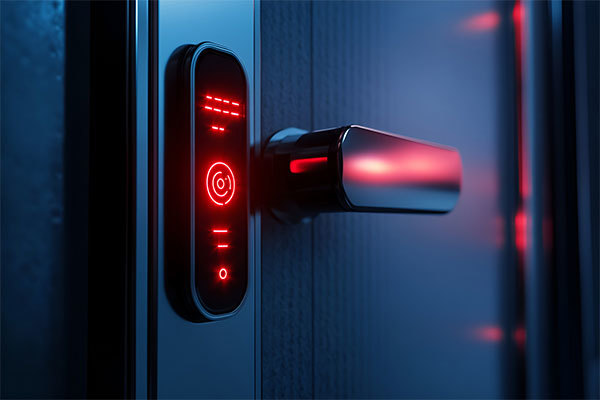
In the rapidly evolving hospitality industry, **smart technology** has become paramount to enhancing security and improving guest experiences. **Smart inductive hotel locks** are an innovative solution that allows for keyless entry and advanced security features, reducing the hassle associated with traditional locking mechanisms. These locks utilize **inductive charging** and can be integrated seamlessly with hotel management systems, providing hotels with enhanced operational efficiency.
2. Benefits of Smart Inductive Hotel Locks
The advantages of using smart inductive hotel locks are numerous:
2.1 Enhanced Security Measures
Smart locks utilize encrypted communication protocols, making them far more secure than traditional keys. They are resistant to lock picking and offer advanced features such as **audit trails**, which allow hotel management to track who accessed a room and when.
2.2 Improved Guest Experience
These locks allow for **mobile access**, enabling guests to unlock their doors using a smartphone app. This not only enhances convenience but also provides a modern touch that appeals to tech-savvy travelers.
2.3 Operational Efficiency
Integrating smart locks with hotel management systems allows for real-time updates on room occupancy, enhancing the efficiency of housekeeping and maintenance services. It streamlines the check-in process, reducing wait times for guests.
2.4 Cost-Effective Solutions
While the initial investment in smart inductive locks may be higher than traditional locks, the long-term savings from reduced maintenance costs, lower security risks, and operational efficiencies can outweigh those initial costs.
3. Understanding Hotel Management Systems
A **hotel management system (HMS)** is a comprehensive software solution designed to streamline various operations within a hotel. These systems include functionalities for:
3.1 Reservation Management
Managing bookings efficiently ensures that front desk staff can handle guest inquiries and reservations with ease. An HMS can help avoid overbookings and ensure that room availability is accurately reflected.
3.2 Billing and Invoicing
An integrated HMS simplifies the billing process, allowing for accurate invoices that reflect all guest charges, from room rates to additional services.
3.3 Reporting and Analytics
HMS provides valuable data insights, helping hotel management make informed decisions regarding pricing, marketing, and operational improvements.
4. Integrating Smart Locks with Hotel Management Systems
Integrating smart inductive hotel locks with a hotel management system involves several steps and considerations:
4.1 Choosing the Right Technology
It’s crucial to select smart locks that are compatible with your existing HMS. Look for solutions that offer **open APIs** or direct integrations to ensure seamless communication between the two systems.
4.2 Implementation Strategy
Implementing smart locks should be planned carefully. Consider a phased approach, starting with a pilot program to assess functionality before rolling it out across the entire property.
4.3 Training Staff
Staff training is essential to ensure that all employees can efficiently operate the new system and assist guests with any inquiries or issues regarding the smart locks.
4.4 Monitoring and Maintenance
Once integrated, ongoing monitoring of the system's performance is vital. Regular maintenance checks can prevent potential issues and ensure that both the smart locks and HMS function smoothly.
5. Challenges of Integration
Despite the benefits, integrating smart inductive locks with hotel management systems presents certain challenges:
5.1 Initial Costs
The upfront costs of upgrading to smart locks and implementing an HMS can be significant. Budgeting for this transition is key.
5.2 Technical Issues
Technical difficulties can arise during integration, particularly if the systems are not fully compatible. It’s important to work closely with vendors to troubleshoot any issues that may emerge.
5.3 Staff Resistance
Change can be met with resistance from staff who are accustomed to traditional systems. Clear communication about the benefits of the new technology can help ease this transition.
6. Future Trends in Hotel Lock Technology
The future of hotel lock technology looks promising, with several emerging trends:
6.1 Artificial Intelligence Integration
AI can analyze guest patterns to enhance security further and personalize guest experiences. For example, AI could provide real-time alerts for unusual activity around hotel entrances.
6.2 Increased Mobility Features
As mobile devices become more ubiquitous, the ability for guests to access their rooms through **mobile wallets** and other applications will become increasingly common.
6.3 Enhanced Data Analytics
Future hotel management systems will likely incorporate more sophisticated data analytics, providing deeper insights into guest behavior and preferences, thereby enhancing guest satisfaction.
7. Case Studies: Successful Integrations
Examining successful implementations can provide valuable lessons for hotels considering this transition.
7.1 Case Study: Hotel X
Hotel X integrated smart inductive locks with their HMS, resulting in a **25% reduction in check-in times** and a significant drop in lost key incidents. Guests reported a **30% increase** in satisfaction rates due to the convenience offered by mobile access.
7.2 Case Study: Resort Y
Resort Y faced challenges with traditional key systems that led to security breaches. After switching to smart locks integrated with their HMS, they saw an **improvement in security** and **operational efficiency**, with reduced staff hours spent on lock maintenance.
8. Frequently Asked Questions
8.1 What are smart inductive locks?
Smart inductive locks are advanced locking systems that use inductive technology to enable keyless entry and enhanced security features.
8.2 How do smart locks work with hotel management systems?
Smart locks can integrate with HMS to provide real-time data on room access, enhancing operational efficiency and guest experience.
8.3 Are smart locks more expensive than traditional locks?
While the initial investment in smart locks is higher, the long-term benefits in efficiency and security can lead to cost savings.
8.4 What challenges may arise during integration?
Challenges can include high initial costs, technical issues, and resistance from staff accustomed to traditional systems.
8.5 What are the future trends for hotel lock technology?
Future trends may include the integration of AI, enhanced mobile features, and advanced data analytics to improve guest experiences.
9. Conclusion
Integrating **smart inductive hotel locks** with hotel management systems represents a significant advancement in hotel security and operational efficiency. By utilizing this technology, hotels can enhance guest experiences while streamlining their operations. As the hospitality industry continues to evolve, investing in smart lock technology will not only ensure safety but also keep hotels competitive in a fast-paced market. Embracing these innovations will pave the way for a future where technology and hospitality work hand in hand to create memorable guest experiences.
Related News

Lockai Obtains Official UL 294 Certification for Commercial Hotel Smart Lock Systems
Foshan Lockai professional hotel smart lock factory gains UL 294 certification. Our UL-certified hotel door locks meet North America commercial building safety codes, ideal for hotel, apartment and resort projects. Full OEM/ODM & one-stop hotel lock system solutions available.


Follow Lockai Lock Industry

Mobile Official Website
Lockai Lock Industry

Address: Building 10, Room 603, Optoelectronics Industrial Park, Leliu Street, Shunde District, Foshan City, Guangdong Province
Technical Support:China Enterprise Dynamics Shunde SEO Tags