
Smart Inductive Hotel Locks vs. Traditional Locks: A Comprehensive Comparison for Modern Hospitality
2026-07-06


Smart Inductive Hotel Locks vs. Traditional Locks: A Comprehensive Comparison for Modern Hospitality
Table of Contents
1. Introduction to Hotel Lock Systems
2. Understanding Traditional Hotel Locks
2.1 Mechanical Locks
2.2 Electronic Locks
3. Exploring Smart Inductive Hotel Locks
3.1 The Technology Behind Smart Locks
Smart Inductive Hotel Locks vs. Traditional Locks: A Comprehensive Comparison for Modern Hospitality
Table of Contents
- 1. Introduction to Hotel Lock Systems
- 2. Understanding Traditional Hotel Locks
- 3. Exploring Smart Inductive Hotel Locks
- 4. Comparing Security Features
- 5. Enhancing the Guest Experience
- 6. Cost Analysis: Smart vs. Traditional Locks
- 7. Installation and Maintenance Considerations
- 8. Conclusion
- 9. Frequently Asked Questions
1. Introduction to Hotel Lock Systems
In the hospitality industry, security is paramount. The choice of locking systems plays a significant role in ensuring guest safety and satisfaction. Traditional locks, including mechanical and electronic variants, have long been the norm in hotels. However, the advent of **smart inductive hotel locks** has introduced a new level of sophistication and convenience. This article delves into a detailed comparison between smart inductive locks and traditional locking systems to help hotel owners make informed choices that enhance security and guest experiences.
2. Understanding Traditional Hotel Locks
Traditional hotel locks have been the backbone of security in hospitality for decades. While they have served their purpose well, their limitations have led to the development of more advanced options.
2.1 Mechanical Locks
Mechanical locks are the oldest form of locking systems used in hotels. They operate using physical keys and a series of pins and tumblers. **Advantages of mechanical locks include:**
- **Simplicity:** They are straightforward to use and require no power source.
- **Cost-effectiveness:** Mechanical locks are generally less expensive than electronic alternatives.
However, they also have drawbacks. Lost keys can lead to security breaches, and rekeying is necessary whenever a key is lost or a room is vacated.
2.2 Electronic Locks
Electronic locks utilize a keypad, card, or fob for access. They offer several enhancements over mechanical locks, such as:
- **Increased security:** Electronic locks can be programmed to deactivate lost or stolen keys.
- **Audit trails:** Many electronic systems provide logs of entries and exits, improving accountability.
Despite these advantages, electronic locks require batteries or a power source, which can lead to maintenance issues if not monitored properly.
3. Exploring Smart Inductive Hotel Locks
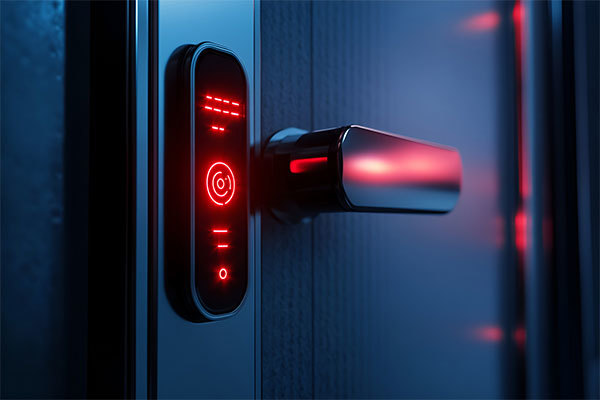
Smart inductive hotel locks represent the forefront of locking technology. These locks integrate advanced features that improve security and convenience for both guests and hotel staff.
3.1 The Technology Behind Smart Locks
Smart inductive locks typically use Bluetooth, RFID, or biometric technology. This allows guests to unlock doors using their smartphones or smartwatches. The key components of smart locks include:
- **Mobile app integration:** Guests can check-in and unlock doors using a secure app, reducing wait times at reception.
- **Connectivity:** Smart locks can be integrated into a hotel’s property management system, enabling real-time updates and remote management.
The technology behind smart locks not only enhances security but also streamlines operations within the hotel.
3.2 Key Advantages of Smart Locks
The benefits of smart inductive locks are numerous:
- **Enhanced Security:** Smart locks can automatically lock after hours, ensuring that unauthorized access is restricted.
- **User Convenience:** Guests enjoy the convenience of keyless entry, allowing for smoother check-ins and exits.
- **Remote Access Management:** Hotel staff can remotely unlock doors for housekeeping or maintenance without needing physical keys.
These features make smart inductive locks an attractive option for modern hotels looking to improve guest satisfaction and operational efficiency.
4. Comparing Security Features
When comparing the security features of smart inductive locks and traditional locks, several factors come into play:
- **Access Control:** Smart locks offer superior access control, allowing for temporary access codes for guests and staff.
- **Security Alerts:** Many smart locks can send alerts to hotel management if unauthorized access is attempted.
- **Backup Systems:** While traditional locks may rely solely on physical keys, smart locks can have backup entry methods, ensuring access in case of technology failure.
Overall, smart inductive locks provide a multi-layered approach to security that traditional locks simply cannot match.
5. Enhancing the Guest Experience
The guest experience is critical in the hospitality industry. Smart inductive locks enhance this experience in several ways:
- **Streamlined Check-In:** Guests can use their smartphones to check in and unlock their rooms without waiting in line at the front desk.
- **Personalization:** Smart locks can be integrated with guest profiles, allowing for personalized settings upon arrival.
- **Hassle-Free Access:** No more fumbling for keys or worrying about lost cards; guests can simply use their mobile devices.
These enhancements lead to higher guest satisfaction and improved reviews, which are vital for the success of any hotel.
6. Cost Analysis: Smart vs. Traditional Locks
When considering the implementation of a new locking system, cost is often a significant factor. **Here’s how smart inductive locks stack up against traditional locks:**
- **Initial Investment:** Smart locks require a higher upfront investment due to technology and installation costs. However, they may reduce long-term costs related to rekeying and key replacement.
- **Maintenance Costs:** Traditional locks might seem cheaper initially, but they can incur higher costs over time due to increased rekeying and repair needs.
- **Long-Term Savings:** Smart locks can lead to long-term savings through reduced operational costs and increased guest retention.
While the initial costs of smart locks are higher, their potential to improve efficiency and security often makes them a wise investment.
7. Installation and Maintenance Considerations
The installation and maintenance of locking systems are crucial considerations for hotel management.
- **Installation Process:** Traditional locks are typically straightforward to install. In contrast, smart locks may require specialized installation due to their advanced technology.
- **Maintenance Needs:** While traditional locks may need periodic rekeying, smart locks require regular software updates and battery checks to ensure functionality.
Understanding these aspects helps hotel managers prepare for the transition from traditional to smart locking systems.
8. Conclusion
As technology continues to evolve, the hospitality industry must adapt to meet guest expectations for quality and security. **Smart inductive hotel locks** offer a superior alternative to traditional locking systems, providing enhanced security, convenience, and a better overall guest experience. While the initial investment may be higher, the long-term benefits of smart locks make them an attractive choice for modern hotels looking to stay competitive in a rapidly evolving market. By making informed choices about locking systems, hotel owners can ensure the safety of their guests while enhancing their overall experience.
9. Frequently Asked Questions
1. What are smart inductive hotel locks?
Smart inductive hotel locks use advanced technology such as Bluetooth or RFID to allow keyless entry and enhanced security for hotel guests.
2. How do traditional locks differ from smart locks?
Traditional locks rely on physical keys and mechanical mechanisms, while smart locks utilize technology for access control and management.
3. Are smart locks more secure than traditional locks?
Yes, smart locks provide superior security features such as remote management, access logs, and alerts for unauthorized access attempts.
4. How can smart locks improve guest experience?
Smart locks streamline the check-in process, provide personalized experiences, and eliminate the hassle of physical keys, leading to greater guest satisfaction.
5. What are the installation requirements for smart locks?
Smart locks may require specialized installation, as they often integrate with hotel management systems and need a reliable power source. Regular maintenance, including software updates, is also essential.
By considering the features, benefits, and costs associated with smart inductive hotel locks versus traditional locks, hotel managers can make informed decisions that enhance security and improve the overall guest experience.
Related News

Lockai Obtains Official UL 294 Certification for Commercial Hotel Smart Lock Systems
Foshan Lockai professional hotel smart lock factory gains UL 294 certification. Our UL-certified hotel door locks meet North America commercial building safety codes, ideal for hotel, apartment and resort projects. Full OEM/ODM & one-stop hotel lock system solutions available.

Follow Lockai Lock Industry

Mobile Official Website
Lockai Lock Industry

Address: Building 10, Room 603, Optoelectronics Industrial Park, Leliu Street, Shunde District, Foshan City, Guangdong Province
Technical Support:China Enterprise Dynamics Shunde SEO Tags