
Hotel Door Locks: A Comprehensive Guide to Understanding Their Mechanics and Security Features
2026-06-29


Hotel Door Locks: A Comprehensive Guide to Understanding Their Mechanics and Security Features
In the hospitality industry, ensuring the safety and security of guests is paramount. One of the critical aspects that contribute to this is the type of door locks installed in hotels. Understanding the mechanics of hotel door locks, ranging from traditional systems to modern smart locks, can help hospitality professionals make informed decisions regarding their security measures. This guide delves into the various types of hotel door locks, their mechanisms, benefits, drawbacks, and essential maintenance practices.
Table of Contents
- 1. Introduction to Hotel Door Locks
- 2. Types of Hotel Door Locks
- 3. How Hotel Door Locks Work
- 4. Security Features of Hotel Door Locks
- 5. Advantages and Disadvantages of Hotel Door Locks
- 6. Maintenance Tips for Hotel Door Locks
- 7. Frequently Asked Questions
- 8. Conclusion
1. Introduction to Hotel Door Locks
Hotel door locks play a pivotal role in protecting not just the property but also the personal belongings and safety of guests. With the evolving landscape of security technology, the simplicity or complexity of a lock can greatly determine its efficacy. As we unpack the mechanics and categories of hotel door locks, we aim to provide valuable insights into the most suitable options for various hotel settings.
2. Types of Hotel Door Locks
Understanding the different types of hotel door locks is crucial for making the right choice based on security needs, guest experience, and budget. Here, we categorize the locks into three primary types:
2.1 Traditional Mechanical Locks
Traditional mechanical locks are the most recognized locking systems. They usually consist of a lock cylinder operated by a physical key. These locks are straightforward and reliable, making them a popular choice for many hotels. However, they can be vulnerable to picking and unauthorized duplication of keys.
2.2 Electronic Door Locks
Electronic door locks have gained traction in recent years due to their convenience. They often utilize a keypad or card reader, allowing guests to unlock doors with a code or a key card. This system minimizes the risk of key loss and enhances operational efficiency. However, reliance on batteries can pose challenges if not maintained properly.
2.3 Smart Locks
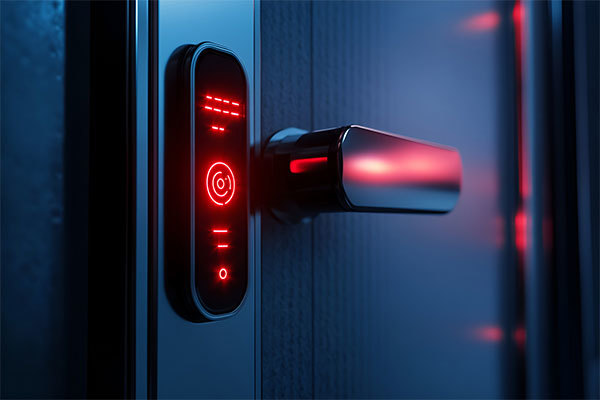
Smart locks are the latest innovation in hotel security. They integrate with smartphones, enabling guests to unlock their doors through mobile apps. This technology not only offers enhanced convenience but also provides real-time monitoring and access control for hotel management. Security features often include temporary access codes for cleaning staff and guests, ensuring controlled access without compromising safety.
3. How Hotel Door Locks Work
To appreciate the effectiveness of hotel door locks, it’s essential to understand their mechanics. Each type of lock operates differently, offering varying levels of security and complexity.
3.1 Locking Mechanisms Explained
Hotel locks utilize different mechanisms to secure doors. Traditional locks typically include a deadbolt and a latch, which can be locked and unlocked using a key or knob. Electronic locks function by engaging a motorized bolt, while smart locks incorporate Bluetooth or Wi-Fi connectivity to communicate with mobile devices.
3.2 Key Systems and Access Control
Key control is vital for hotel operations. Traditional systems require careful management of physical keys to prevent unauthorized access. In contrast, electronic and smart locks use programmable key cards or digital credentials that can easily be deactivated in case of loss or theft. This offers an added layer of security and convenience.
4. Security Features of Hotel Door Locks
Security features are at the core of hotel door locks. Understanding these features can help hotel owners choose locks that not only meet their security needs but also enhance guest safety.
4.1 High-Security Locks
High-security locks are designed to withstand tampering and unauthorized access. They often feature complex key designs that are difficult to duplicate. Many high-security locks incorporate additional features such as reinforced strike plates and drill-resistant cylinders, making them ideal for hotels that prioritize guest safety.
4.2 Keyless Entry Systems
Keyless entry systems eliminate the need for physical keys, reducing the risk of loss or theft. These systems commonly utilize biometric scanners, keypads, or mobile authentication. They not only enhance security but also provide guests with a modern and seamless experience when accessing their rooms.
5. Advantages and Disadvantages of Hotel Door Locks
Like any system, hotel door locks come with their own set of advantages and disadvantages. Understanding these can help hotel managers make informed decisions.
Advantages:
- Enhanced Security: Modern locks offer advanced security features that deter unauthorized access.
- Convenience: Electronic and smart locks provide ease of access for guests and staff.
- Operational Efficiency: Programmable locks reduce the need for physical keys, streamlining hotel operations.
Disadvantages:
- Reliability on Technology: Electronic and smart locks may face functionality issues due to battery failure or technical glitches.
- Initial Costs: The upfront costs for advanced locking systems can be higher compared to traditional locks.
- Complexity: Some locks may require additional training for staff to manage effectively.
6. Maintenance Tips for Hotel Door Locks
Regular maintenance of hotel door locks is crucial to ensure their longevity and functionality. Here are some essential maintenance tips:
- Regular Inspection: Conduct periodic checks on all locks for signs of wear and tear.
- Lubrication: Use the appropriate lubricant on mechanical locks to ensure smooth operation.
- Battery Management: For electronic locks, replace batteries routinely to prevent functionality issues.
- Update Software: For smart locks, ensure that firmware is updated regularly to protect against vulnerabilities.
- Staff Training: Educate staff on proper use and maintenance protocols for all locking systems.
7. Frequently Asked Questions
1. What is the best type of door lock for hotels?
The best type of door lock for hotels often depends on the specific security needs and budget. Traditional mechanical locks are reliable, while electronic and smart locks provide enhanced convenience and security features.
2. How often should hotel door locks be maintained?
Hotel door locks should be inspected regularly, ideally every few months, to check for wear and any signs of malfunction. Batteries for electronic locks should be replaced annually or as needed.
3. Can hotel door locks be hacked?
While no system is completely immune to hacking, modern electronic and smart locks often have robust security measures in place to protect against unauthorized access. Regular updates and maintenance can further enhance security.
4. What should I do if a guest loses their key card?
If a guest loses their key card, it is essential to deactivate the lost card immediately to prevent unauthorized entry. Then, issue a new key card for the guest to ensure their continued access.
5. Are smart locks worth the investment for hotels?
Smart locks can be worth the investment for hotels that prioritize guest experience and security. They offer features such as remote monitoring and management, convenience for guests, and increased operational efficiency.
8. Conclusion
In conclusion, understanding hotel door locks and their mechanics is vital for maintaining security and providing a safe environment for guests. From traditional mechanical locks to modern smart systems, each type has its unique features, advantages, and drawbacks. As the hospitality industry continues to evolve, adopting the right locking systems can significantly enhance guest satisfaction and operational efficiency. Regular maintenance and staying updated with the latest locking technology will ensure that hotels remain secure and appealing to their guests.
Related News

Lockai Obtains Official UL 294 Certification for Commercial Hotel Smart Lock Systems


Follow Lockai Lock Industry

Mobile Official Website
Lockai Lock Industry

Address: Building 10, Room 603, Optoelectronics Industrial Park, Leliu Street, Shunde District, Foshan City, Guangdong Province
Technical Support:China Enterprise Dynamics Shunde SEO Tags