
The Role of Smart Electronic Deadbolts in Smart Home Technology
2026-05-04


The Role of Smart Electronic Deadbolts in Smart Home Technology
Introduction to Smart Home Technology
In recent years, the realm of home security has taken a significant leap forward with the advent of smart home technology. Homeowners are increasingly embracing devices that not only enhance security but also add convenience and flexibility to their living spaces. Among these innovations, smart el
The Role of Smart Electronic Deadbolts in Smart Home Technology
Introduction to Smart Home Technology
In recent years, the realm of home security has taken a significant leap forward with the advent of smart home technology. Homeowners are increasingly embracing devices that not only enhance security but also add convenience and flexibility to their living spaces. Among these innovations, smart electronic deadbolts stand out as a pivotal element in the smart home ecosystem. They offer not only advanced security features but also seamless integration with other smart devices, providing users with a comprehensive safety solution.
Understanding Smart Electronic Deadbolts
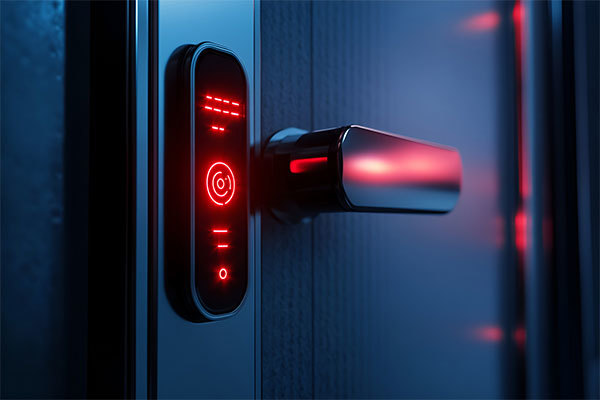
Smart electronic deadbolts are locks that incorporate electronic components and smartphone technology to provide enhanced security and convenience. Unlike traditional locks, which rely on physical keys, these locks allow users to access their homes through mobile applications, keypads, or even biometric methods like fingerprint recognition.
Key Features of Smart Electronic Deadbolts
Smart electronic deadbolts come equipped with an array of features designed to improve home security and user experience:
1. Keyless Entry
One of the primary benefits of smart deadbolts is the ability to allow keyless entry. Users can unlock their doors using a mobile app or a keypad, eliminating the need for physical keys. This feature is particularly useful for those who frequently lose their keys or want to eliminate the hassle of fumbling through bags.
2. Remote Access Control
With smart electronic deadbolts, homeowners can control access to their properties remotely. This means you can lock or unlock your door from anywhere in the world using your smartphone. This feature is especially beneficial for those who may need to grant access to visitors or service personnel when they aren't home.
3. Temporary Access Codes
Many smart electronic deadbolts allow homeowners to create temporary access codes for guests or service providers. This functionality enables users to grant limited-time access without compromising their security. Once access is no longer needed, the code can be deleted with ease.
4. Activity Notifications
Stay informed about who is entering and leaving your home with activity notifications. Smart deadbolts can send alerts to your smartphone whenever the door is locked or unlocked, providing an added layer of security and peace of mind.
The Integration of Smart Electronic Deadbolts with Smart Home Systems
Smart electronic deadbolts are designed to work harmoniously with other smart home devices. This integration enhances the overall functionality of a smart home system, creating a cohesive and user-friendly experience.
Connecting with Smart Home Hubs
Most smart electronic deadbolts can easily connect with established smart home hubs like Google Home, Amazon Alexa, or Apple HomeKit. Once integrated, users can control their locks through voice commands or centralized apps, making home management simpler and more efficient.
Enhancing Security with Surveillance Systems
Integrating smart deadbolts with home security cameras adds another layer of protection. Homeowners can monitor who approaches their doors and verify their identities before granting access. This combined approach helps deter potential intruders and ensures that only authorized individuals can enter.
Installation and Maintenance of Smart Electronic Deadbolts
Installing a smart electronic deadbolt can vary in complexity depending on the model. However, most installations can be completed without professional assistance, making them an excellent DIY project for homeowners.
Step-by-Step Installation Guide
1. **Remove the Existing Deadbolt**: Start by taking off the old deadbolt. This typically involves unscrewing the interior and exterior components.
2. **Prepare the Door**: Ensure that the door is in good condition and suitable for the smart deadbolt installation.
3. **Install the Smart Deadbolt**: Place the new smart deadbolt into the hole, attaching it securely from both sides. Follow the manufacturer’s instructions for specific installation details.
4. **Connect to Wi-Fi**: Once installed, connect the deadbolt to your home’s Wi-Fi network following the app instructions.
5. **Test the Lock**: Ensure that the lock operates smoothly both manually and electronically.
Regular Maintenance Tips
To keep your smart electronic deadbolt functioning optimally, consider the following maintenance tips:
- **Regularly Update Software**: Ensure your device’s software is up to date to benefit from the latest security patches and features.
- **Check Batteries**: Monitor the battery level regularly and replace batteries promptly to avoid lockouts.
- **Clean the Device**: Keep the lock clean and free from debris to maintain its functionality.
Benefits of Using Smart Electronic Deadbolts
The benefits of smart electronic deadbolts extend far beyond convenience. Here are several compelling reasons to consider upgrading your home security:
Enhanced Security Features
Smart electronic deadbolts come with advanced encryption and security protocols, making them more difficult for intruders to bypass compared to traditional locks. Many models also feature automatic locking mechanisms, ensuring doors are secured even if you forget to lock them.
Increased Convenience
Imagine never having to search for your keys again! Smart deadbolts streamline your daily routine, allowing for quick access without the hassle of physical keys. This convenience is especially beneficial in busy households.
Improved Home Monitoring
Smart deadbolts provide homeowners with the ability to monitor who enters and leaves their home. This feature is particularly advantageous for families with children or elderly members, ensuring that everyone is accounted for.
Challenges and Considerations
While smart electronic deadbolts offer numerous advantages, it is essential to consider potential challenges.
Dependence on Technology
Smart locks rely on Wi-Fi and power sources. If there is a power outage or Wi-Fi failure, accessing your home may become problematic. It’s crucial to have backup options, such as a physical key or a battery-powered lock.
Privacy Concerns
Data privacy is a consideration when using any smart device. Homeowners should ensure they purchase locks from reputable manufacturers that prioritize security and data protection.
Comparing Smart Electronic Deadbolts with Traditional Locks
A comparison of smart electronic deadbolts and traditional locks reveals distinct differences.
Security Level
While traditional locks can be picked or bumped, smart deadbolts utilize advanced technology that makes them harder to compromise.
User Experience
Smart locks offer a user-friendly experience with features like remote access and notifications, which traditional locks do not provide.
Cost Considerations
Smart electronic deadbolts generally have a higher upfront cost than traditional locks, but they can offer significant savings in the long run through enhanced security and convenience.
Future Trends in Smart Electronic Deadbolts
As technology continues to evolve, smart electronic deadbolts will likely see several advancements.
Integration with AI
Future smart locks may incorporate artificial intelligence to learn user habits and improve security measures automatically, further enhancing convenience and safety.
Biometric Advancements
Innovations in biometric technology may lead to more secure and efficient access methods, such as facial recognition or advanced fingerprint sensors.
FAQs About Smart Electronic Deadbolts
1. Are smart electronic deadbolts secure?
Yes, smart electronic deadbolts are designed with advanced security features, including encryption and automatic locking mechanisms, making them generally more secure than traditional locks.
2. How do I install a smart electronic deadbolt?
Installation typically involves removing the existing deadbolt, securing the new lock in place, and connecting it to your Wi-Fi network using the accompanying app. Many models come with detailed installation instructions.
3. Can I access my smart lock remotely?
Yes, most smart electronic deadbolts allow for remote access via smartphone applications, enabling you to lock or unlock your door from anywhere.
4. What happens if the battery dies?
Many smart locks have backup options, such as a physical key or a low-battery warning. It’s important to monitor battery levels and replace them as needed.
5. Can I create temporary access codes for guests?
Yes, most smart electronic deadbolts offer the ability to create temporary access codes that can be shared with guests or service providers.
Conclusion
The integration of smart electronic deadbolts into the smart home technology landscape represents a significant advancement in home security. With features that enhance convenience, safety, and peace of mind, these locks are becoming essential for modern homeowners. By understanding their benefits, installation processes, and challenges, you can make an informed decision about incorporating smart electronic deadbolts into your home security strategy. As technology continues to evolve, staying informed will ensure that your home remains secure and fully integrated within the smart home ecosystem.
Related News

Lockai Obtains Official UL 294 Certification for Commercial Hotel Smart Lock Systems
Foshan Lockai professional hotel smart lock factory gains UL 294 certification. Our UL-certified hotel door locks meet North America commercial building safety codes, ideal for hotel, apartment and resort projects. Full OEM/ODM & one-stop hotel lock system solutions available.

Follow Lockai Lock Industry

Mobile Official Website
Lockai Lock Industry

Address: Building 10, Room 603, Optoelectronics Industrial Park, Leliu Street, Shunde District, Foshan City, Guangdong Province
Technical Support:China Enterprise Dynamics Shunde SEO Tags