
Understanding the Cost-Effectiveness of Smart Inductive Hotel Locks: A Comprehensive Guide
2026-02-16


Understanding the Cost-Effectiveness of Smart Inductive Hotel Locks
Introduction to Smart Inductive Hotel Locks
In the fast-evolving landscape of hospitality, ensuring guest safety and satisfaction is paramount. As technology advances, traditional locking systems are being replaced by innovative solutions that offer enhanced security and convenience. One such advancement is the Smart Inductive Hot
Understanding the Cost-Effectiveness of Smart Inductive Hotel Locks
Introduction to Smart Inductive Hotel Locks
In the fast-evolving landscape of hospitality, ensuring guest safety and satisfaction is paramount. As technology advances, traditional locking systems are being replaced by innovative solutions that offer enhanced security and convenience. One such advancement is the Smart Inductive Hotel Lock. These locks not only provide superior security but also contribute to the overall cost-effectiveness of hotel operations. In this article, we will explore the numerous benefits of smart inductive locks, focusing on their economic advantages and long-term implications for hotels.
What Are Smart Inductive Hotel Locks?
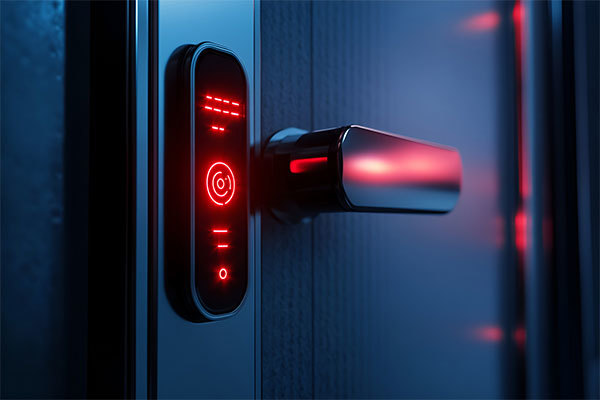
Smart inductive hotel locks utilize advanced technology to provide seamless access control. Unlike traditional mechanical locks, these systems operate wirelessly, allowing guests to unlock doors using key cards, mobile devices, or even biometric recognition. The induction technology ensures that the locks communicate securely and efficiently with the guests' access devices. This modern approach streamlines the check-in process, enhances operational efficiency, and significantly improves the guest experience.
Key Features of Smart Inductive Hotel Locks
- **Wireless Connectivity**: Smart inductive locks leverage wireless technology for easy access and management.
- **Remote Access Control**: Hotel staff can manage guest access remotely, facilitating quick responses to security concerns.
- **Integration with Hotel Management Systems**: These locks can be integrated with existing property management systems, allowing for real-time monitoring and updates.
- **Enhanced Security**: Smart locks often come equipped with advanced encryption and security features that exceed traditional systems.
Cost Components of Smart Inductive Hotel Locks
When considering the implementation of smart inductive locks, it's essential to analyze the various cost components involved. Understanding these costs will help hotel owners make informed decisions regarding their security investments.
Initial Investment Costs
The initial investment in smart inductive hotel locks can be higher than traditional locks due to the advanced technology and installation requirements. However, it's important to weigh this against the long-term savings and benefits these systems offer. Factors influencing initial costs include:
- **Cost of the Locks**: Prices can vary based on the brand, features, and technology used.
- **Installation Charges**: Professional installation may be necessary to ensure proper functioning and integration with existing systems.
- **Training for Staff**: Employees may require training to familiarize themselves with the new technology and features.
Maintenance and Operational Costs
While initial costs are a consideration, ongoing maintenance and operational costs are equally important. Smart inductive locks generally require lower maintenance than traditional locks, which may need frequent repairs or replacements. Key components to monitor include:
- **Software Updates**: Regular software updates are essential to maintain security and functionality.
- **Battery Replacement**: Many smart locks operate on battery power and will require periodic battery replacements, though some systems offer long-lasting solutions.
Long-Term Cost Savings
The long-term cost savings associated with smart inductive hotel locks can be significant, making them a cost-effective option for hotels. Considerations for long-term savings include:
- **Reduced Theft and Losses**: Enhanced security features can lead to fewer theft incidents, resulting in lowered insurance premiums and reduced asset loss.
- **Efficient Staff Management**: The remote access capabilities allow hotel staff to manage guest access without needing to be physically present, leading to increased operational efficiency.
- **Improved Guest Experience**: By streamlining the check-in process and providing seamless access, hotels can enhance overall guest satisfaction, leading to increased repeat bookings and referrals.
Comparing Smart Inductive Locks to Traditional Lock Systems
When evaluating the cost-effectiveness of smart inductive hotel locks, it is essential to compare them to traditional lock systems. Each system has its advantages and drawbacks, and understanding these can help hotels make the best decision for their needs.
Security Features
Traditional locks often rely on physical keys that can be easily lost or duplicated. In contrast, smart inductive locks provide advanced security features such as:
- **Encryption**: Smart locks utilize encryption protocols that make it difficult for unauthorized users to gain access.
- **Audit Trails**: Many smart systems maintain logs of access events, enabling hotels to monitor and analyze activity.
Operational Efficiency
Smart locks promote operational efficiency through features like:
- **Remote Management**: Hotel staff can manage keys, access levels, and lock statuses from anywhere, reducing response times to guest requests.
- **Time Savings**: Automated check-in and check-out processes save both staff and guests time, contributing to a more efficient operation.
Cost Analysis: Initial vs. Long-Term
While the initial investment in smart inductive locks may be higher, the long-term savings in maintenance, operational efficiency, and enhanced security often outweigh the upfront costs. A detailed cost analysis can help hotels determine the best option for their specific needs.
Guest Perception and Satisfaction
The implementation of smart inductive hotel locks can significantly enhance guest perception and satisfaction. Modern travelers increasingly prioritize technology and convenience, making smart locks an attractive feature for forward-thinking hotels.
Enhancing the Guest Experience
Smart inductive locks improve the overall guest experience by offering:
- **Convenience**: Guests enjoy the ease of keyless entry, allowing for a smoother check-in and access process.
- **Personalization**: Many systems allow hotels to personalize guest experiences through customizable access settings.
Building Trust and Security
Providing a secure environment is crucial for guest trust. The advanced security features of smart inductive locks instill confidence in guests, encouraging them to return and recommend the hotel to others.
Future Trends in Hotel Lock Technology
As technology continues to evolve, the landscape of hotel security will also transform. Several trends are emerging in the area of hotel locks, including:
Biometric Access Controls
The adoption of biometric locks, which utilize fingerprint or facial recognition, is on the rise. These locks offer enhanced security and convenience, appealing to tech-savvy guests.
Integration with IoT Devices
The integration of smart locks with the Internet of Things (IoT) allows for improved connectivity and functionality. This trend will likely drive further advancements in hotel security technology.
Frequently Asked Questions (FAQs)
1. What are the main advantages of smart inductive hotel locks?
Smart inductive hotel locks provide enhanced security, operational efficiency, and improved guest experience through keyless entry and remote management capabilities.
2. Are smart inductive locks more expensive than traditional locks?
While the initial investment in smart inductive locks can be higher, they often lead to significant long-term savings in maintenance and operational costs.
3. How do smart inductive hotel locks improve security?
Smart locks utilize encryption, audit trails, and remote access management, making them more secure than traditional mechanical locks.
4. What types of maintenance are required for smart inductive locks?
Maintenance for smart locks includes regular software updates and battery replacements to ensure optimal performance.
5. Can smart inductive locks be integrated with existing hotel management systems?
Yes, many smart inductive locks can be integrated with existing property management systems, allowing for seamless operation and management.
Conclusion
In conclusion, smart inductive hotel locks represent a significant advancement in hotel security and operational efficiency. While they may entail higher initial costs compared to traditional locking systems, the long-term benefits and cost savings make them a wise investment for any hotel. By enhancing guest satisfaction, improving operational efficiency, and providing advanced security features, smart inductive locks are redefining the future of hotel security technology. Embracing this innovative solution not only secures your property but also positions your establishment as a leader in the hospitality industry.
Related News

Lockai Obtains Official UL 294 Certification for Commercial Hotel Smart Lock Systems
Foshan Lockai professional hotel smart lock factory gains UL 294 certification. Our UL-certified hotel door locks meet North America commercial building safety codes, ideal for hotel, apartment and resort projects. Full OEM/ODM & one-stop hotel lock system solutions available.

Follow Lockai Lock Industry

Mobile Official Website
Lockai Lock Industry

Address: Building 10, Room 603, Optoelectronics Industrial Park, Leliu Street, Shunde District, Foshan City, Guangdong Province
Technical Support:China Enterprise Dynamics Shunde SEO Tags