
How Hotel Locks Impact Your Property’s Reputation
2026-01-24


How Hotel Locks Impact Your Property’s Reputation
In the competitive landscape of the hospitality industry, every detail matters when it comes to attracting and retaining guests. One integral aspect that significantly influences a hotel's reputation is its **security system**, particularly the hotel locks. This article explores the pivotal role that locks play in ensuring guest safety and satisfac
How Hotel Locks Impact Your Property’s Reputation
In the competitive landscape of the hospitality industry, every detail matters when it comes to attracting and retaining guests. One integral aspect that significantly influences a hotel's reputation is its **security system**, particularly the hotel locks. This article explores the pivotal role that locks play in ensuring guest safety and satisfaction and how they can ultimately impact your property’s reputation.
The Importance of Security in the Hospitality Industry
Guest security is paramount in the hotel industry. With increasing concerns about crime and personal safety, guests expect a secure environment when they check into a hotel. The perception of safety is closely tied to the quality and reliability of hotel locks.
Understanding Guest Expectations
When guests choose accommodations, they prioritize safety. A well-secured hotel lock system assures them that they are in a safe environment. Failing to provide adequate security can lead to negative experiences, which can ultimately tarnish your hotel's reputation.
Statistics on Guest Safety and Security
Research shows that **over 70% of guests** consider the security of hotel locks a crucial factor in their decision-making process. Moreover, hotels that experience security breaches often face long-term reputational damage. This emphasizes the necessity of investing in high-quality locking systems.
Types of Hotel Locks: A Comprehensive Overview
Understanding the various types of hotel locks can help hotel owners make informed decisions when upgrading security systems.
Traditional Key Locks
Traditional key locks have been a staple in the hotel industry for decades. While they are familiar and easy to use, they lack advanced security features.
Pros and Cons of Traditional Locks
**Pros:**
- Simple operation
- Cost-effective
**Cons:**
- Vulnerable to unauthorized duplication
- Limited tracking capabilities
Electronic Key Card Systems
Electronic key card systems are widely adopted in modern hotels. Guests receive key cards that grant access to their rooms.
Benefits of Electronic Key Card Systems
- **Enhanced security features**: Key cards can be programmed and deactivated easily.
- **Tracking capabilities**: Hotel staff can monitor access to rooms, enhancing security.
Smart Locks: The Future of Hotel Security
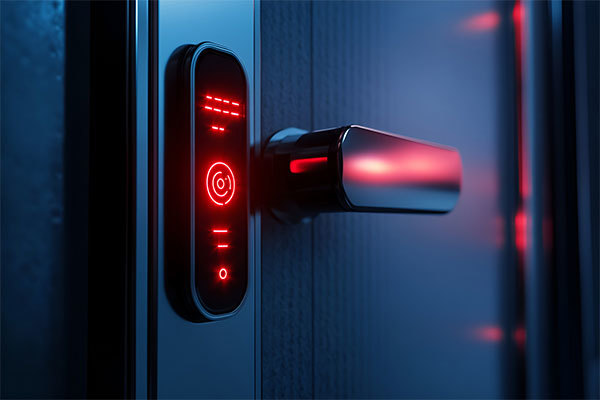
Smart locks represent the cutting-edge of hotel security. These locks can be accessed using smartphones or biometric data, providing a seamless experience for guests.
Advantages of Smart Locks
- **Convenience**: Guests can enter their rooms without physical keys.
- **Increased security**: Smart locks can be integrated with a hotel's overall security system.
How Inadequate Lock Systems Can Harm Your Reputation
The implications of poor lock systems extend beyond the realm of physical security; they can lead to significant reputational damage.
Negative Guest Experiences
A malfunctioning lock can lead to guests being locked out of their rooms or, worse, feeling unsafe. Such experiences often result in negative reviews online, which can deter potential guests.
The Impact of Reviews and Ratings
In the digital age, online reviews can make or break a hotel’s reputation. A survey indicates that **90% of travelers read online reviews** before booking accommodations. Negative feedback related to security can severely impact future bookings.
Best Practices for Maintaining Hotel Locks
Regular maintenance and timely upgrades to locking systems can help hotels maintain security and reputation.
Regular Inspections and Maintenance
Conduct regular inspections to ensure all locks are functioning correctly. Maintenance checks can help identify vulnerabilities before they become security breaches.
Upgrading Lock Systems
Investing in the latest technology is crucial. Upgrading to electronic or smart locks not only improves security but also enhances guest experience.
Case Studies: Hotels That Improved Their Reputation through Enhanced Security
Examining how other hotels have successfully implemented enhanced security measures can provide valuable insights.
Case Study 1: The Hilton Hotel Chain
Hilton recently upgraded its locking systems to smart locks across several properties. This move has reportedly led to a **20% increase** in positive reviews related to safety and security.
Case Study 2: Boutique Hotel Success Story
A boutique hotel in New York City faced backlash after several security breaches. By switching to electronic key card systems and investing in staff training, they turned their reputation around, leading to higher guest satisfaction ratings.
Cost-Benefit Analysis of Investing in Quality Locks
While the initial investment in advanced locking systems may seem high, the long-term benefits significantly outweigh the costs.
Long-Term Financial Benefits
Hotels that invest in quality locks often see a reduction in insurance premiums and liability claims. Additionally, enhanced security leads to increased occupancy rates.
Enhancing Guest Loyalty
Guests who feel secure are more likely to return and recommend your hotel to others, fostering loyalty that can lead to repeat business.
Conclusion
In summary, the security of hotel locks is a critical aspect that directly affects your property’s reputation. By understanding the importance of security systems, exploring various locking options, and implementing best practices, hotels can enhance guest satisfaction and build a strong reputation. Investing in high-quality locks not only ensures guest safety but also serves as a powerful marketing tool to attract future guests.
FAQs
1. What types of hotel locks are the most secure?
Electronic key card systems and smart locks are considered the most secure due to their advanced technology and tracking features.
2. How often should hotel locks be maintained?
Regular inspections should occur at least twice a year, with immediate repairs for any malfunctioning locks.
3. Do smart locks require special training for hotel staff?
Yes, staff training on how to operate and troubleshoot smart locks is essential for ensuring a smooth guest experience.
4. Can upgrading locks improve guest satisfaction?
Absolutely! Upgraded locks enhance security and contribute to a more seamless and enjoyable guest experience.
5. How can I encourage guests to leave positive reviews regarding security?
Ensure excellent security measures are in place and communicate these to guests during their stay. Happy and secure guests are more likely to leave positive reviews.
By applying the insights from this article, you can enhance your hotel's security measures, improve guest satisfaction, and build a solid reputation in the hospitality industry.
Related News

Lockai Obtains Official UL 294 Certification for Commercial Hotel Smart Lock Systems
Foshan Lockai professional hotel smart lock factory gains UL 294 certification. Our UL-certified hotel door locks meet North America commercial building safety codes, ideal for hotel, apartment and resort projects. Full OEM/ODM & one-stop hotel lock system solutions available.


Follow Lockai Lock Industry

Mobile Official Website
Lockai Lock Industry

Address: Building 10, Room 603, Optoelectronics Industrial Park, Leliu Street, Shunde District, Foshan City, Guangdong Province
Technical Support:China Enterprise Dynamics Shunde SEO Tags