
The Pros and Cons of Digital Locks for Metal Doors: A Comprehensive Guide
2026-01-18


The Pros and Cons of Digital Locks for Metal Doors: A Comprehensive Guide
Digital locks have revolutionized the way we secure our properties. As technology advances, more people are considering the transition from traditional locks to these modern locking systems, especially for metal doors. This article delves into the **pros and cons of digital locks** for metal doors, offering insights into the
The Pros and Cons of Digital Locks for Metal Doors: A Comprehensive Guide
Digital locks have revolutionized the way we secure our properties. As technology advances, more people are considering the transition from traditional locks to these modern locking systems, especially for metal doors. This article delves into the **pros and cons of digital locks** for metal doors, offering insights into their functionality, security features, and practical implications for both residential and commercial applications.
Table of Contents
- Understanding Digital Locks
- Advantages of Digital Locks for Metal Doors
- Enhanced Security Features
- Convenience and Ease of Use
- Connectivity and Integration with Smart Homes
- Potential Drawbacks of Digital Locks for Metal Doors
- Vulnerability to Hacking
- Battery Life and Power Issues
- Installation and Maintenance
- Making the Right Choice: Is a Digital Lock Right for You?
- Frequently Asked Questions
- Conclusion
Understanding Digital Locks
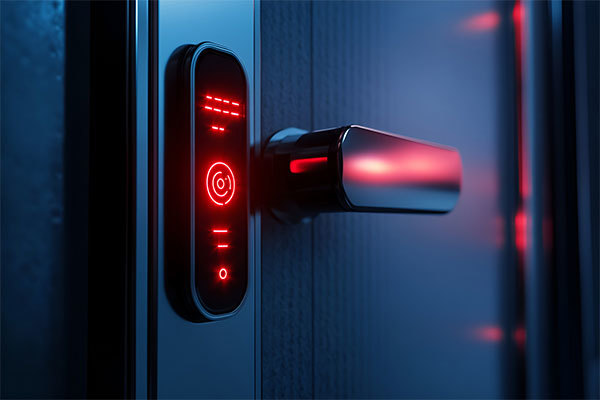
Digital locks, often referred to as smart locks, utilize electronic components to secure a door. They come in various forms, including keypad locks, biometric locks, and smart locks that connect to mobile applications. Unlike traditional locks that use physical keys, digital locks often rely on numerical codes, fingerprints, or smartphone applications for access. This shift towards digital locking mechanisms aligns with the growing emphasis on smart home technology and enhanced security measures in both residential and commercial sectors.
Advantages of Digital Locks for Metal Doors
Digital locks present numerous advantages, especially when installed on metal doors. Here are some key benefits:
Enhanced Security Features
One of the most significant perks of digital locks is their advanced security features. Many digital locks offer encryption technology, making it more challenging for intruders to bypass the system. Additionally, some models include features such as:
- **Audit Trails**: Monitor who accessed the lock and at what time, providing a record of entries that can enhance security.
- **Tamper Alerts**: Receive notifications if someone attempts to tamper with the lock.
- **Auto-locking Mechanisms**: Automatically secures the door after a set period, minimizing the chances of accidental leave-aways.
Convenience and Ease of Use
Digital locks eliminate the need to carry physical keys, which can be lost or forgotten. With a digital lock, homeowners can easily manage access:
- **Keyless Entry**: Enter using a numeric code or fingerprint, which is particularly advantageous for families with children who may struggle with physical keys.
- **Temporary Access**: Grant temporary access codes to guests or service personnel without needing to provide a physical key.
- **Remote Access**: Many smart locks allow for remote locking and unlocking via smartphone apps, offering unparalleled convenience.
Connectivity and Integration with Smart Homes
Digital locks can seamlessly integrate with other smart home devices, enhancing overall security and convenience. For instance, users can connect their locks to:
- **Smart Cameras**: Monitor live footage of who is at the door.
- **Home Automation Systems**: Create routines where the lock engages automatically when you leave home.
- **Voice Assistants**: Use voice commands to lock or unlock the door hands-free.
Potential Drawbacks of Digital Locks for Metal Doors
While digital locks offer many benefits, they are not without their drawbacks. Understanding these potential issues is crucial for making an informed decision.
Vulnerability to Hacking
Despite their advanced security features, digital locks can be vulnerable to hacking. Cybercriminals may exploit weak passwords or outdated firmware to gain unauthorized access. To mitigate this risk, it is essential to follow best practices:
- **Use Strong Passwords**: Choose complex and unique codes that combine letters, numbers, and special characters.
- **Regular Firmware Updates**: Stay on top of software updates to ensure your lock operates with the latest security patches.
- **Two-Factor Authentication**: Opt for locks that offer two-factor authentication for an extra layer of security.
Battery Life and Power Issues
Another potential drawback of digital locks is their reliance on battery power. Users may experience inconvenience if the batteries die unexpectedly. To manage this risk effectively, consider:
- **Regular Battery Checks**: Schedule periodic battery replacements to ensure your lock remains functional.
- **Backup Access Methods**: Many digital locks provide a mechanical key option, allowing access in case of battery failure.
- **Power Failure Protocol**: Familiarize yourself with the lock's procedures during power outages or battery depletion.
Installation and Maintenance
Installing digital locks can be more complex than traditional locks. Depending on the model, you may require professional installation or specific tools for setup. Additionally, maintenance practices differ from traditional locks. Here are some installation and maintenance tips:
- **Professional Installation**: Consider hiring a skilled locksmith to ensure proper installation, especially for complex smart locks.
- **Regular Cleaning**: Keep the lock’s keypad or scanning area clean to ensure optimal performance.
- **Follow Manufacturer Guidelines**: Each digital lock may have unique maintenance requirements, so consult the manual for best practices.
Making the Right Choice: Is a Digital Lock Right for You?
Deciding whether to install a digital lock on your metal door involves weighing the benefits against the potential drawbacks. Assess your specific needs, property type, and security concerns. Ask yourself the following questions:
- **What level of security do you require?** If enhanced security is a top priority, the advanced features of digital locks may be beneficial.
- **How comfortable are you with technology?** Users who are tech-savvy may find digital locks more convenient, while those who prefer simplicity might lean towards traditional locks.
- **Can you manage battery maintenance?** If you can commit to regular checks and maintenance, a digital lock could be a suitable choice.
Ultimately, the decision should align with your lifestyle and security preferences.
Frequently Asked Questions
1. Are digital locks easy to install on metal doors?
Digital locks can be installed on metal doors, but the complexity depends on the specific model. Some may require professional installation, while others are designed for straightforward DIY installation.
2. How do I reset my digital lock if I forget the code?
Most digital locks come with a reset button or a specific procedure to follow. Refer to the owner’s manual for detailed instructions on how to reset your lock.
3. Do digital locks work during power outages?
Many digital locks operate on battery power and will continue to function during power outages. However, it’s crucial to ensure the batteries are adequately charged and consider backup access methods.
4. Can I access my digital lock remotely?
If your digital lock is a smart lock, it may come with a mobile application that allows remote access. This feature enables you to lock or unlock your door from anywhere, as long as you have internet connectivity.
5. How secure are digital locks compared to traditional locks?
Digital locks often provide enhanced security features, such as encryption and audit trails. However, their vulnerability to hacking means that strong passwords and regular updates are essential for optimal security.
Conclusion
Digital locks for metal doors present a modern solution to security and access control. While they offer numerous advantages, including enhanced security features, convenience, and smart home integration, potential drawbacks such as vulnerability to hacking and battery reliance should be considered. By weighing the pros and cons, evaluating your specific needs, and following best practices for installation and maintenance, you can make an informed decision that best suits your property. Embracing digital locks could very well elevate your security measures while providing an unmatched level of convenience in today’s fast-paced world.
Related News

Lockai Obtains Official UL 294 Certification for Commercial Hotel Smart Lock Systems
Foshan Lockai professional hotel smart lock factory gains UL 294 certification. Our UL-certified hotel door locks meet North America commercial building safety codes, ideal for hotel, apartment and resort projects. Full OEM/ODM & one-stop hotel lock system solutions available.

Follow Lockai Lock Industry

Mobile Official Website
Lockai Lock Industry

Address: Building 10, Room 603, Optoelectronics Industrial Park, Leliu Street, Shunde District, Foshan City, Guangdong Province
Technical Support:China Enterprise Dynamics Shunde SEO Tags