
How Smart Electronic Deadbolts Integrate with Home Automation Systems: The Future of Home Security
2026-01-12


How Smart Electronic Deadbolts Integrate with Home Automation Systems
Introduction to Smart Electronic Deadbolts
In the era of technology, home security has evolved significantly. Traditional locks are being replaced by **smart electronic deadbolts**, which not only enhance security but also offer convenience and integration with home automation systems. These advanced locking mechanisms provide u
How Smart Electronic Deadbolts Integrate with Home Automation Systems
Introduction to Smart Electronic Deadbolts
In the era of technology, home security has evolved significantly. Traditional locks are being replaced by **smart electronic deadbolts**, which not only enhance security but also offer convenience and integration with home automation systems. These advanced locking mechanisms provide users with improved control over their home security, allowing them to monitor access remotely, set schedules, and receive alerts.
The Rise of Home Automation Systems
Home automation is a growing trend that enables homeowners to control various aspects of their homes through a centralized system, typically via smartphones or voice commands. This system can include lighting, heating, security cameras, and of course, smart locks. The integration of smart electronic deadbolts into these systems plays a crucial role in enhancing overall security and convenience.
Understanding Smart Electronic Deadbolts
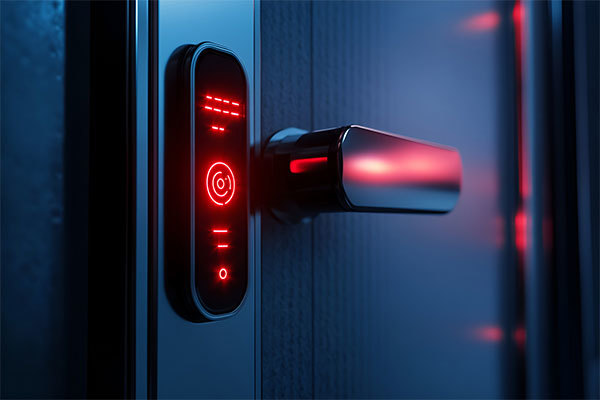
Smart electronic deadbolts are locks operated electronically rather than mechanically. They can be controlled via a smartphone app, keypad, or even biometric data like fingerprints. These locks come equipped with various features that enhance both security and user experience.
Key Features of Smart Electronic Deadbolts
1. **Keyless Entry**: One of the most attractive features of smart deadbolts is keyless entry. Users can unlock their doors using their smartphones, eliminating the need for physical keys which can be lost or stolen.
2. **Remote Access**: Homeowners can lock or unlock their doors from anywhere in the world, providing peace of mind when away from home.
3. **User Access Management**: Users can create, modify, or revoke access for family members or guests, making it easy to manage who can enter the home.
4. **Integration with Other Smart Devices**: Smart deadbolts can seamlessly integrate with other home automation devices, creating a comprehensive security system.
5. **Alerts and Notifications**: Receive real-time alerts when someone enters or exits the home, enhancing security measures.
Integrating Smart Electronic Deadbolts with Home Automation Systems
The integration of smart electronic deadbolts with home automation systems can significantly enhance home security and convenience. Here’s how this integration works:
1. Centralized Control Hub
Most home automation systems include a centralized hub or app that connects various smart devices. By integrating smart deadbolts into this hub, users gain complete control over their home security from a single interface.
2. Automation and Scheduling
Homeowners can set schedules for their smart locks. For example, you can program the lock to automatically engage at night or when you leave for work. This adds another layer of convenience and security.
3. Voice Control Integration
Many smart locks are compatible with voice-activated assistants like Amazon Alexa or Google Assistant. This means users can lock or unlock doors using simple voice commands, providing hands-free control.
4. Enhanced Security Features
Integrating smart deadbolts with home security cameras and alarm systems can provide enhanced protection. For example, if the security camera detects unusual activity, it can trigger the lock to secure the doors automatically.
Benefits of Smart Electronic Deadbolts in Home Automation
The incorporation of smart electronic deadbolts into home automation systems offers numerous benefits:
1. Increased Security
With features like remote monitoring and alerts, homeowners can keep a close eye on their property. The ability to lock or unlock doors remotely adds an extra layer of safety.
2. Convenience and Control
Gone are the days of fumbling for keys. With smart deadbolts, users can control access to their homes with a smartphone or voice command.
3. Energy Efficiency
Some smart locks can integrate with smart home energy systems, allowing users to manage their energy consumption more effectively. For instance, locking the door could signal the HVAC system to adjust or turn off.
4. Customizable Access
Homeowners can set temporary access codes for guests, service personnel, or delivery drivers, which can be easily adjusted or revoked, providing flexibility and control over who can enter the home.
Challenges and Considerations
While smart electronic deadbolts offer many advantages, there are some challenges and considerations to keep in mind:
1. Dependence on Technology
Smart locks rely heavily on technology, meaning they can be vulnerable to hacking or technical malfunctions. Ensuring robust cybersecurity measures are in place is crucial.
2. Battery Life and Maintenance
Most smart deadbolts operate on batteries, which means regular maintenance and checks are necessary to avoid being locked out due to dead batteries.
3. Compatibility Issues
Not all smart locks are compatible with every home automation system. It’s essential to ensure that the selected lock will integrate smoothly with existing devices.
The Future of Smart Electronic Deadbolts and Home Automation
As technology continues to advance, the future of smart electronic deadbolts looks promising. We can expect:
1. Advanced Biometric Security
The use of biometrics, such as facial recognition and advanced fingerprint scanning, will likely become more prevalent, offering enhanced security.
2. AI and Machine Learning Integration
Smart locks may use AI to learn user patterns, making access control more intuitive and efficient.
3. Increased Interconnectivity
Future smart locks are expected to have even more robust integration with a wider range of home automation devices, creating a seamless and intelligent home security ecosystem.
FAQs About Smart Electronic Deadbolts and Home Automation
1. What is the difference between a traditional deadbolt and a smart electronic deadbolt?
Traditional deadbolts require a physical key for entry, while smart electronic deadbolts can be controlled remotely via smartphones or keypads.
2. How secure are smart electronic deadbolts?
Smart electronic deadbolts often feature advanced encryption and are designed to resist tampering. However, security depends on the implementation and cybersecurity measures in place.
3. Can I control my smart lock without the internet?
Most smart locks require an internet connection for remote access. However, some models allow local control via a keypad or Bluetooth.
4. What happens if the battery of my smart deadbolt dies?
Most smart deadbolts have backup key options or low-battery notifications to prevent lockouts. Some may also allow you to power the lock temporarily with a 9V battery.
5. Are smart electronic deadbolts compatible with existing home automation systems?
Compatibility varies by brand and model, so it’s important to check specifications to ensure integration with your current home automation setup.
Conclusion
The integration of **smart electronic deadbolts** with home automation systems represents a significant leap forward in home security technology. Not only do they provide enhanced security and convenience, but they also offer a level of control that traditional locks simply cannot match. As technology continues to evolve, the features and capabilities of smart locks will likely expand, making them an essential component of modern home security solutions. Embracing this technology can lead to a more secure, efficient, and convenient living environment.
Related News

Lockai Obtains Official UL 294 Certification for Commercial Hotel Smart Lock Systems
Foshan Lockai professional hotel smart lock factory gains UL 294 certification. Our UL-certified hotel door locks meet North America commercial building safety codes, ideal for hotel, apartment and resort projects. Full OEM/ODM & one-stop hotel lock system solutions available.

Follow Lockai Lock Industry

Mobile Official Website
Lockai Lock Industry

Address: Building 10, Room 603, Optoelectronics Industrial Park, Leliu Street, Shunde District, Foshan City, Guangdong Province
Technical Support:China Enterprise Dynamics Shunde SEO Tags