
Choosing the Right Hotel Door Lock for Your Property: A Comprehensive Guide
2025-11-27


Choosing the Right Hotel Door Lock for Your Property: A Comprehensive Guide
Table of Contents
1. Understanding Hotel Security Needs
2. Types of Door Locks for Hotels
2.1 Traditional Key Locks
2.2 Electronic Key Card Systems
2.3 Smart Locks and Mobile Access
3. Factors to Consider When Choosing Door Locks
3.1 Level of Security
3.2 Guest Convenience
3.3 Maintenance and Durability
3.4 Integration wit
Choosing the Right Hotel Door Lock for Your Property: A Comprehensive Guide
Table of Contents
1. Understanding Hotel Security Needs
2. Types of Door Locks for Hotels
2.1 Traditional Key Locks
2.2 Electronic Key Card Systems
2.3 Smart Locks and Mobile Access
3. Factors to Consider When Choosing Door Locks
3.1 Level of Security
3.2 Guest Convenience
3.3 Maintenance and Durability
3.4 Integration with Existing Systems
4. The Importance of Access Control Systems
5. Balancing Cost and Quality
6. Installation and Maintenance Best Practices
7. Frequently Asked Questions (FAQs)
8. Conclusion
1. Understanding Hotel Security Needs
In the hospitality industry, security is paramount. As hoteliers, we recognize that our guests’ safety is our responsibility. Choosing the right hotel door lock system is critical not only for ensuring guest safety but also for protecting assets and maintaining a secure environment. This section outlines the essential factors influencing hotel security needs.
Security concerns for hotels differ significantly from residential properties. Hotels often experience a high turnover of guests, making it essential to have a locking system that provides flexibility and advanced security features. Understanding the unique challenges faced by hotels, such as the need for quick access, guest privacy, and emergency protocols, will guide us in selecting the most suitable door locks.
2. Types of Door Locks for Hotels
When it comes to hotel door locks, various types are available, each offering distinct advantages and disadvantages. Understanding these types will help in making an informed decision.
2.1 Traditional Key Locks
Traditional key locks are still prevalent in many hotels. They are typically mechanical locks that require physical keys for operation. While they are simple to use and relatively inexpensive, traditional locks have limitations, such as the inability to change access easily. Misplaced keys can also pose a significant security risk, necessitating rekeying or lock replacement.
2.2 Electronic Key Card Systems
Electronic key card systems have gained popularity due to their enhanced security features. These systems utilize magnetic stripe cards or RFID technology, allowing guests to unlock their doors with a card instead of a traditional key. Access can be easily revoked, and the system can track entry and exit, providing a detailed log of door access. Electronic key card systems also offer greater convenience for guests and staff.
2.3 Smart Locks and Mobile Access
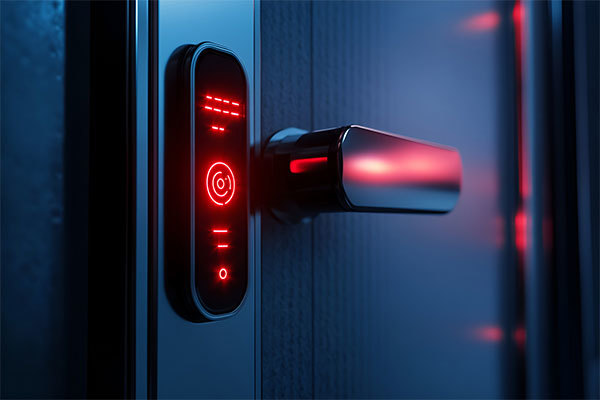
Smart locks are at the forefront of hotel security technology. These locks can be accessed via smartphones or other mobile devices using Bluetooth or Wi-Fi connectivity. They often come with features like remote access management, automatic locking, and integration with other smart building systems. Smart locks enhance guest experience by allowing for seamless check-in processes and customized access.
3. Factors to Consider When Choosing Door Locks
Selecting the right door lock for your hotel involves a careful evaluation of several factors. Here are some key considerations to keep in mind:
3.1 Level of Security
The primary purpose of any door lock is to provide security. Assess the level of security each type of lock offers. Look for features such as robust construction, resistance to tampering, and the ability to withstand harsh weather conditions. Consider investing in locks that meet recognized security standards, such as UL 437 or BHMA certification.
3.2 Guest Convenience
Guest experience is crucial in the hospitality industry. Choose locks that are easy to operate and minimize wait times during check-in and check-out. Electronic and smart locks provide convenience through keyless entry, while traditional locks may require guests to manage physical keys.
3.3 Maintenance and Durability
The durability of door locks is essential for long-term use. Opt for locks made from high-quality materials that can withstand daily wear and tear. Regular maintenance is also necessary; therefore, choose locks that have a reputation for reliability and require minimal upkeep.
3.4 Integration with Existing Systems
Consider how well the new locking system integrates with your hotel’s existing infrastructure. A locking system that can seamlessly connect with your property management system (PMS), access control systems, and other technologies will streamline operations and improve guest service.
4. The Importance of Access Control Systems
Access control systems play a vital role in hotel security. By implementing a comprehensive access control strategy, hotels can manage who enters specific areas of the property. This is particularly important for sensitive areas such as management offices, storage rooms, and staff-only zones.
Access control systems allow for customizable permissions, enabling specific access based on the individual's role and responsibilities. Additionally, should a security incident occur, these systems can provide detailed logs, offering valuable insight into who accessed certain areas and when.
5. Balancing Cost and Quality
When selecting door locks, a balance between cost and quality is essential. While it's tempting to opt for the cheapest option available, investing in quality locks can save money in the long run by reducing replacement costs and minimizing security breaches. Evaluate the total cost of ownership, including installation, maintenance, and potential loss due to theft or damage.
Consider obtaining quotes from multiple suppliers, comparing features, warranties, and after-sales support. Prioritize investing in locks that enhance security and improve the guest experience, as these factors significantly impact guest satisfaction and loyalty.
6. Installation and Maintenance Best Practices
Proper installation and maintenance of door locks are crucial for optimal performance. To ensure smooth operation, follow these best practices:
- **Hire Qualified Professionals:** Engage experienced technicians for installation to ensure that all components are correctly fitted and secured.
- **Regular Maintenance Checks:** Schedule periodic maintenance inspections to identify any issues before they escalate. Regular checks can include testing locks, lubricating mechanisms, and ensuring electronic systems are up to date.
- **Educate Staff:** Train hotel staff on how to operate the locking systems effectively and how to handle any malfunctions. Empowering staff with knowledge will help maintain security and enhance guest experience.
7. Frequently Asked Questions (FAQs)
1. What are the most secure types of hotel door locks?
The most secure types of hotel door locks are typically electronic key card systems and smart locks, which offer advanced security features like tracking and remote access management.
2. How often should hotel door locks be replaced?
While there is no set timeline for replacing door locks, we recommend evaluating locks every five to seven years, or sooner if they show signs of wear or if security protocols change.
3. Can I upgrade my traditional locks to smart locks?
Yes, many smart locks are designed to replace traditional locks without extensive modifications. Ensure that the new locks are compatible with your existing door frames.
4. How do electronic key cards work?
Electronic key cards use magnetic strips or RFID technology to enable access. When a guest inserts or taps their card on the lock, the system verifies their access rights and unlocks the door.
5. What should I do if a guest loses their key card?
If a guest loses their key card, immediately deactivate the lost card in your system to prevent unauthorized access. Then, issue a replacement card using your electronic locking system.
8. Conclusion
Choosing the right hotel door lock is a crucial decision that impacts security, guest experience, and operational efficiency. By carefully considering the types of locks available, evaluating security needs, and understanding the importance of maintenance and integration, you can select the best locking system for your property. Investing in quality locks not only safeguards your hotel and its assets but also enhances the overall experience for your guests, building trust and loyalty that can lead to repeat business and positive reviews. As the hospitality landscape continues to evolve, staying updated on new locking technologies will help ensure that your property remains secure and competitive.
Related News

Lockai Obtains Official UL 294 Certification for Commercial Hotel Smart Lock Systems
Foshan Lockai professional hotel smart lock factory gains UL 294 certification. Our UL-certified hotel door locks meet North America commercial building safety codes, ideal for hotel, apartment and resort projects. Full OEM/ODM & one-stop hotel lock system solutions available.


Follow Lockai Lock Industry

Mobile Official Website
Lockai Lock Industry

Address: Building 10, Room 603, Optoelectronics Industrial Park, Leliu Street, Shunde District, Foshan City, Guangdong Province
Technical Support:China Enterprise Dynamics Shunde SEO Tags