
Innovative Hotel Locks: Ensuring Your Guests' Safety with Cutting-Edge Technology
2025-11-06


Innovative Hotel Locks: Ensuring Your Guests' Safety with Cutting-Edge Technology
Table of Contents
1. Introduction to Hotel Safety Innovations
2. The Importance of Security in the Hospitality Industry
3. Types of Hotel Locks: Finding the Right Fit
3.1 Traditional Key Locks
3.2 Electronic Locks
3.3 Smart Locks: The Future
Innovative Hotel Locks: Ensuring Your Guests' Safety with Cutting-Edge Technology
Table of Contents
- 1. Introduction to Hotel Safety Innovations
- 2. The Importance of Security in the Hospitality Industry
- 3. Types of Hotel Locks: Finding the Right Fit
- 4. Key Features of Modern Hotel Locks
- 5. Benefits of Using Innovative Hotel Locks
- 6. Implementing Security Measures in Hotels
- 7. Case Studies: Successful Implementation of Advanced Lock Systems
- 8. FAQ Section: Your Questions Answered
- 9. Conclusion: The Future of Guest Safety
1. Introduction to Hotel Safety Innovations
In the competitive landscape of the hospitality industry, ensuring the safety and security of guests is paramount. Innovative hotel locks are transforming the way hotels approach guest safety, utilizing advanced technologies to enhance security measures. In this article, we will delve into the various types of hotel locks, their unique features, and the undeniable benefits they offer to both hotel operators and guests alike.
2. The Importance of Security in the Hospitality Industry
The significance of security in hotels cannot be overstated. Guests expect a safe environment, and their confidence in a hotel’s security measures influences their decision to choose a particular establishment. With increasing concerns about theft and unauthorized access, hotels must adopt robust security systems that not only protect guests but also safeguard the hotel’s assets and reputation. By investing in innovative locking technologies, hotels can create a safe haven where guests feel comfortable and secure.
3. Types of Hotel Locks: Finding the Right Fit
When it comes to hotel locks, there are several options available, each catering to different needs and preferences. Understanding the types of locks can help hotel managers make informed decisions about which system to implement.
3.1 Traditional Key Locks
Traditional key locks have been a staple in the hotel industry for decades. These locks operate using a physical key, providing a straightforward solution for access control. While they are reliable, traditional locks pose challenges such as key loss and duplication, which can compromise security.
3.2 Electronic Locks
Electronic locks are a significant advancement over traditional systems. These locks utilize keycards, fobs, or codes for access, reducing the risks associated with physical keys. Electronic locks allow for easier management of access, as hotel staff can deactivate lost or stolen cards instantly. Some electronic locks even come equipped with audit trails, allowing hotels to monitor access history.
3.3 Smart Locks: The Future of Security
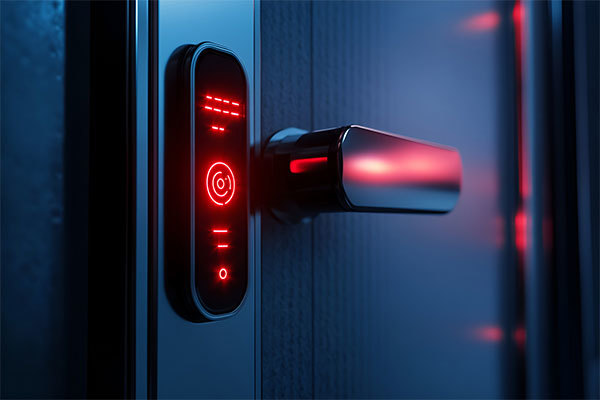
Smart locks represent the forefront of hotel security technology. These locks can be controlled remotely via smartphones or other devices, offering unprecedented convenience to both hotel staff and guests. Smart locks may also incorporate biometric features, such as fingerprint recognition, enhancing security measures. With the ability to integrate with other hotel management systems, smart locks provide a seamless experience for guests while ensuring maximum security.
4. Key Features of Modern Hotel Locks
Modern hotel locks come equipped with a variety of features designed to enhance security and convenience. Understanding these features can help hotel managers select the most suitable systems for their establishments.
4.1 Remote Access Control
The ability to control locking systems remotely is one of the most significant advantages of modern hotel locks. Managers can grant or revoke access to specific rooms at any time, ensuring that only authorized personnel can enter. This feature is particularly beneficial during emergencies or when guests check out.
4.2 Time-Limited Access
Time-limited access is an essential feature for hotels, allowing staff to grant access to service personnel or maintenance workers without compromising the security of the guests. This feature enables hotels to set specific access times, ensuring that only those with permission can enter rooms during designated hours.
4.3 Audit Trails and Reporting
Modern locking systems can generate detailed reports on access attempts, providing invaluable insights into patterns and potential security threats. Audit trails allow hotel management to monitor who accessed which rooms and when, helping to identify any suspicious activity.
5. Benefits of Using Innovative Hotel Locks
Investing in innovative locking systems brings multiple benefits to hotels, enhancing security, streamlining operations, and improving guest satisfaction.
5.1 Enhanced Security
The primary benefit of modern hotel locks is significantly enhanced security. With advanced features such as encryption, biometrics, and remote access control, hotels can better protect their guests and assets from unauthorized access.
5.2 Increased Guest Satisfaction
Guests appreciate the convenience and peace of mind that come with innovative locking systems. Features such as mobile access and keyless entry streamline the check-in process and provide a hassle-free experience, contributing to higher satisfaction rates among guests.
5.3 Cost-Effectiveness
While the initial investment in advanced locking systems may be higher than traditional locks, the long-term savings can be substantial. Reduced costs associated with key duplication, theft, and lost keys, along with improved energy efficiency from electronic systems, make innovative hotel locks a cost-effective choice.
6. Implementing Security Measures in Hotels
Successfully implementing innovative hotel locks involves careful planning and execution. Here are some steps to ensure a smooth transition:
6.1 Assessing Security Needs
Conduct a comprehensive assessment of your hotel’s security needs. Analyze existing vulnerabilities and determine the features necessary to enhance safety measures.
6.2 Choosing the Right System
Research various locking systems and select the one that best aligns with your hotel’s needs and budget. Consider factors such as scalability, ease of use, and compatibility with existing infrastructure.
6.3 Staff Training
Proper training is essential for hotel staff to effectively manage new locking systems. Providing comprehensive training on security protocols and lock management ensures that staff can respond to incidents swiftly and efficiently.
7. Case Studies: Successful Implementation of Advanced Lock Systems
To illustrate the effectiveness of innovative hotel locks, let’s explore a few case studies showcasing successful implementation.
7.1 Case Study: The Luxury Inn
The Luxury Inn upgraded to a state-of-the-art smart lock system that allowed guests to access their rooms via a mobile app. The transition resulted in a 30% reduction in check-in times and a notable increase in guest satisfaction ratings.
7.2 Case Study: City Center Hotel
City Center Hotel implemented electronic locks with audit trails. By utilizing these locks, the hotel minimized instances of unauthorized access and improved its overall security profile, leading to increased guest trust and repeat bookings.
8. FAQ Section: Your Questions Answered
8.1 What are the most secure types of hotel locks?
Smart locks and electronic locks are generally considered the most secure due to their advanced features, such as encryption and remote access.
8.2 How can I ensure my hotel’s locking system is user-friendly?
Choosing a system that offers intuitive interfaces and comprehensive training for staff can enhance user-friendliness.
8.3 Are electronic locks more expensive than traditional locks?
While electronic locks may have a higher upfront cost, they can be more cost-effective in the long run due to reduced maintenance and operational costs.
8.4 Can I integrate new locks with existing hotel management systems?
Many modern locking systems are designed to integrate seamlessly with existing hotel management software, allowing for streamlined operations.
8.5 How often should hotel locks be maintained or upgraded?
Regular maintenance should be performed at least annually, while upgrades should be considered every five to seven years to keep up with technological advancements.
9. Conclusion: The Future of Guest Safety
Innovative hotel locks are revolutionizing the hospitality industry by prioritizing guest safety and enhancing operational efficiency. By understanding the types of locks available, their features, and the benefits they provide, hotel operators can make informed decisions that align with their security goals. As technology continues to evolve, so will the methods of securing hotel environments, ensuring that guests always feel safe and secure during their stay. Investing in advanced locking systems is no longer an option but a necessity for forward-thinking hotels committed to providing an exceptional guest experience.
Related News

Lockai Obtains Official UL 294 Certification for Commercial Hotel Smart Lock Systems
Foshan Lockai professional hotel smart lock factory gains UL 294 certification. Our UL-certified hotel door locks meet North America commercial building safety codes, ideal for hotel, apartment and resort projects. Full OEM/ODM & one-stop hotel lock system solutions available.


Follow Lockai Lock Industry

Mobile Official Website
Lockai Lock Industry

Address: Building 10, Room 603, Optoelectronics Industrial Park, Leliu Street, Shunde District, Foshan City, Guangdong Province
Technical Support:China Enterprise Dynamics Shunde SEO Tags