
Smart Digital Locks for Residential Doors: Redefining Home Security
2025-12-29


In the era of smart homes, traditional locks are rapidly being replaced by digital alternatives that offer enhanced security, convenience, and connectivity. Among these innovations, smart digital locks for residential doors have emerged as a transformative solution for homeowners. These locks leverage advanced technology to provide secure access, remote management, and real-time monitoring, meeting the growing demand for smarter and safer living environments.
What is a Smart Digital Lock?
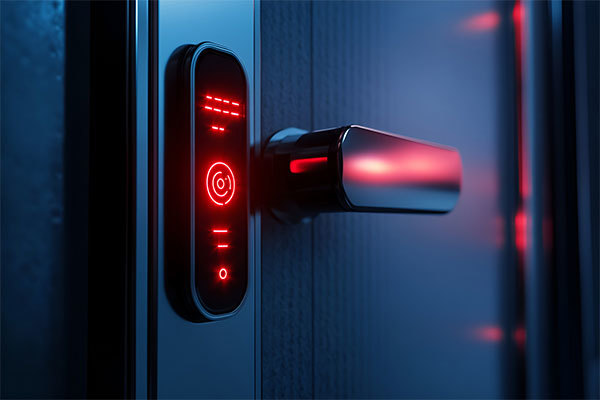
A smart digital lock is an electronic locking device designed to secure residential doors without relying solely on traditional mechanical keys. These locks can be operated via multiple methods, including PIN codes, RFID cards, biometric recognition (fingerprint or facial scanning), smartphone apps, or key fobs. Many models also integrate with home automation systems, allowing homeowners to control access remotely and receive notifications whenever someone enters or exits the property.
Key Features of Smart Digital Locks for Residential Doors
Enhanced Security
Smart digital locks provide superior security compared to conventional locks. Advanced encryption technology ensures that access codes and biometric data are protected from hacking. Many locks also include tamper alarms and auto-lock features, reducing the risk of unauthorized entry.
Multiple Access Methods
Homeowners can choose from a variety of access options based on convenience and preference. Fingerprint recognition offers quick and reliable entry, while PIN codes and RFID cards provide flexible access for family members or guests. Smartphone apps enable remote unlocking and temporary access codes for visitors or service personnel.
Remote Monitoring and Management
Smart locks can be connected to Wi-Fi or Bluetooth, allowing homeowners to monitor door activity in real-time. Mobile applications provide instant alerts, such as when the door is left unlocked or when an unauthorized entry attempt occurs. This remote capability ensures peace of mind, whether at home or away.
Integration with Smart Home Systems
Many digital locks can be integrated with home automation systems, enabling seamless interaction with security cameras, motion sensors, and lighting systems. For example, unlocking the door can trigger indoor lights to turn on or disarm security alarms automatically. This integration enhances overall home security and convenience.
Ease of Installation and Maintenance
Modern smart digital locks are designed for easy installation on standard residential doors, often requiring minimal tools. Battery-powered models eliminate the need for complex wiring, and low-battery alerts ensure that the lock remains functional without unexpected downtime.
Applications in Residential Settings
Family Homes
Smart locks are ideal for family residences, offering secure access for multiple family members while enabling temporary codes for guests or service providers.
Rental Properties
For short-term rental owners, smart locks allow property access without physical keys. Temporary codes can be generated for each guest, simplifying property management and improving security.
Apartments and Condominiums
High-density residential buildings benefit from smart digital locks by enhancing overall building security and providing residents with convenient access management features.
Technological Innovations in Smart Digital Locks
Recent advancements in smart digital lock technology include AI-based facial recognition, two-factor authentication, and integration with blockchain for secure access logging. Voice-controlled locks and compatibility with virtual assistants like Amazon Alexa or Google Assistant are becoming increasingly common. These innovations make locks not only secure but also highly user-friendly.
Market Trends and Consumer Adoption
The market for smart digital locks is expanding rapidly, driven by rising consumer awareness of home security and the growing adoption of smart home technologies. Affordability, convenience, and integration with other smart devices are key factors contributing to their popularity. Manufacturers are focusing on producing durable, stylish, and technologically advanced locks to meet the demands of modern homeowners.
Challenges and Considerations
While smart digital locks offer numerous benefits, potential users should consider cybersecurity risks, battery dependency, and compatibility with existing doors. Selecting a reputable brand and following manufacturer guidelines for installation and software updates are essential for maximizing security and reliability.
Conclusion: The Future of Residential Security
Smart digital locks for residential doors represent a significant leap forward in home security, combining convenience, connectivity, and advanced protection. By integrating with modern smart home ecosystems, these locks provide homeowners with greater control, peace of mind, and flexibility in managing access. As technology continues to evolve, smart locks are expected to become standard in residential settings, offering a secure, efficient, and intelligent solution for home entry management.
Related News

Lockai Obtains Official UL 294 Certification for Commercial Hotel Smart Lock Systems

Follow Lockai Lock Industry

Mobile Official Website
Lockai Lock Industry

Address: Building 10, Room 603, Optoelectronics Industrial Park, Leliu Street, Shunde District, Foshan City, Guangdong Province
Technical Support:China Enterprise Dynamics Shunde SEO Tags